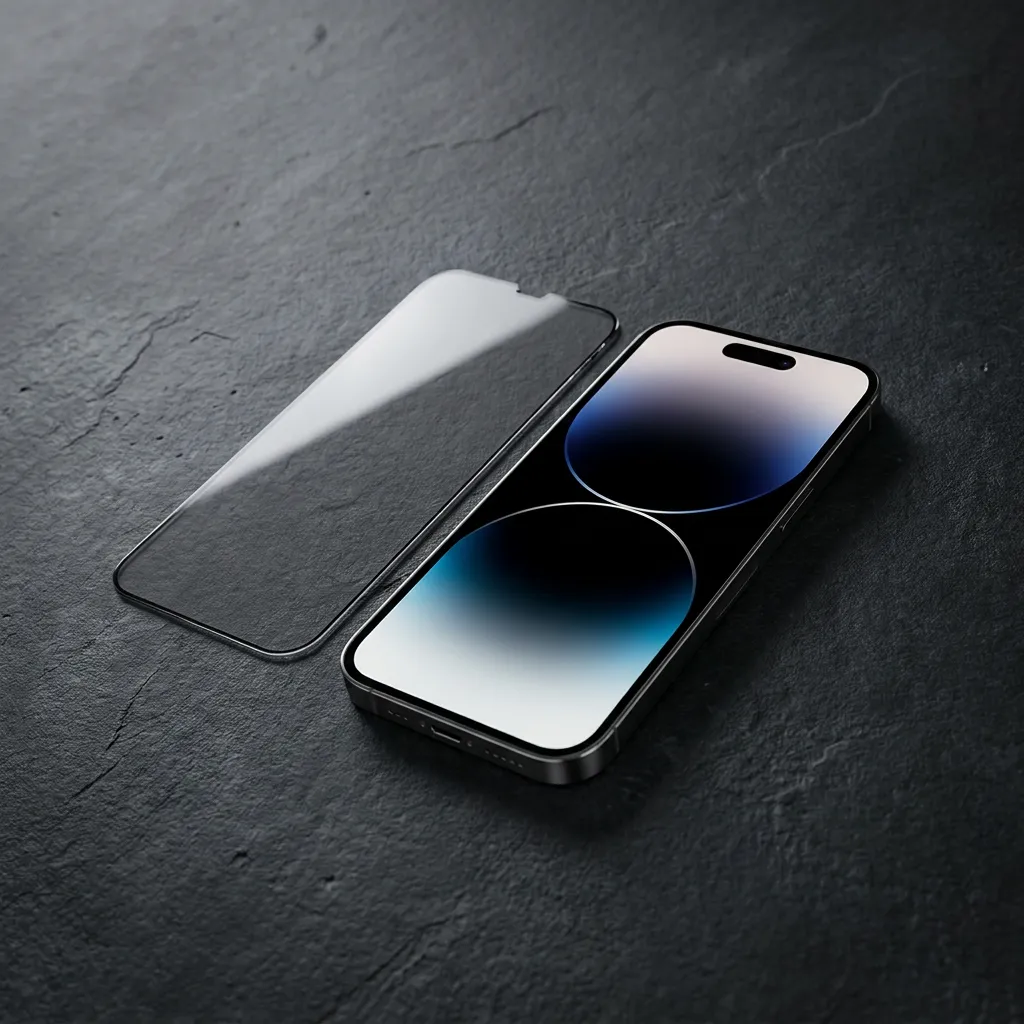
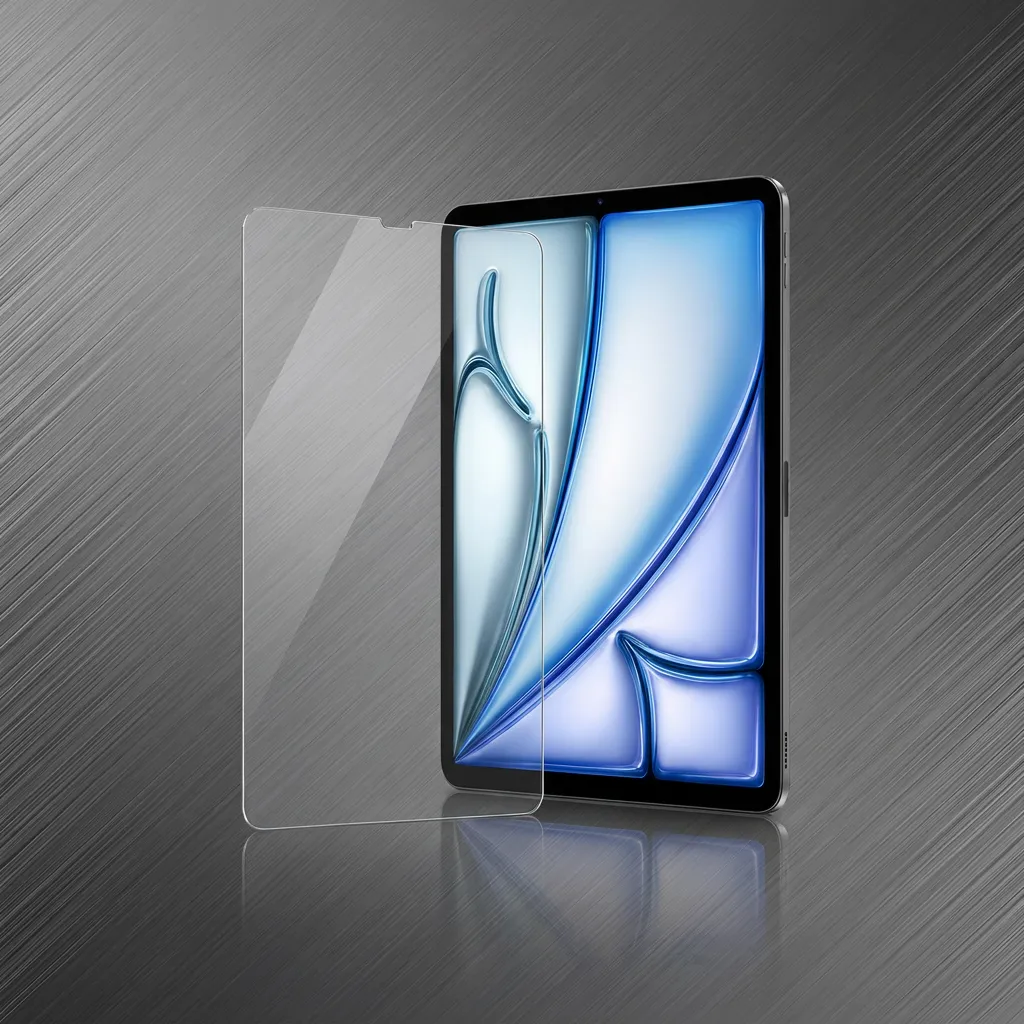
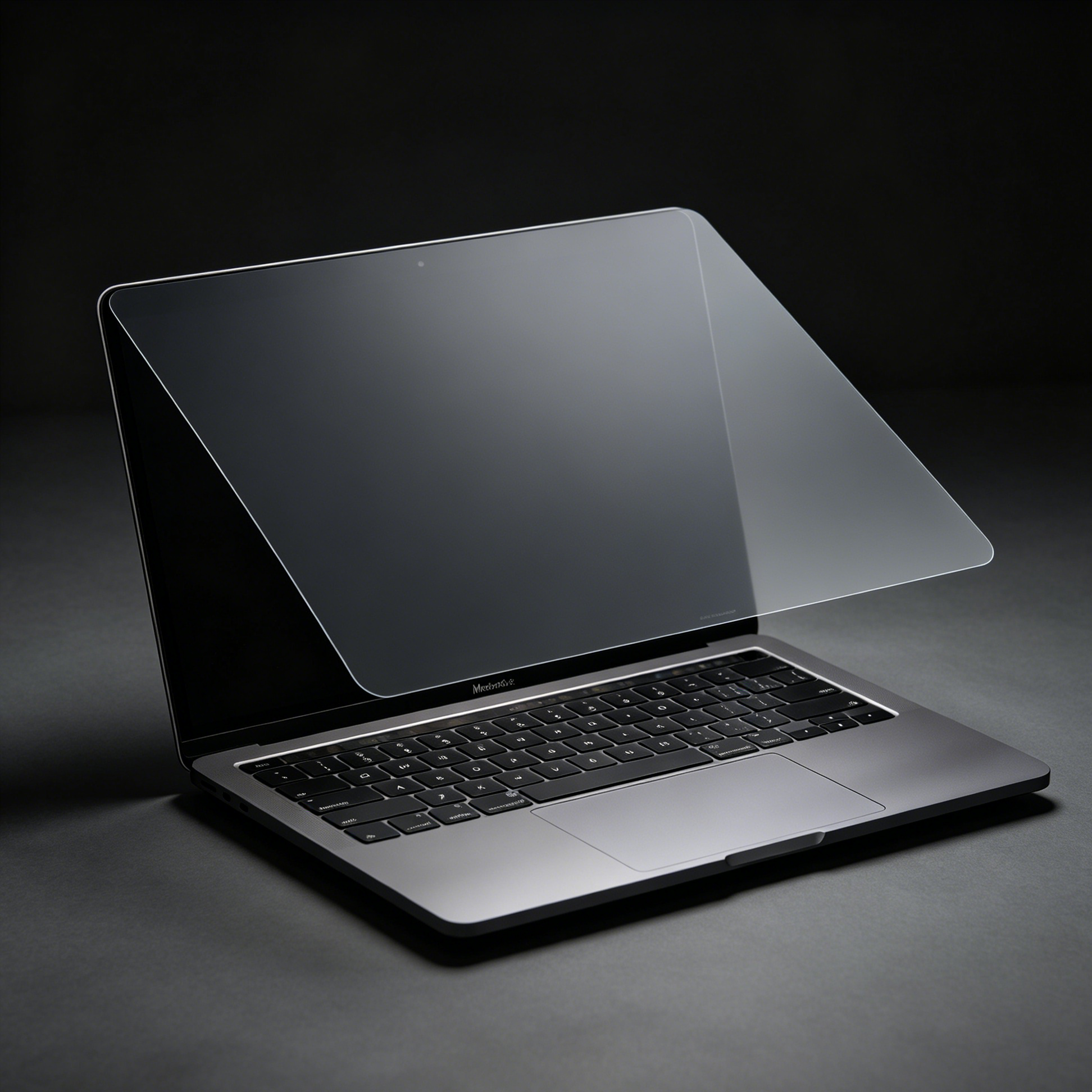

Anti-Reflective Technology
AR Glass vs Matte Film
Why More Professional Designers Are Choosing Optical AR Films
For many designers, photographers, and professionals who spend long hours in front of screens, a screen protector is no longer just an accessory.
It directly affects:
- Color accuracy
- Display clarity
- Outdoor visibility
- Long-term visual comfort
But for everyday users, the problems are even more practical:
- Why is my screen hard to see in a coffee shop?
- Why is glare so strong outdoors?
- Why can people next to me see my screen?
- Why do my eyes feel tired after long use?
In most cases, the real issue comes down to one thing:
screen reflections.
That’s why AR anti-reflective films and matte screen protectors are often compared.
What Is a Matte Screen Protector?
A matte screen protector reduces reflections by using a textured surface that scatters incoming light.
At first glance, it feels like a clear improvement:
- Reduced glare in bright environments
- More comfortable in offices and coffee shops
- Better usability outdoors
- Less fingerprint visibility
It is especially popular among iPad users for writing and drawing.
Advantages of Matte Film
- Strong anti-glare performance
- Fingerprint and oil resistance
- Paper-like writing feel
- Reduced surface reflections
But There Are Trade-offs
Because light is diffused, it also affects display quality:
- Reduced sharpness
- Visible grain texture
- Lower color accuracy
- Slightly grayish whites
- Increased visual fatigue over time
For users working in visual-heavy fields like:
- Photo editing
- UI/UX design
- Video editing
this change becomes very noticeable.
Many users eventually realize:
“The glare is reduced, but the screen doesn’t look original anymore.”
What Is an AR Anti-Reflective Screen Protector?
AR stands for Anti-Reflective.
Unlike matte films, AR technology does not rely on surface roughness.
Instead, it uses optical coating technology to reduce reflection at the glass level.
In simple terms:
It reduces reflections without blurring the display.
Key Benefits of AR Films
- Higher display clarity
- More accurate colors
- Better brightness retention
- Improved outdoor readability
- More natural viewing experience
This is why AR optical films are increasingly preferred by professionals and creators.
Why Anti-Reflection Matters More Today
Modern users increasingly work in challenging lighting environments.
☕ Coffee Shops & Indoor Lighting
- Overhead lights create strong reflections
- Windows turn screens into mirrors
- Users increase brightness to compensate
This leads to:
- Faster battery drain
- Higher eye strain
☀️ Outdoor Use
Under sunlight:
- Standard protectors reflect heavily
- Even max brightness may not be enough
- Reading becomes difficult
Especially for:
- Navigation
- Field work
- Travel use
🚇 Public Spaces & Privacy Concerns
Another common issue:
“People next to me can see my screen.”
So users need a balance of:
- Anti-reflection
- Privacy
- Clarity
Why Professionals Prefer AR Films
Professionals don’t just want “less glare.”
They want:
A screen that stays visually accurate while reducing reflections.
This matters most in:
- Photo editing
- UI/UX design
- Video production
- Color grading
- Long reading sessions
Compared to matte films, AR coatings preserve:
- Original screen sharpness
- True color rendering
- Natural contrast
The result feels closer to:
“The original screen — just easier to look at.”
Where AR Technology Is Becoming Essential
AR optical technology is now widely used across multiple industries.
📸 Outdoor Photographers & Videographers
Main Challenge:
Reflections make it difficult to judge exposure and color accurately.
AR Benefit:
- Better outdoor visibility
- Less sunlight reflection
- More accurate color preview
- Sharper image detail
Matte films often reduce clarity, which is critical in professional imaging.
🏥 Medical Imaging Displays
Used for:
- CT scans
- MRI images
- X-rays
- Ultrasound
Requirement:
- High grayscale accuracy
- Fine detail visibility
- Long-term viewing comfort
AR coatings help reduce reflections without affecting diagnostic accuracy.
🎨 UI Designers & Creative Professionals
Key Concern:
Color accuracy must match final output.
Matte films may cause:
- Washed-out colors
- Reduced sharpness
- Hazy visuals
AR films preserve:
- Color fidelity
- Detail sharpness
- Clean whites
💻 Programmers & Office Users
Long working hours (8–12+ hours daily) create:
- Eye strain
- Reflection fatigue
- Reading discomfort
AR films help with:
- Sharper text clarity
- Reduced glare
- More natural whites
- Better long-term comfort
✈️ Business Travelers & Mobile Workers
Common environments:
- Airports
- Trains
- Coffee shops
- Hotels
Dual problems:
- Reflections
- Privacy concerns
Modern solutions aim to balance:
- Anti-reflection
- Privacy angles
- Display clarity
🎮 Gamers & High-Refresh Displays
Gamers need:
- Motion clarity
- Sharp visuals
- High contrast
Matte surfaces can cause:
- Graininess
- Reduced sharpness
AR films preserve:
- Smooth motion clarity
- Crisp detail
- High refresh performance
🚗 Automotive & Industrial Displays
Used in:
- Car infotainment systems
- Aircraft displays
- Factory terminals
- Outdoor kiosks
Challenge:
Extreme lighting conditions
AR technology improves:
- Visibility
- Readability
- Operational accuracy
How LUSA Balances Clarity and Anti-Reflection
Traditional AR films often reduce glare but introduce:
- Lower brightness
- Grayish tones
- Reduced transparency
At LUSA, the focus is different:
Reduce reflections while preserving the original display experience.
This is achieved through:
- Optical-grade AR coatings
- High-transparency materials
- Low-reflectivity engineering
- Long-term clarity optimization
Final Thoughts
A great screen protector should not feel like a layer on your screen.
It should feel like:
A clearer, more comfortable version of the original display.
That is why AR optical films are becoming the preferred choice for professionals, creators, and modern digital users.


