Visible light spans a spectrum from red (long wavelength, ~700nm) to violet (short wavelength, ~380nm). Blue light sits at the short-wavelength end — roughly 380–500nm. It is everywhere: the sky is blue because atmospheric molecules scatter blue sunlight. LED screens, fluorescent bulbs, and smartphone displays emit concentrated blue light because blue LEDs are energy-efficient and produce bright, crisp whites.
Not all blue light is bad. Blue light during daytime boosts alertness, mood, and cognitive function. The problem is timing and dose — excessive blue light, especially at night, disrupts circadian rhythms.
Before blaming blue light, understand what actually makes your eyes tired after screen time:
Notice: blue light intensity is not on this list. The scientific consensus is that blue light from screens is not a primary cause of eye strain. The American Academy of Ophthalmology states that there is no convincing evidence that blue light from digital devices causes eye disease or permanent damage.
No — they have legitimate benefits, just not the ones marketers emphasize:
It varies wildly by product:
LUSA DESIGN blue-light protectors use a medium-amber formulation blocking approximately 35% of blue wavelengths — enough to warm the display noticeably without turning everything orange.
Every 20 minutes, look at something 20 feet away for 20 seconds. This resets your focal muscles and restarts normal blinking. Combined with proper screen positioning (top of screen at or below eye level, arm's length distance), this single habit reduces eye strain more than any protective film.
| If Your Main Issue Is... | Try This First |
|---|---|
| Dry, tired eyes | Artificial tears + 20-20-20 rule |
| Trouble falling asleep | Stop screens 1 hour before bed + night mode |
| Screen glare | AR anti-reflective film |
| Warm screen preference | Blue-light-filtering film (medium amber) |
| Everything combined | AR + blue-light combo film + good habits |
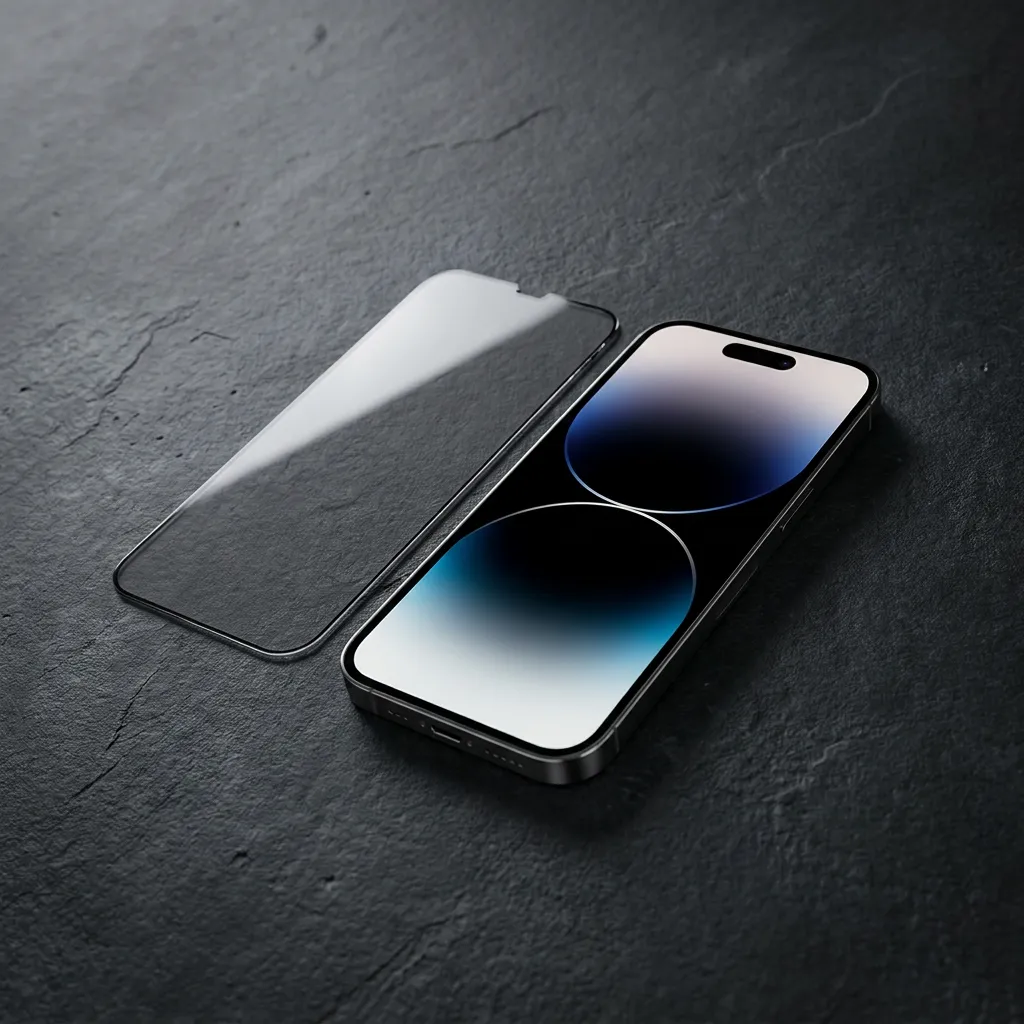
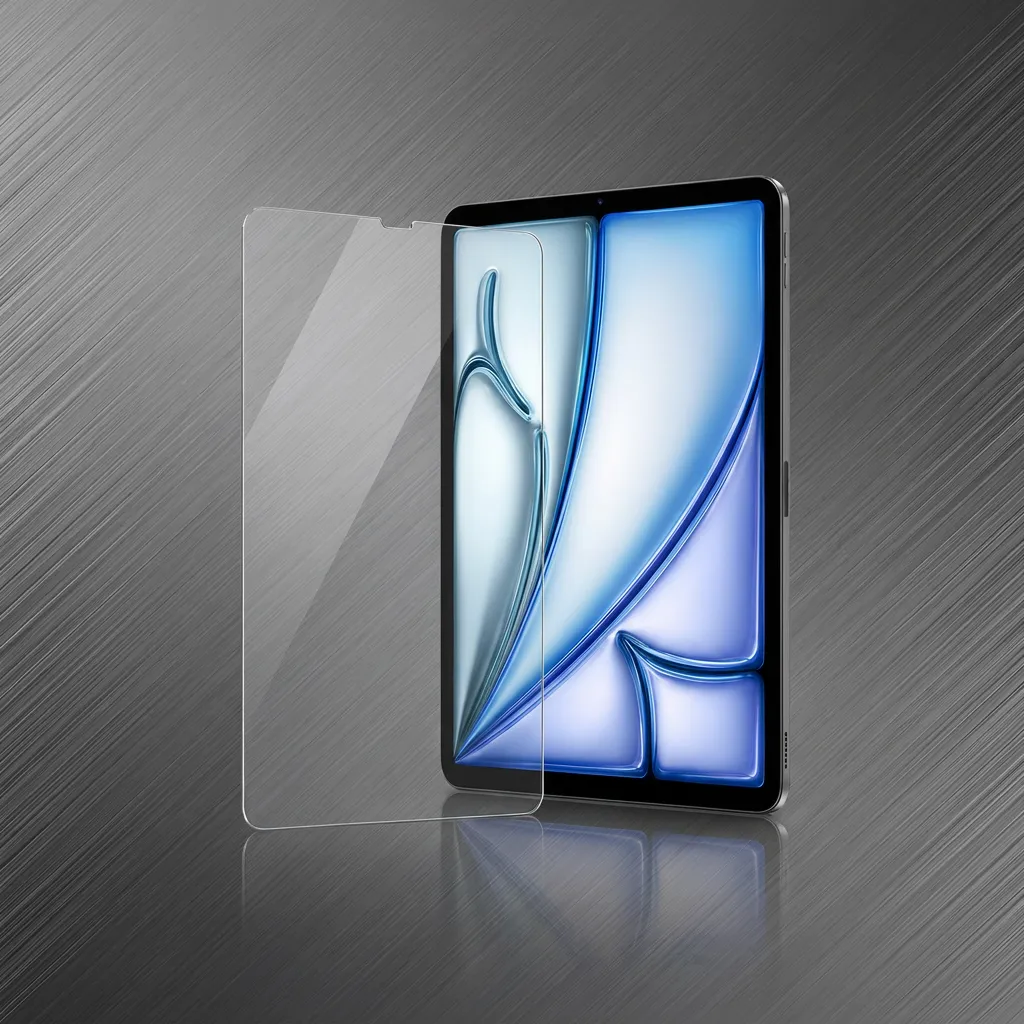
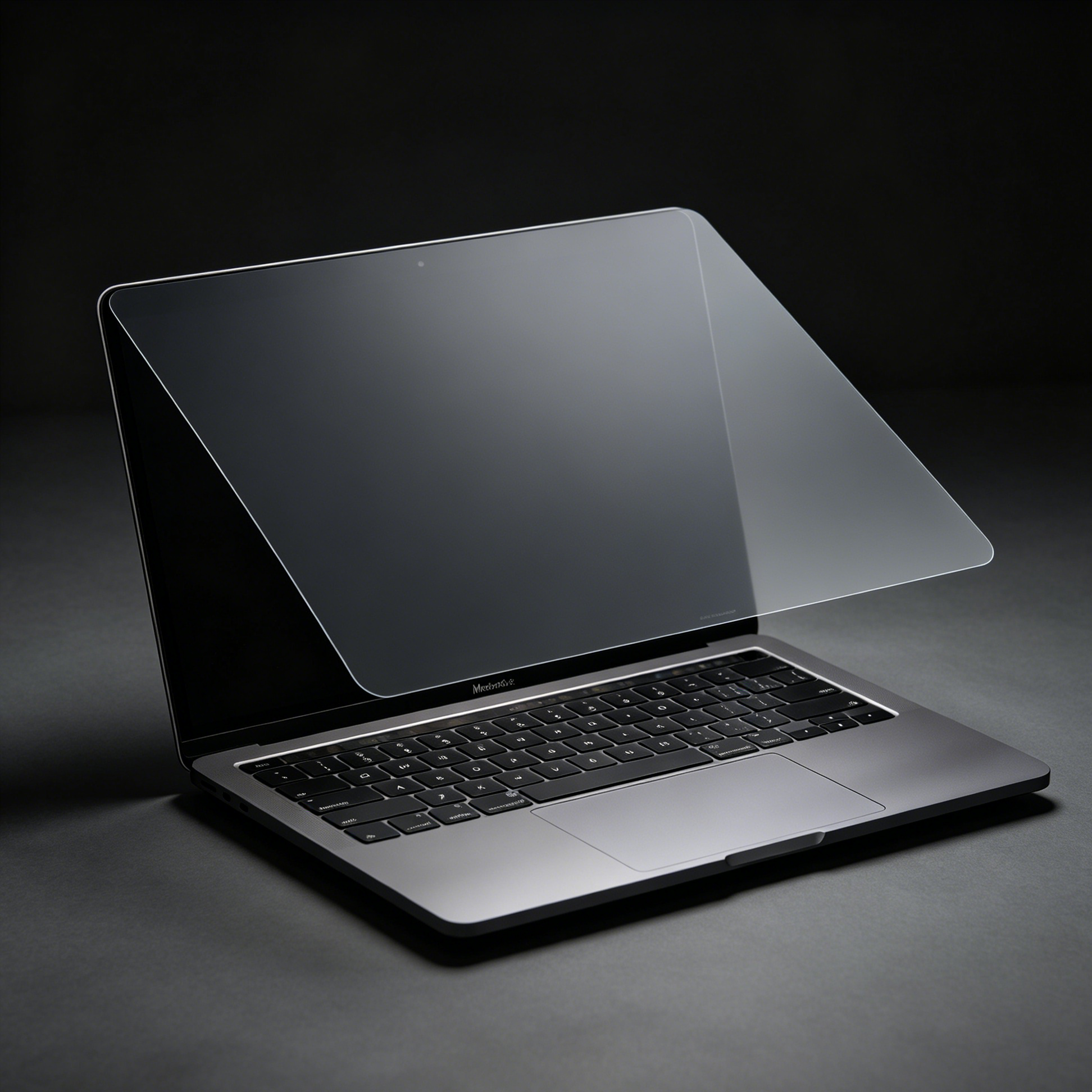
We offer blue-light filtering protectors in multiple formats: tempered glass (maximum protection), PET film (thin and flexible), and hybrid constructions (best of both). All block ~35% blue light, provide 9H scratch resistance, and include our dust-free install tray.
Blue-light-filtering screen protectors are a useful tool — especially for evening screen users who want a warmer display. But they are not a magic solution for eye strain or sleep issues. Pair your LUSA DESIGN blue-light film with good ergonomics and the 20-20-20 rule for the best results.
Shop our blue-light collection at lusafilm.com.