 1. Shields Against Scratches The Most Common Threat
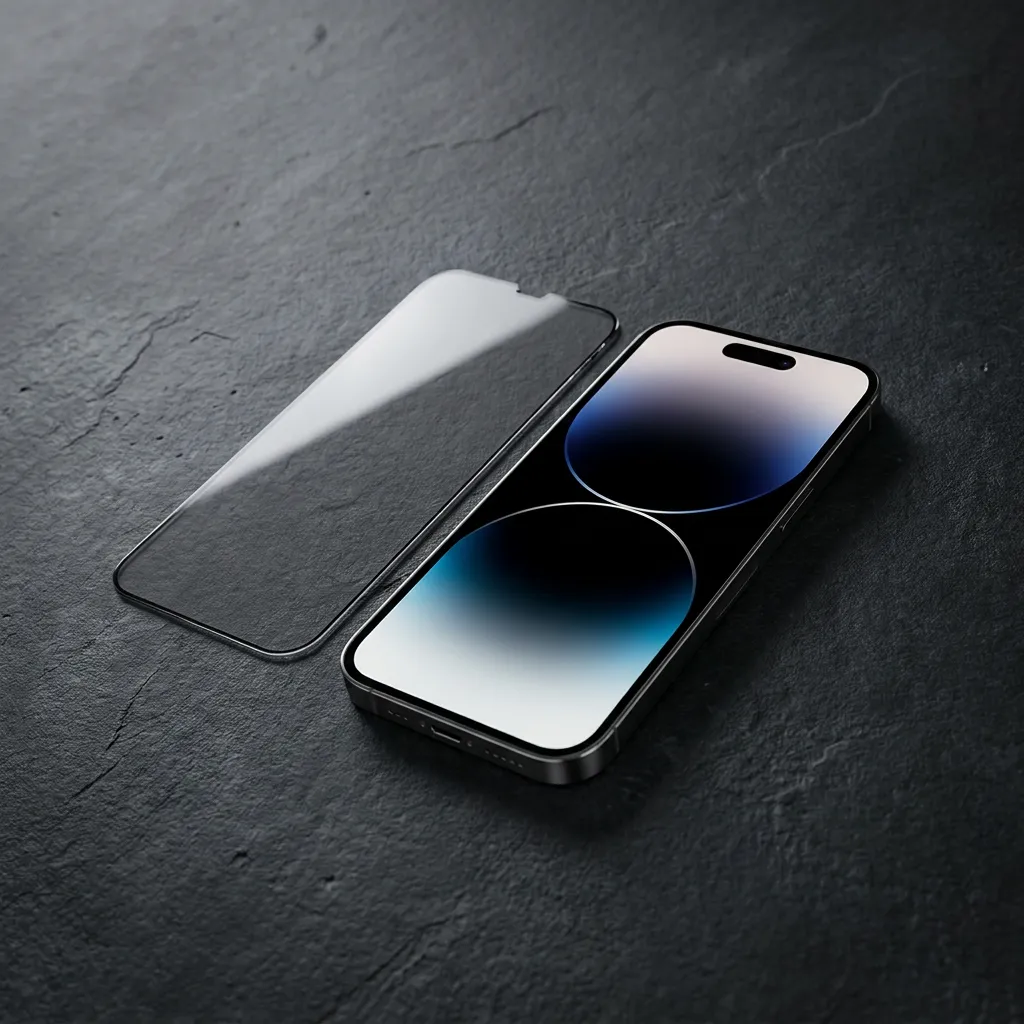
Let’s start with the most obvious and frequent issue: scratches. Even if you’re careful with your phone, everyday activities can easily scratch the screen. Putting your phone in a pocket with keys, coins, or other small objects, placing it face-down on a rough surface (like a desk, table, or sidewalk), or even accidental contact with sharp items (such as a pen, nail, or zipper) can leave unsightly scratches. Over time, these small scratches can accumulate, making it hard to see the screen clearly and diminishing the overall look of your device. A screen protector acts as a barrier between your phone’s original screen and these abrasive elements, absorbing the damage so your actual screen stays smooth and scratch-free. Whether you opt for a tempered glass or film protector, it’s designed to take the brunt of everyday wear and tear, keeping your screen in pristine condition.
2. Prevents Cracked Screens from Drops and Impacts
Drops happen—we’ve all been there. Whether you slip up while taking your phone out of your pocket, knock it off a table, or accidentally drop it while walking, a single fall can result in a cracked or shattered screen. Repairing a cracked screen is expensive (often costing hundreds of dollars, depending on the phone model) and can take time, leaving you without your device. A screen protector—especially tempered glass ones—provides impact resistance, helping to absorb the force of a drop and prevent the screen from cracking. While it won’t protect against every single drop (especially from extreme heights or onto sharp surfaces), it significantly reduces the risk of serious screen damage. Think of it as a “shock absorber” for your phone’s screen, minimizing the impact and keeping your device functional.
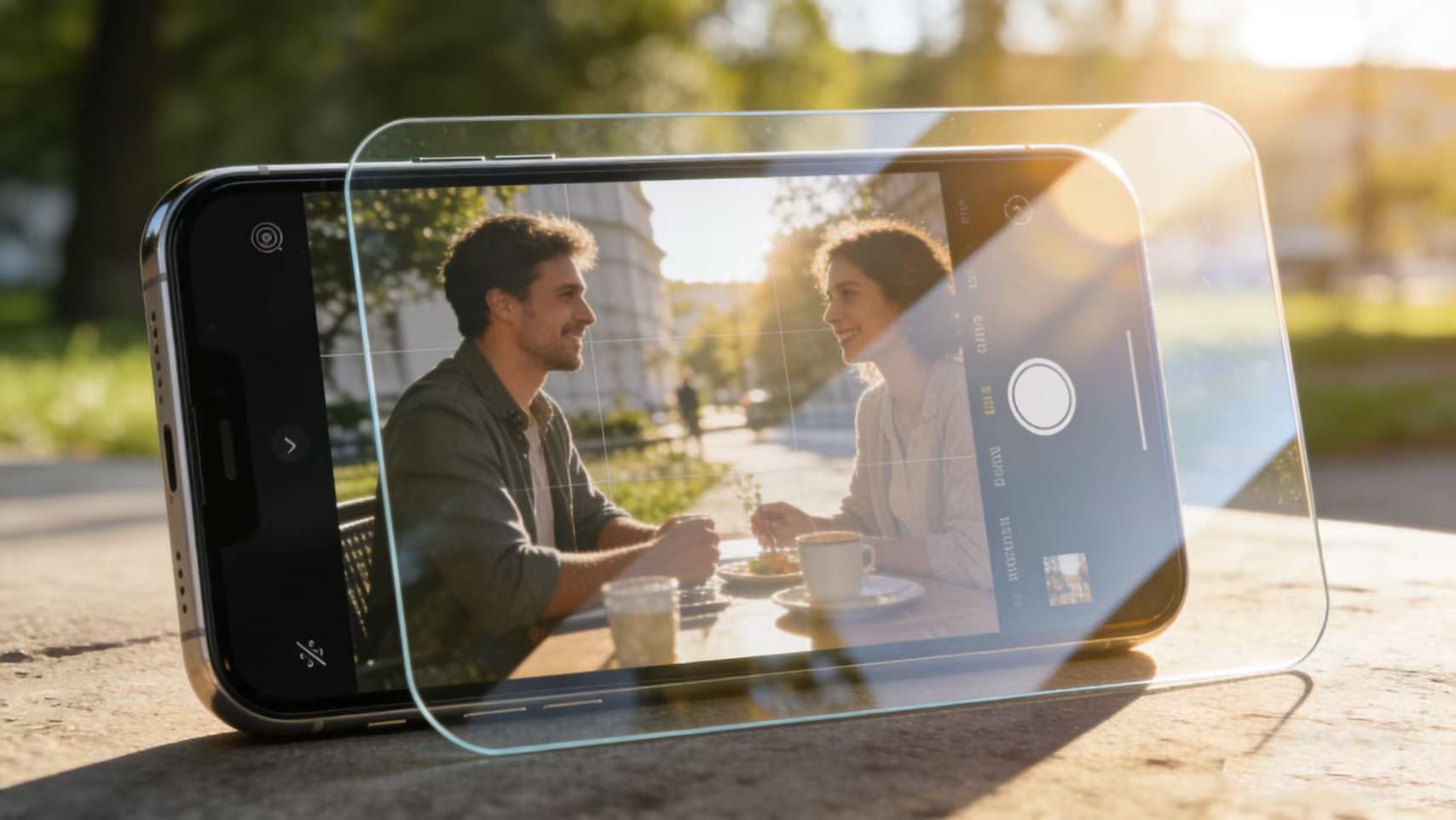
One common misconception about screen protectors is that they will blur the screen or reduce touch sensitivity. However, modern high-quality screen protectors are designed to be ultra-thin and transparent, so they don’t affect the clarity of your phone’s display at all. You’ll still enjoy the same vibrant colors, sharp details, and clear visibility that you get with an unprotected screen. Additionally, most screen protectors are touch-sensitive, meaning they won’t interfere with your phone’s responsiveness. You can still type quickly, scroll smoothly, play games, and use all your favorite apps without any lag or issues. Some even come with anti-fingerprint coatings, which we’ll cover next, to keep your screen looking clean and clear.
4. Reduces Fingerprints and Smudges
There’s nothing more annoying than picking up your phone and seeing it covered in fingerprints and smudges. Not only do they look unsightly, but they can also make it hard to see the screen, especially in bright light. Many screen protectors come with an anti-fingerprint (AF) coating, which repels oil and sweat from your fingers, reducing the number of fingerprints and smudges that accumulate on the screen. This coating makes it easier to clean your screen—just a quick wipe with a microfiber cloth is all it takes to remove any remaining smudges. This is especially beneficial for people who use their phones frequently, or for those who hate constantly wiping down their screens to keep them looking clean.
5. Protects Against UV Rays and Glare
Did you know that your phone’s screen emits UV rays, and prolonged exposure to these rays can be harmful to your eyes? Additionally, screen glare from sunlight or bright indoor lights can strain your eyes and make it difficult to use your phone. Some screen protectors—known as anti-glare or UV-protective protectors—are designed to address both of these issues. Anti-glare protectors reduce reflections and glare, making it easier to use your phone outdoors or in bright environments without straining your eyes. UV-protective protectors block harmful UV rays from the screen, helping to protect your eyes from long-term damage. This is a great benefit for anyone who spends a lot of time using their phone, whether for work or entertainment.
6. Extends the Lifespan of Your Phone
A damaged screen isn’t just a cosmetic issue—it can also lead to more serious problems over time. For example, a cracked screen can allow dust, dirt, and moisture to enter your phone, which can damage the internal components (like the display panel, battery, or motherboard). This can cause your phone to malfunction, slow down, or even stop working entirely. By protecting your screen with a screen protector, you’re preventing these types of issues from occurring, which helps to extend the overall lifespan of your phone. A screen protector is a small investment that can save you from having to replace your entire phone prematurely. Instead of spending hundreds of dollars on a new device, you can simply replace the screen protector if it gets damaged.
7. Increases Resale Value
If you plan on selling or trading in your phone in the future, the condition of the screen is one of the most important factors that determines its resale value. A phone with a scratch-free, undamaged screen will fetch a much higher price than one with a cracked or scratched screen. Even small scratches can decrease the value of your phone by 10-20% or more, depending on the model. By using a screen protector from day one, you can keep your phone’s screen in like-new condition, which will help you get the best possible price when you’re ready to upgrade. This is especially important for high-end phones (like iPhones or Samsung Galaxies), which hold their value better when they’re in good condition.
8. Easy to Install and Replace
Another great benefit of screen protectors is that they’re easy to install and replace. Unlike phone cases, which can be bulky or difficult to put on, most screen protectors come with a simple installation kit (including a microfiber cloth, dust remover, and alignment tool) that makes it easy to apply the protector without any bubbles or mistakes. Even if you’re not tech-savvy, you can install a screen protector in just a few minutes. And if the protector gets scratched, cracked, or damaged, you can easily replace it with a new one—no need to take your phone to a repair shop or spend a lot of money. This convenience makes screen protectors a practical and hassle-free accessory.
9. Offers Additional Functional Benefits (Depending on the Type)
Screen protectors aren’t just for protection—many of them offer additional functional benefits that can enhance your phone usage experience. For example:
-
Privacy screen protectors: These protectors are designed to limit the viewing angle of your screen, so only people directly in front of the phone can see what’s on it. This is great for anyone who uses their phone in public (like on the bus, train, or in a café) and wants to keep their personal information private.
-
Matte screen protectors: In addition to reducing glare, matte protectors also provide a smooth, paper-like texture that makes it easier to type and scroll, and can even reduce eye strain during long usage sessions.
-
Waterproof screen protectors: While most screen protectors aren’t fully waterproof, some are designed to repel water and other liquids, protecting your screen from spills (like coffee, soda, or water) that could cause damage.
10. Affordable Protection for Your Valuable Device
Last but certainly not least, screen protectors are incredibly affordable. Compared to the cost of repairing a cracked screen (which can cost $100-$500 or more) or replacing your entire phone (which can cost $1,000+), a high-quality screen protector costs just $10-$30. This makes it one of the most cost-effective ways to protect your smartphone. You can even buy multi-packs of screen protectors, so you always have a replacement on hand if needed. Investing in a screen protector is a small price to pay for the peace of mind knowing that your phone’s screen is protected from everyday damage.
 1. Shields Against Scratches The Most Common Threat