Air travel puts phone screens in unusually visible places. Boarding lines compress strangers into a narrow space, lounge seating faces several directions, and airplane rows place another passenger only inches away. Tickets, hotel details, messages, payment notifications, and work documents can all appear during the same trip.
A privacy screen protector can reduce side views, but it works best as one part of a travel routine. Position, brightness, notifications, and the direction of nearby people still matter.
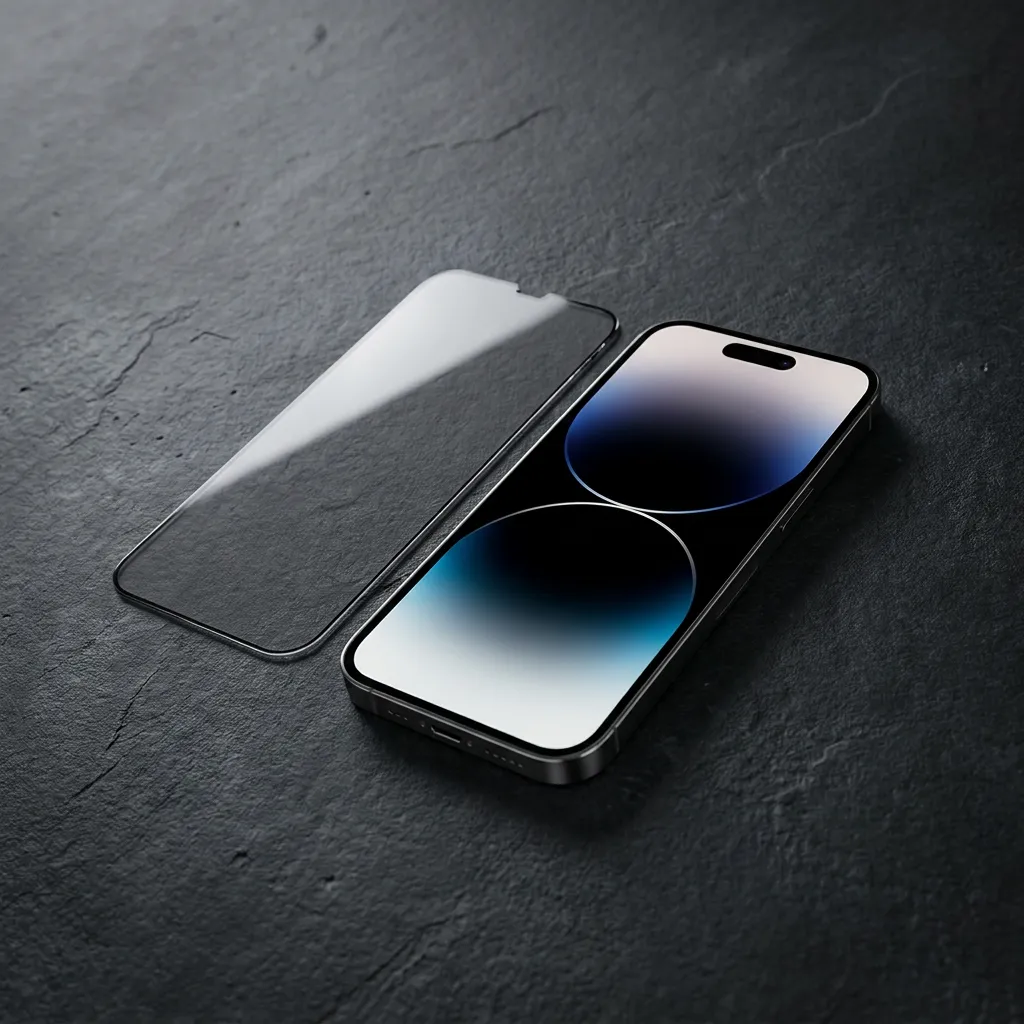
The LUSA DESIGN 180° 2.5D AR Privacy Screen Protector is designed to make the display harder to read from the left and right while maintaining a clear front view. Its listing also describes AR functionality, an oleophobic surface, and dust-free installation for selected iPhone 15, 16, and 17 models.

Side privacy does not hide the display from someone directly in front of the phone or looking over your shoulder. Hold the phone close to your body, reduce the time sensitive pages stay open, and lock the screen before placing it on a tray table.
The LUSA DESIGN 20° Anti-Reflective Privacy Screen Protector offers privacy and anti-reflective options for a range of iPhone models. A narrower side-view design can be useful in dense seating, but stronger privacy can also change how the display looks when the phone is tilted. Read the product option carefully and test the front viewing position after installation.

Keep the phone centered in front of you rather than flat on the tray table. If another person must scan or read a code, rotate the phone intentionally and close the page afterward. For work documents, consider whether the task can wait until a more private location. A filter lowers casual visibility; it does not create a secure room.
Privacy layers can change perceived brightness or off-angle readability. Before travel, test maps, QR codes, text size, and any accessibility settings you use. Increase text size if necessary instead of automatically raising brightness to the maximum. The right setting is the one that stays readable from your normal front position.
The best result comes from combining the protector with short screen-open times, controlled notifications, strong device authentication, and awareness of who is in front or behind you. Choose the exact iPhone model, understand the viewing-angle design, and test the travel workflow before the departure day.