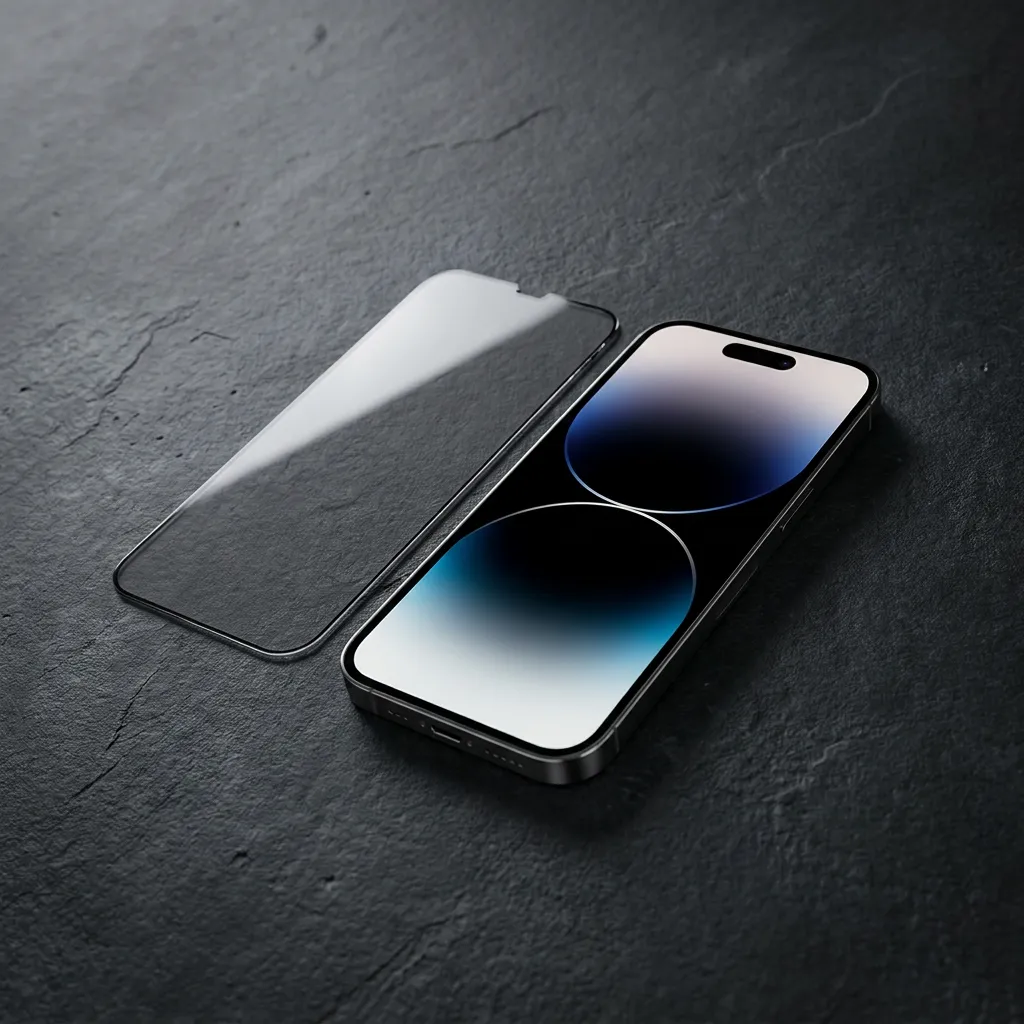
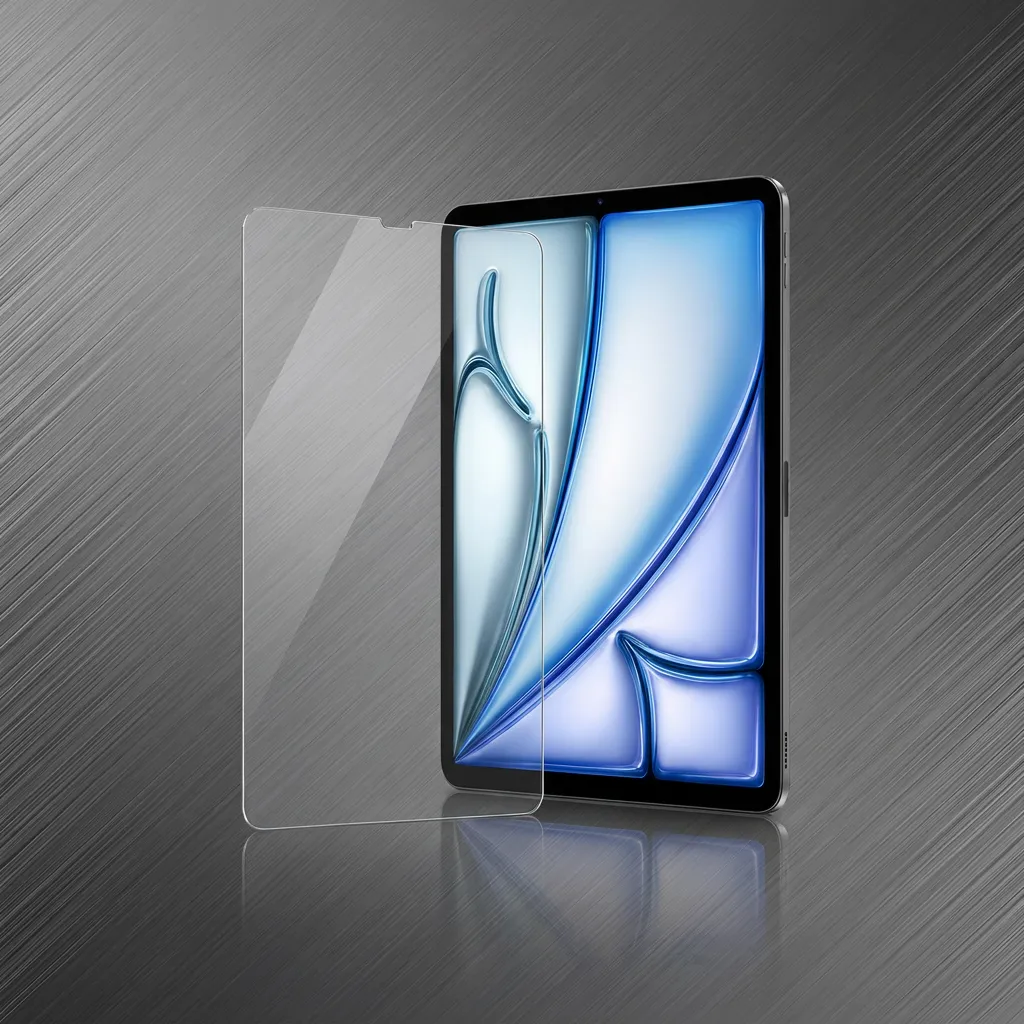
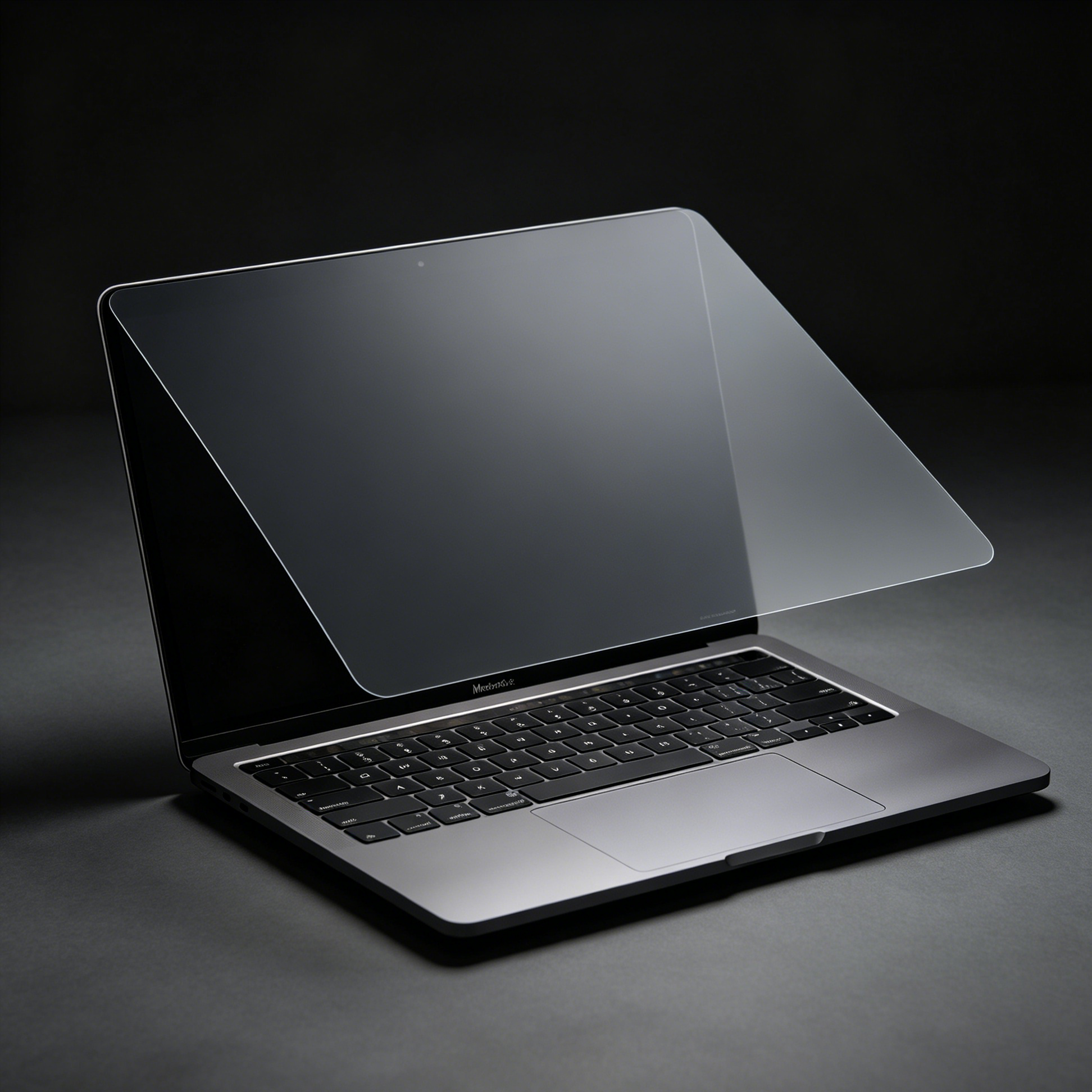
A matte screen protector usually has a slightly textured surface. This texture helps scatter light and reduce strong reflections. That is why matte film is often used by people who want less glare, especially when using tablets or phones for writing, drawing, or reading.
However, matte film may slightly reduce screen sharpness. Some users notice that the display looks less clear compared with the original screen. Colors may feel softer, and small text may not look as crisp. This is not necessarily bad, but it depends on what you care about most.
An AR screen protector works differently. It is designed to reduce reflections while keeping a clearer display view. Instead of creating a strong matte texture, AR film focuses more on anti-reflection performance while maintaining screen clarity. For users who watch videos, edit photos, browse social media, or care about display quality, this can be a better fit.
The touch feel can also be different. Matte film can feel more textured, while AR screen protectors usually feel closer to a smooth glass surface. If you prefer a silky-smooth swipe, AR film may feel more natural for everyday phone use.
So which one should you choose?
If your main goal is to reduce glare as much as possible and you do not mind a slightly textured look, matte film may work for you. If you want less reflection while keeping the screen clear and smooth, an AR screen protector is usually the better choice.
LusaDesign AR screen protectors are made for users who want daily screen protection without making the display feel dull. The goal is simple: less glare, clearer viewing, and a smooth touch experience.
Matte film and AR film are not the same. Matte film focuses more on reducing glare through texture, while AR screen protectors focus on reducing reflection while keeping the screen visually clear. Choose based on how you use your phone every day.