AR vs. Privacy: How to Choose the Right Screen Protector for Your Needs
By kimi
February 4th, 2026
396 views

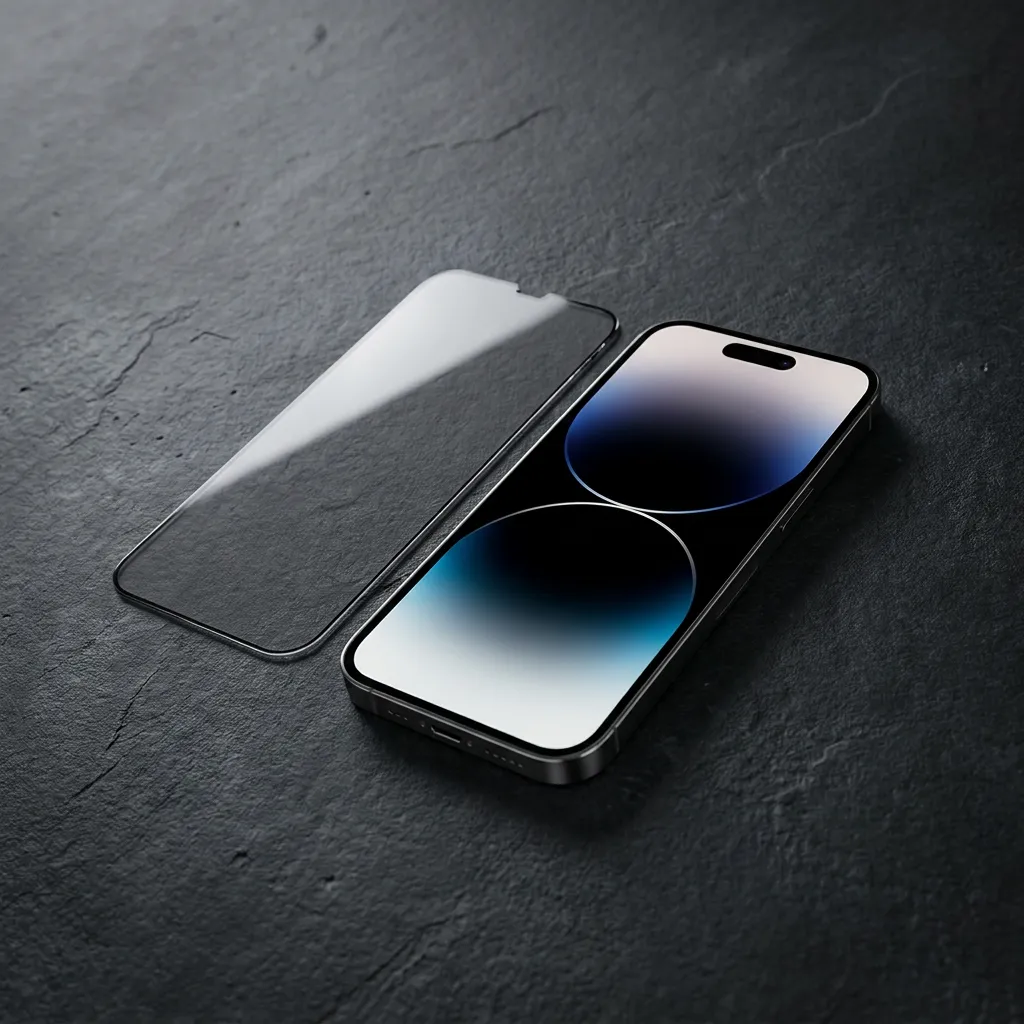
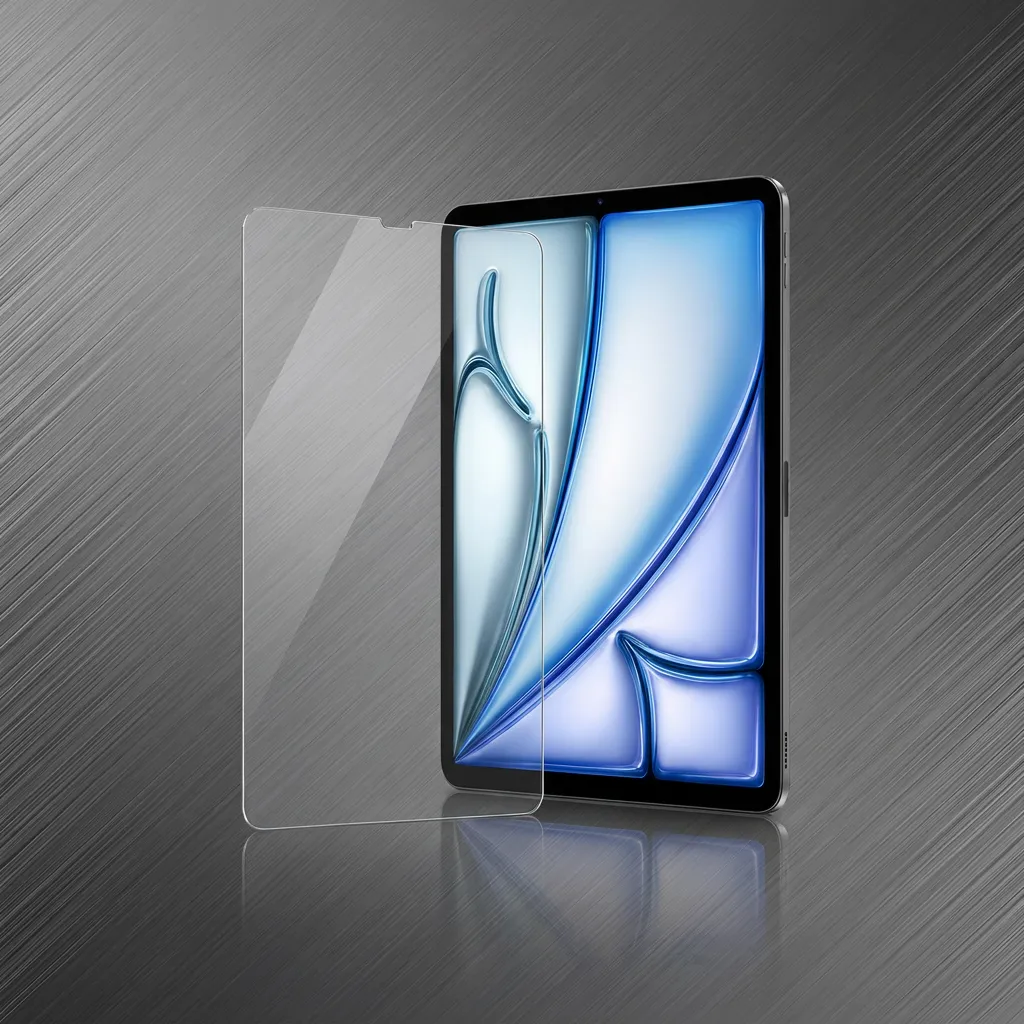
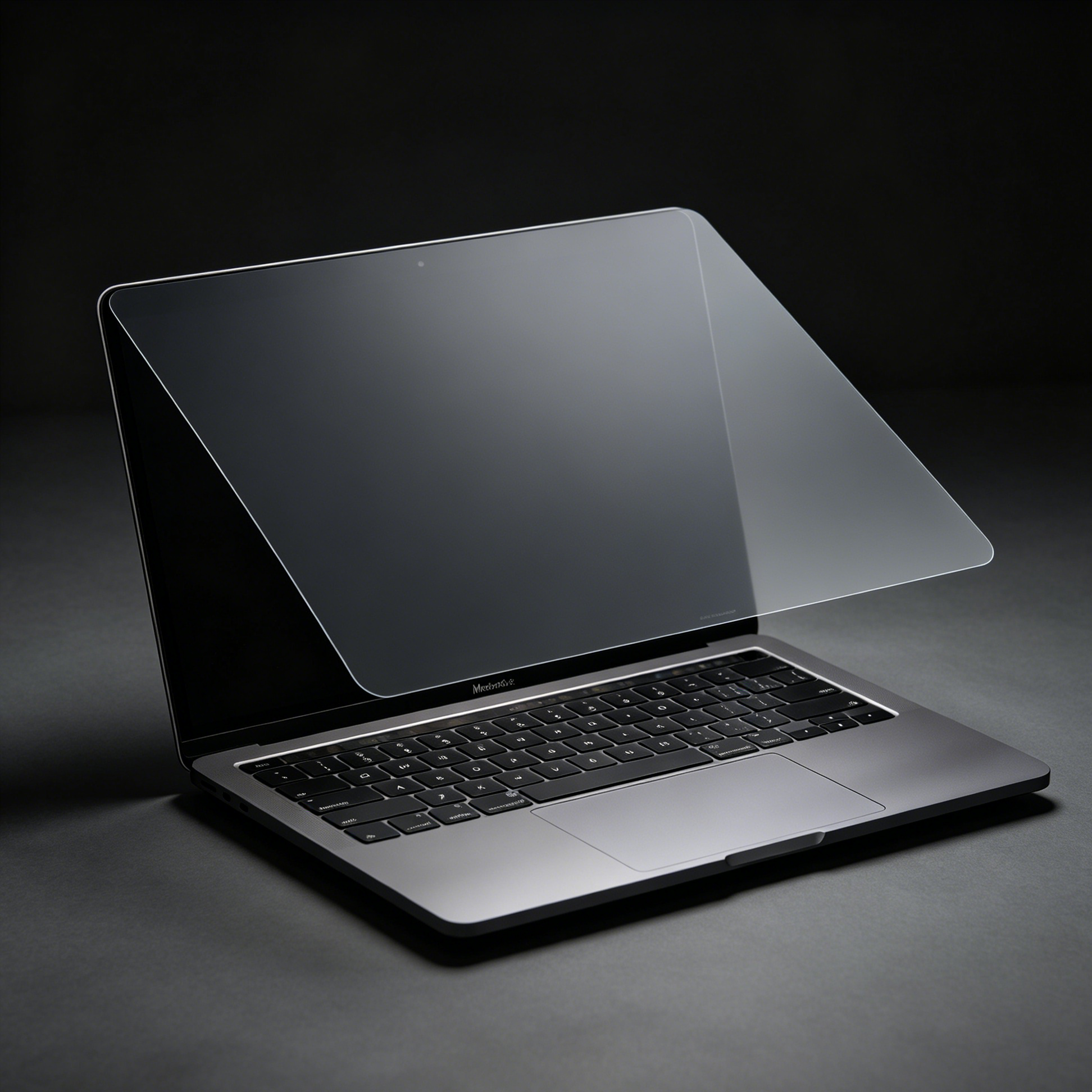
In today’s world, a screen protector is essential. But with options like AR (Anti-Reflective) and Privacy films, the choice isn’t always straightforward. Both go beyond basic scratch protection, offering specialized functionalities tailored to different user needs. Understanding their key differences is the first step to a clearer, safer, and more private viewing experience.
The Clarity Guardian: AR Film
The primary mission of an AR film is to combat reflections. It utilizes advanced multi-layer optical coating technology to significantly reduce light bouncing off your screen. This means:
Enhanced Visuals in Bright Light: Say goodbye to frustrating glare and mirror-like reflections when using your phone outdoors, near windows, or under bright office lights. Content remains vivid and readable.
True-to-Life Colors: With exceptionally high light transmittance (often over 95%), AR films preserve your display’s original color saturation and contrast better than most other films. This makes them a favorite among users who watch videos, edit photos, or simply enjoy their screen’s native brilliance.
Reduced Eye Strain: By minimizing harsh glare, AR films create a more comfortable viewing experience, especially during prolonged use.
The Privacy Shield: Privacy Screen Protector
A privacy screen protector is designed for confidentiality. It incorporates a special micro-louver (like a tiny built-in venetian blind) or optical coating that narrows the screen’s viewing angle.
Side-Angle Protection: When you look at the screen directly, everything is clear. However, for anyone peeking from the side (typically beyond 30-45 degrees), the screen appears darkened or completely black. This is invaluable for…
Ideal for Public & Professional Settings: Protecting sensitive information on trains, in cafes, or open-plan offices. It’s essential for professionals handling financial data, confidential emails, or private messages.
A Trade-off for Privacy: To achieve this effect, privacy films generally have a lower light transmittance than AR films, which can make the screen appear slightly dimmer even from the front. Some color fidelity may also be subtly affected.
Choosing What’s Right for You: A Quick Guide
Choose an AR Film if: You prioritize visual excellence, hate screen glare, use your device outdoors or in bright light frequently, and are a gamer, photographer, or avid media consumer.
Choose a Privacy Film if: You often use your device in public spaces, handle sensitive information (business, finance, personal data), and your top priority is preventing visual eavesdropping.
Think About Lusafilm’s Expertise: At Lusafilm, we engineer both types of films with precision. Our AR films leverage high-grade coatings for maximum clarity, while our privacy films are crafted to offer effective shielding without excessively compromising front-view brightness. We believe in providing the right optical solution for every unique need.
Image Style Suggestions:
A comparative infographic showing two side-by-side phone icons: one with an “Anti-Glare” icon shining clearly under a light bulb, and the other with an “Eye” icon on the side blocked by a “No” symbol.
Two real-life scene photos: one person comfortably using a phone by a sunny window (AR film), and another in a crowded cafe with people nearby unable to see the side-lit screen (Privacy film).
Previous
New Anti-Blue Light Film: Protecting Your Eye Health
Read More
Next
Flexible PET Privacy Film: What to Expect During the First 24 Hours
Read More