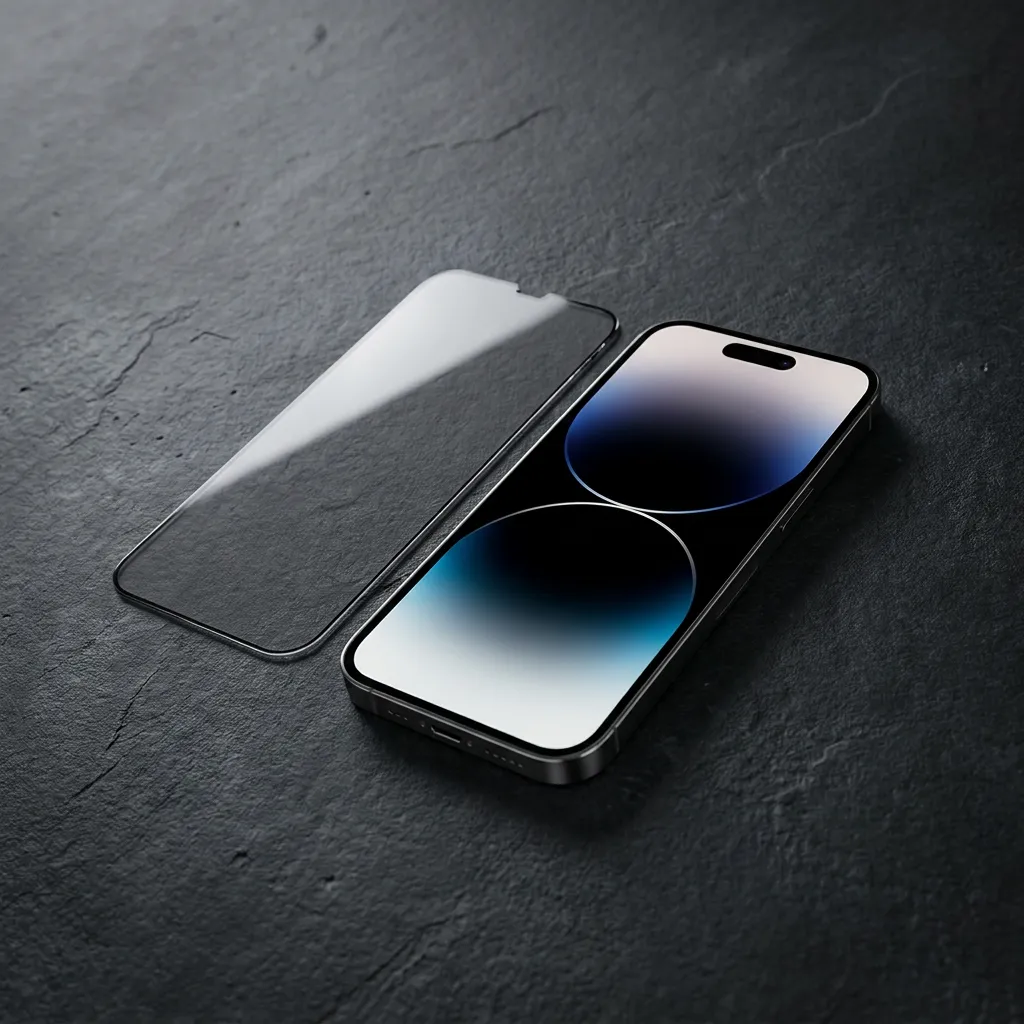
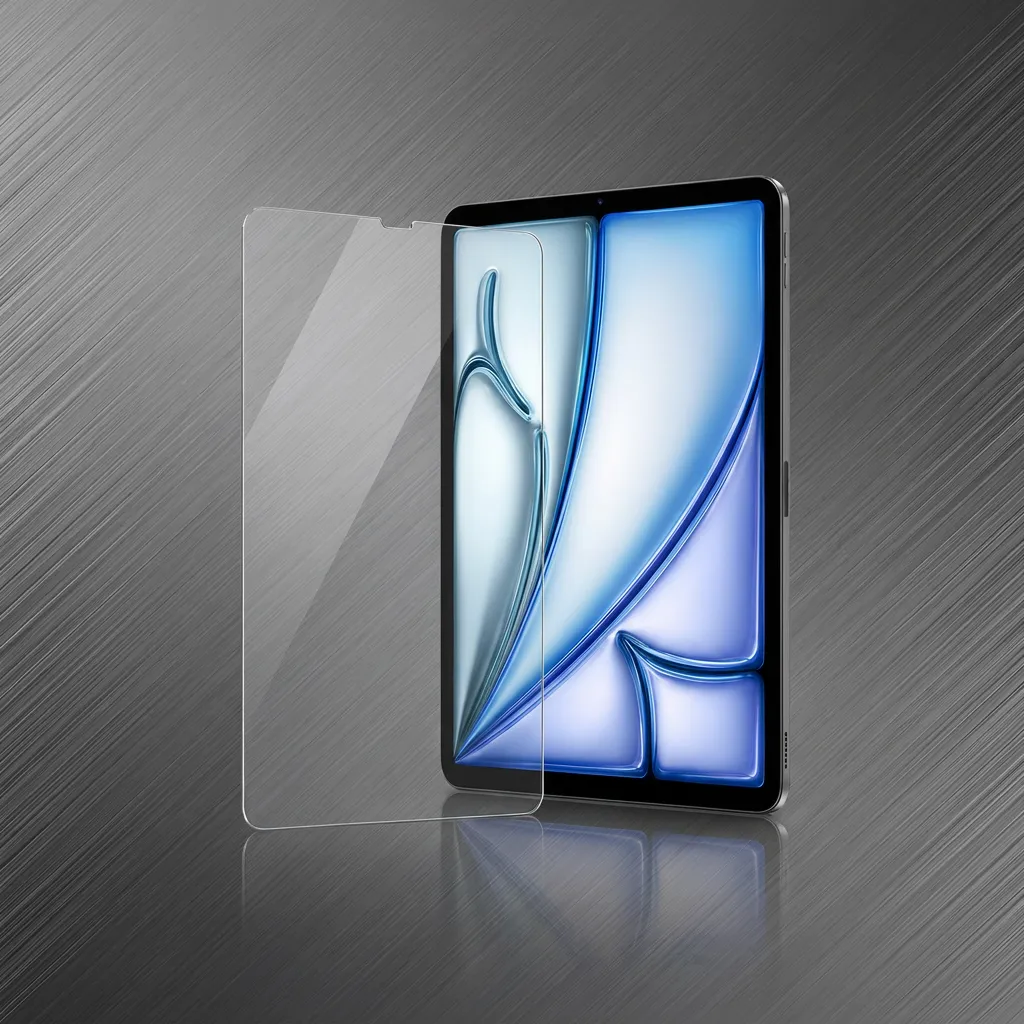
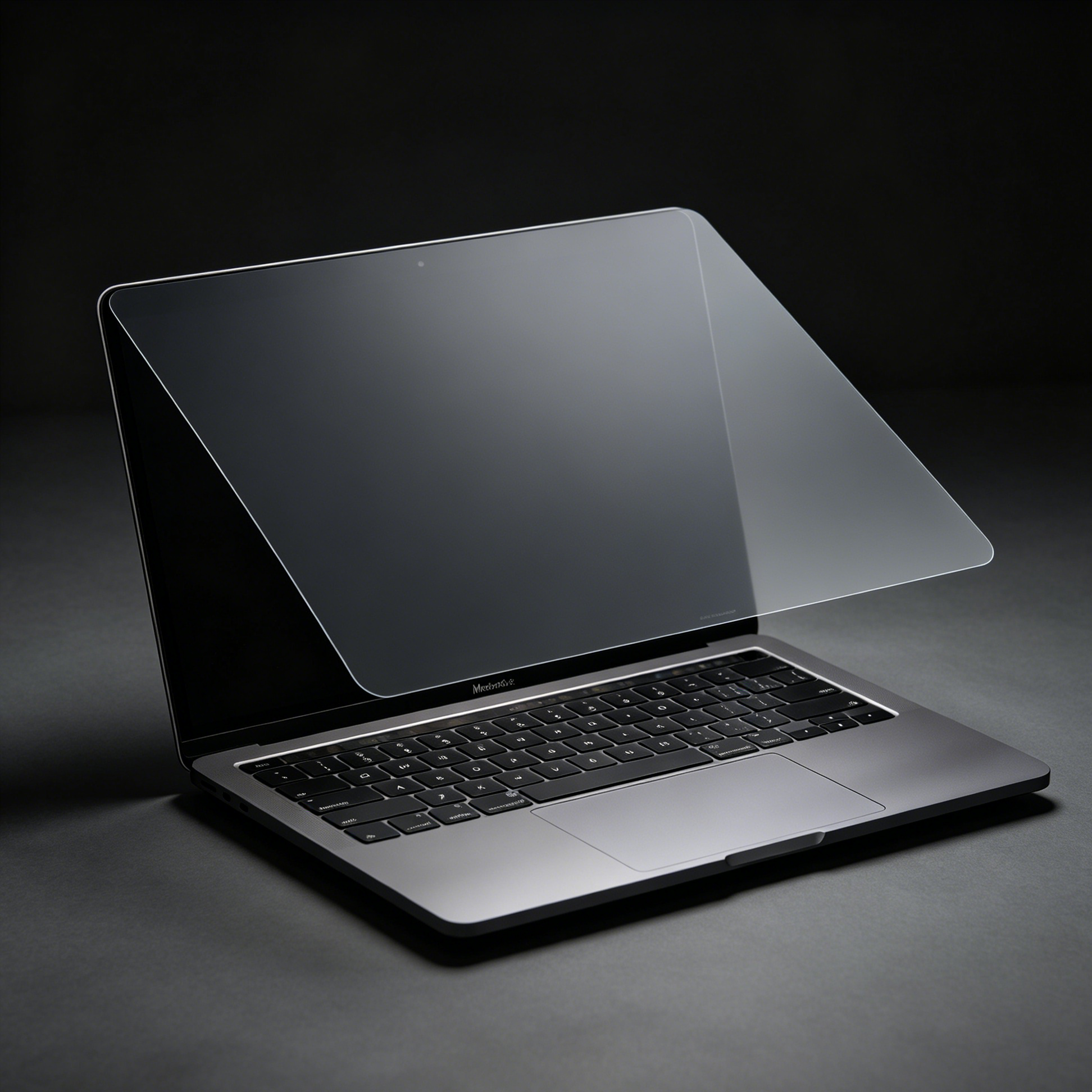
For designers, photographers, and professionals who spend hours in front of screens, screen protectors are no longer just accessories.
They directly affect:
Among all screen protector options, AR anti-reflective films and matte films are often compared.
But what are the real differences?
Matte films reduce reflections by diffusing light through textured surfaces.
Advantages:
However, matte films also come with compromises:
For professionals who rely on accurate visuals, matte films often reduce the original quality of the display.
AR (Anti-Reflective) technology is an optical coating technology designed to reduce surface reflections.
Instead of diffusing light like matte films, AR coatings minimize reflectivity while preserving display clarity.
As a result:
This is why more professionals are switching to optical AR films.
Professional users are not simply looking for:
“Less reflection.”
They want:
“Reduced glare without sacrificing display quality.”
Especially for:
Display precision matters.
Traditional AR films often struggle with:
LUSA focuses on maintaining the original display experience while minimizing reflections.
That’s why more professionals are paying attention to:
Because great screen protection should not make users feel like:
“There’s something covering the screen.”
Instead, it should feel like:
“The screen simply looks better.”