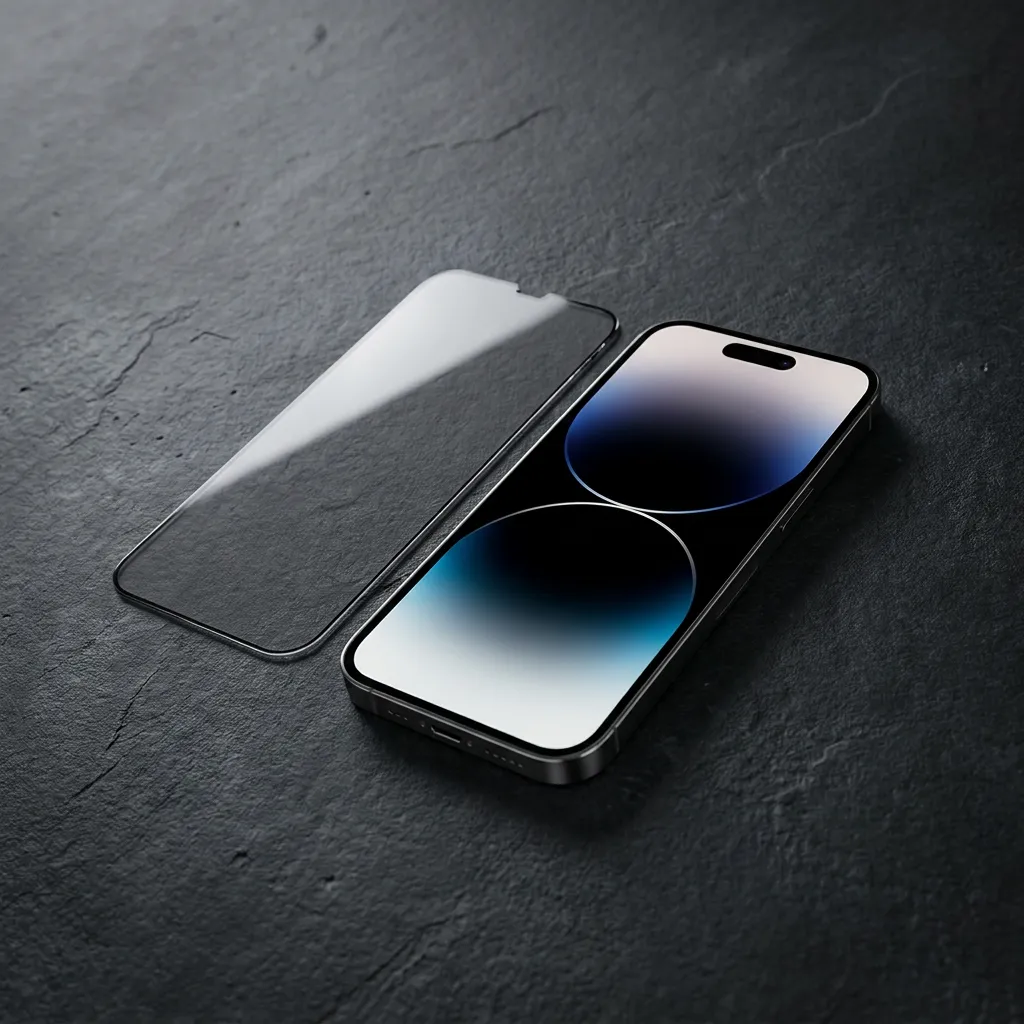
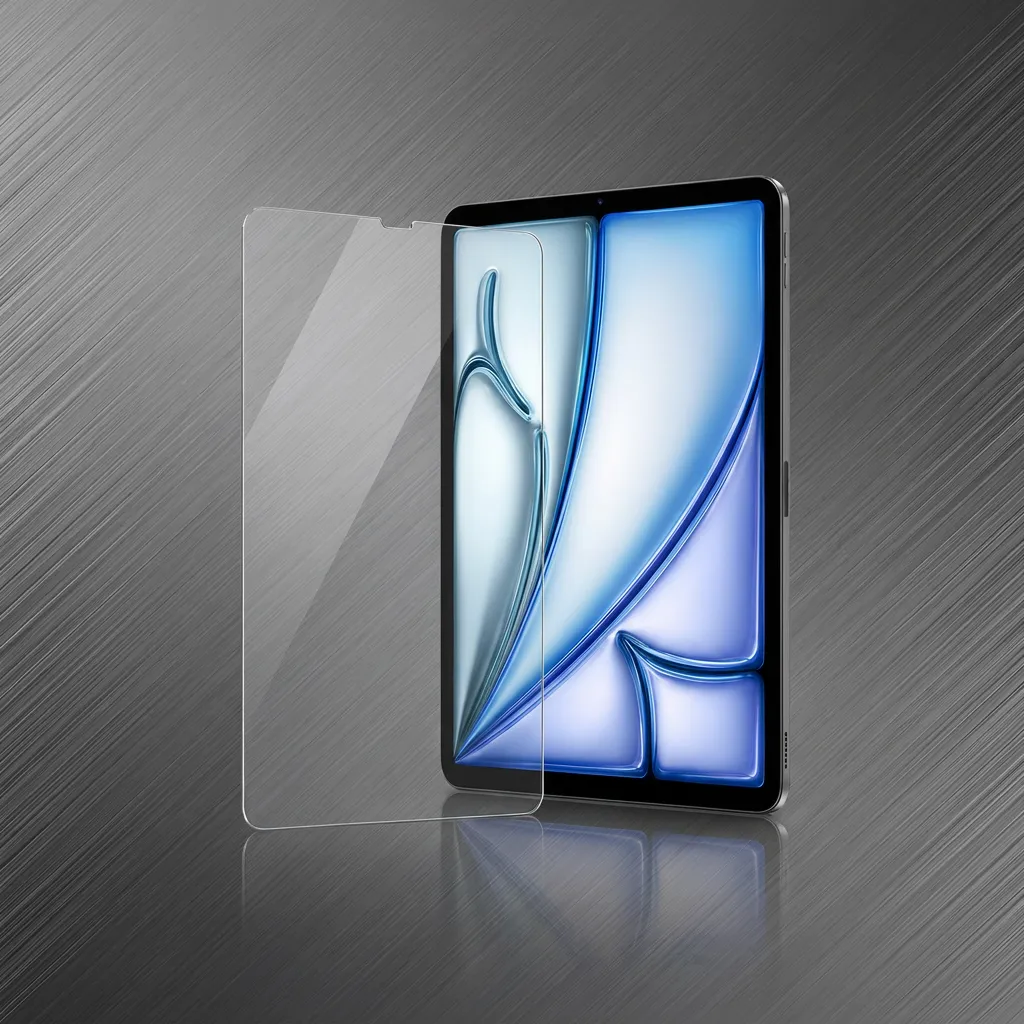
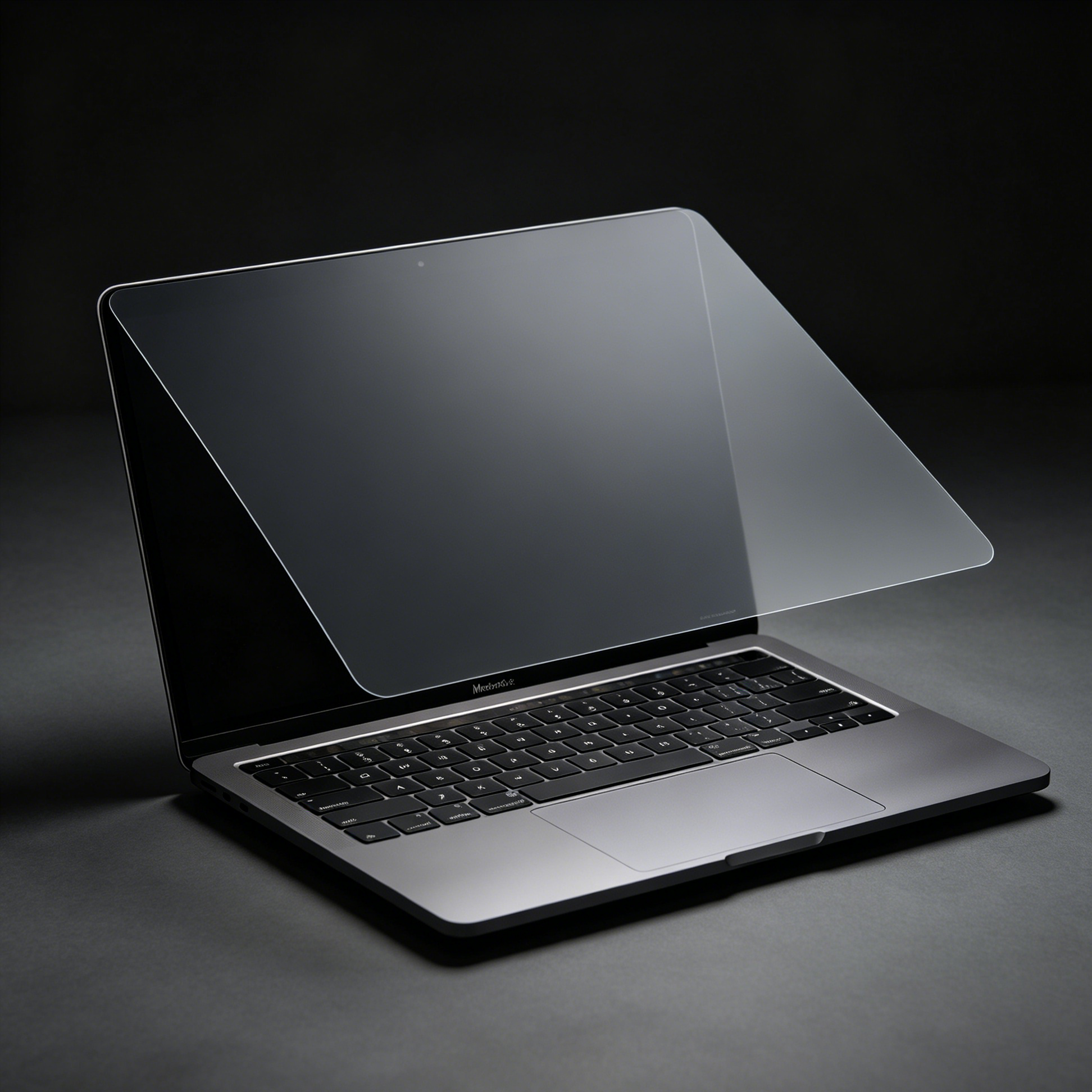
There's no fixed expiration date on a screen protector. A well-installed one can serve you for months or longer, while a protector that cracked on day one should be swapped out immediately.
The short answer: condition matters more than age. When cracks, deep scratches, a worn coating, lifting edges, bubbles that keep returning, touch issues, or declining privacy and anti-glare performance start affecting everyday use, it's time for a replacement.
A hairline crack near the edge might look harmless, especially when the screen underneath still works fine. But any crack means the protector's structure has already failed. Cracks spread, and chipped edges can turn sharp enough to scratch your fingers while swiping.
Replace it right away if:
Don't wait for a damaged protector to break apart further. Remove it carefully, clean the screen, check the original display for damage, and install a correctly sized replacement.
Light surface marks are normal after daily use. Dust, sand, grit, rough bag linings, and contact with hard objects all leave traces over time. A few faint scratches don't automatically mean you need a new protector.
The line crosses when scratches start distracting you during normal use. Open a white page or a bright photo and look at the screen under different lighting. If scratches create visible lines, rainbow effects, glare, shadows, or blurry patches, the protector is getting in the way of the display itself.
This matters most if you chose an anti-reflective protector for better clarity and fewer reflections. Once scratches repeatedly interrupt your viewing, replacing the protector does more for your daily experience than holding onto a worn surface.
Most glass screen protectors come with an oleophobic (oil-repellent) coating that reduces smudges and keeps swiping smooth. That coating wears down gradually through normal touching, cleaning, and friction.
Common signs the coating is worn:
A worn coating doesn't mean the protector has stopped protecting the screen physically. But the daily experience will keep getting worse. Try cleaning it with a microfiber cloth first. If the sticky or oily feeling stays, replacement is the next step.
Edge lifting happens for several reasons: poor alignment, dust trapped underneath, pressure from the case, curved screen edges, weakened adhesive, or repeated exposure to heat and moisture. A small lifted corner lets more air and dust creep in over time.
Watch for these signs:
Take the case off and see if the edge settles. If it keeps lifting, pressing it down is usually only a temporary fix. Replace it with the exact model for your phone and confirm the new protector works with your case.
A small air bubble right after installation can often be guided toward the nearest edge and removed. Persistent bubbles are different—they mean the adhesive isn't making even contact with the screen.
Recurring bubbles usually come from:
If the same bubble disappears and returns, stop pressing it. Lifting and reapplying the protector tends to introduce more dust and weaken the adhesive further. A clean replacement is usually the more reliable fix.
A properly installed protector shouldn't interfere with tapping, typing, scrolling, gaming, or gestures. Touch problems show up when a protector is too thick, cracked, misaligned, partly detached, contaminated underneath, or not compatible with the device.
Before removing it, run through a quick check:
When the touch problem is only in the damaged part of the protector, remove it and test the original screen before installing a new one. If the issue continues with no protector attached, the phone itself may need further troubleshooting.
Functional protectors do more than protect the surface—they manage light. A privacy screen protector should keep the display readable from the front while blocking the view from side angles. An anti-reflective (AR) protector should cut distracting reflections while keeping the front view clear.
Surface wear, scratches, haze, poor adhesion, or damage to the optical layers can all change how well the protector performs. Think about replacement when:
Clean the protector before deciding. If the problem remains, explore LUSA DESIGN's privacy screen protectors and AR screen protectors to find the right replacement for where you use your device most.
There's no universal schedule. Replacement should be based on condition, fit, and performance—not a calendar.
How often you'll need a replacement depends on:
Check the protector after any drop and each time you clean the screen. A protector in good shape doesn't need replacing just because months have passed. A brand-new one should still be replaced if it's cracked, badly scratched, lifting, or affecting touch response.
Minor installation air can sometimes be removed, and case pressure can sometimes be fixed by switching cases. But cracks, chips, deep scratches, worn coatings, contaminated adhesive, and damaged optical layers can't be restored by cleaning or polishing.
Don't use glue, oil, polish, or household chemicals to hide damage. These leave residue, reduce clarity, and make later removal harder. When the material itself is damaged, replacement is the practical fix.
The best replacement depends on what you want to solve:
Once you've picked the right model, follow LUSA DESIGN's installation guide on the homepage and make sure the case doesn't press against the new protector.
How long does a tempered glass screen protector last? There's no universal lifespan. It stays usable as long as it remains clear, securely attached, smooth, and responsive. Replace it when damage or wear affects protection or everyday use.
Should I replace a cracked screen protector immediately? Yes, especially when the crack crosses the viewing area, the edge is sharp, pieces are loose, or touch response is affected.
Can a screen protector wear out without cracking? Yes. The surface coating can wear, edges can lift, adhesive can get contaminated, and AR or privacy performance can become uneven even without a major crack.
Why do bubbles keep returning under my screen protector? Recurring bubbles usually point to dust, uneven adhesion, misalignment, a warped protector, case pressure, or an uneven display surface. If the same bubble returns after being pushed out, replacement is usually more reliable than repeated adjustment.
Does a scratched screen protector still protect the phone? Minor cosmetic scratches may not eliminate protection. Replace the protector when scratches affect visibility, create rough areas, worsen glare, or appear together with cracks, lifting, or touch problems.
A screen protector should stay clear, smooth, secure, and comfortable to use. Visible damage is one reason to replace it, but worn coatings, repeated bubbles, edge lifting, inconsistent touch, and declining privacy or anti-reflective performance matter just as much.
Check the protector's actual condition instead of relying on a fixed date. Replacing it at the right time keeps the viewing experience sharp, supports reliable touch interaction, and gives the next protector a clean surface for proper installation.
Ready for a clearer screen? Explore LUSA DESIGN's range of privacy screen protectors, AR screen protectors, and anti-glare protectors for sharper viewing, better side privacy, and easier installation.