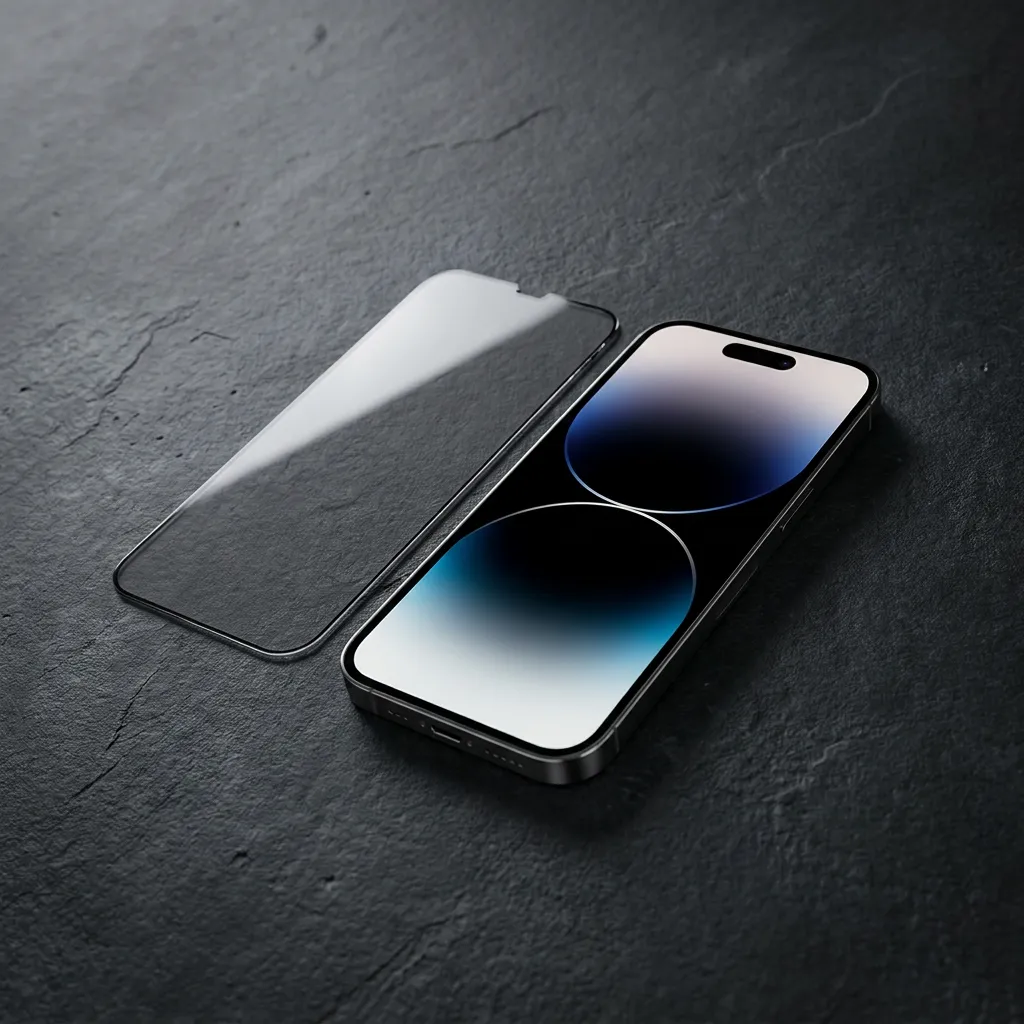
Phone screens have improved a lot over the years.
Modern smartphones use stronger glass, better coatings, and more durable materials than older models. Because of this, some users wonder whether a tempered glass screen protector is still necessary.
The answer depends on how you use your phone.
For many people, a tempered glass screen protector is still worth it — not because it makes your phone unbreakable, but because it adds a practical layer of daily protection.
Modern phone screens can handle normal use better than before. But they are still not immune to scratches, drops, pressure, or accidents.
A small scratch from keys, sand, dust, or rough surfaces can still happen. A drop at the wrong angle can still cause damage.
A tempered glass protector helps reduce direct contact between your phone screen and outside objects.
It is not perfect protection, but it is a useful first layer.
One reason screen protectors are still popular is simple: screen repair can be costly.
Replacing a cracked or scratched screen is usually much more expensive than replacing a screen protector.
If the protector takes the damage instead of the original screen, it has already done its job.
For many users, this makes tempered glass a practical purchase.
Not every problem comes from a big drop.
Many screen issues come from daily use:
A tempered glass screen protector helps reduce these daily risks.
A good screen protector is not only about protection. It also affects how the screen feels.
High-quality tempered glass can make the surface feel smooth and clean. Some protectors include anti-fingerprint coating, making the screen easier to wipe after daily use.
For people who scroll, type, or watch content often, this daily touch experience matters.
In 2026, screen protectors are not all the same.
Users can choose based on their needs:
This means the value of a screen protector is not only in “protecting from cracks.” It is also in improving the way you use the device.
Some users may not need a screen protector.
If you are very careful with your phone, rarely drop it, use a strong case, and do not mind minor surface marks, you may choose to go without one.
But for most people, phones are used everywhere: outdoors, at work, while commuting, during travel, and at home. Small accidents happen.
A screen protector is a simple way to reduce risk.
If you choose a tempered glass protector, do not only look at price.
Look for:
A better screen protector should protect your screen without making the phone harder to use.
A tempered glass screen protector is still worth it in 2026 for many users.
Phone screens are stronger than before, but they are not damage-proof. A good screen protector helps reduce daily scratches, adds an extra protective layer, improves surface feel, and can make the phone easier to maintain.
It is a small accessory, but it protects something you use every day.
LUSA DESIGN screen protectors are built for clear viewing, smooth touch, easy installation, and everyday phone protection.