A faint outline of an old button remains visible after you change apps. You clean the screen, but it is still there. Would a new glass protector prevent that from happening again?
A conventional tempered glass protector is a physical layer over the phone's display. OLED image retention and burn-in concern the display's image-producing elements. Adding a front sheet does not turn those elements into a different display technology or repair a persistent image within them.
A smudge catches the light on the surface. A scratch may be easier to notice from a particular angle. An image remnant resembles something that was previously displayed. Those observations are useful, but they are not enough on their own to diagnose a phone remotely.
Note when you see the mark, which content makes it visible, and whether it changes during ordinary use. Do not run the display at maximum brightness for a prolonged experiment. If the issue persists, share your observations with the phone manufacturer or a qualified service provider.
Apple's Super Retina display guide distinguishes temporary image persistence from burn-in. It explains that prolonged display of the same high-contrast image at high brightness can contribute to burn-in in extreme cases. Apple also describes built-in measures intended to reduce those effects.
That is guidance about the display and how it is used. It is not a claim that a sheet of protective glass can prevent pixel aging. Follow the phone maker's recommendations for brightness and screen timeout rather than buying an accessory as a substitute for them.

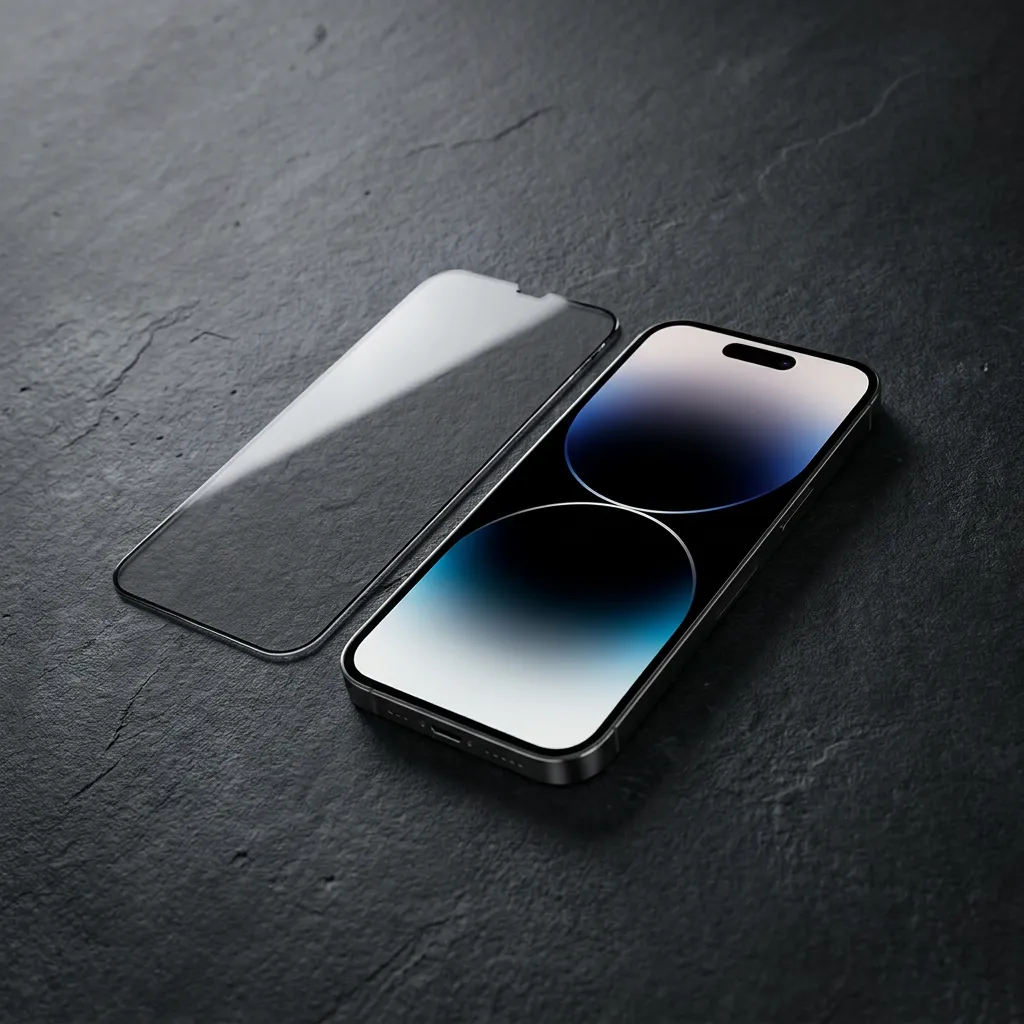
The LUSA DESIGN tempered glass protector with an anti-reflective coating addresses the surface you handle and view through. Its listing describes a glass construction, a coating intended to reduce reflections, and a fitting tray. These features are relevant when you want a replaceable protective surface for a supported iPhone.
They should not be presented as a burn-in treatment. Nor should an AR coating be said to guarantee a particular brightness setting or a longer OLED lifespan. The coating and the underlying display have separate roles.
This keeps a small accessory decision from obscuring a different problem. If your phone needs a display assessment, complete it before applying fresh glass. If the display works normally and you want to protect its front surface, choose the correct LUSA DESIGN model variant for that purpose.
You do not need one purchase to solve every screen concern. Matching the glass to a physical protection need gives you a clear expectation of what it can add to the phone.