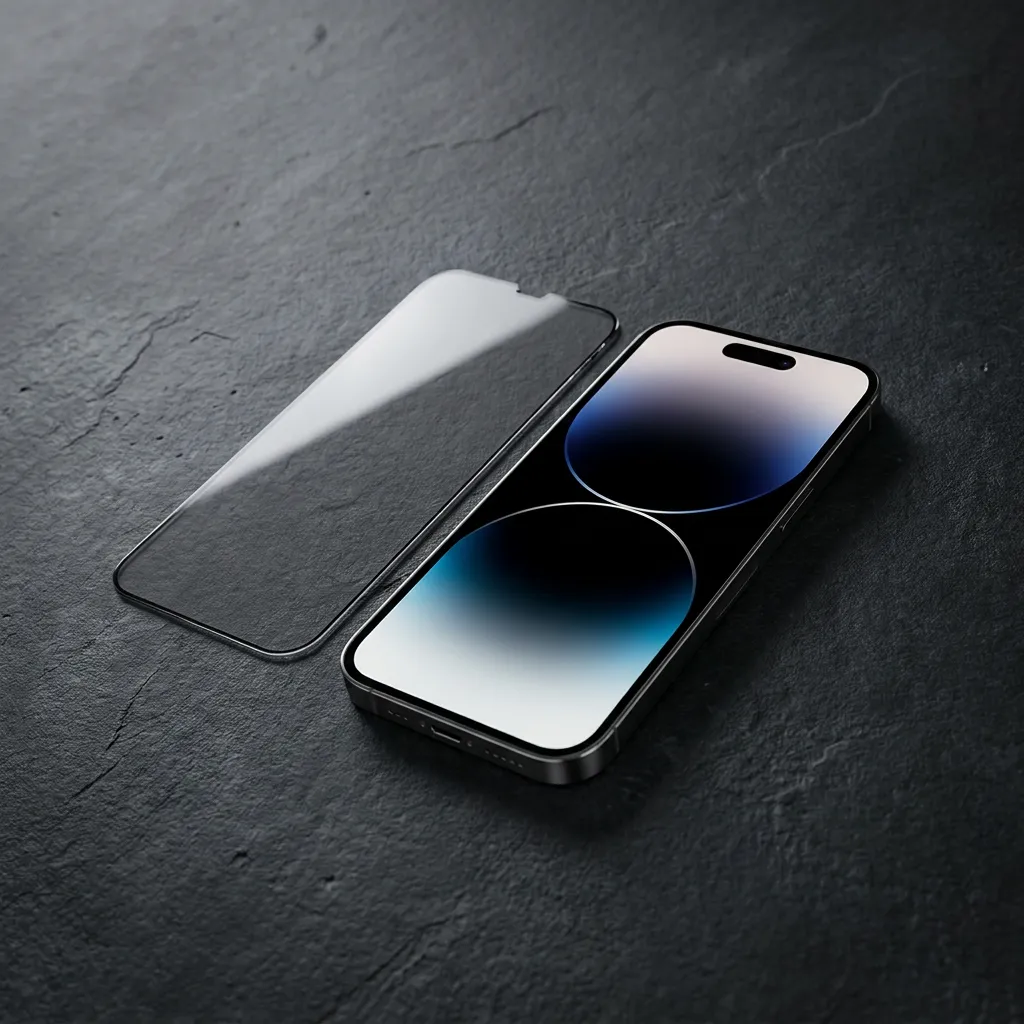
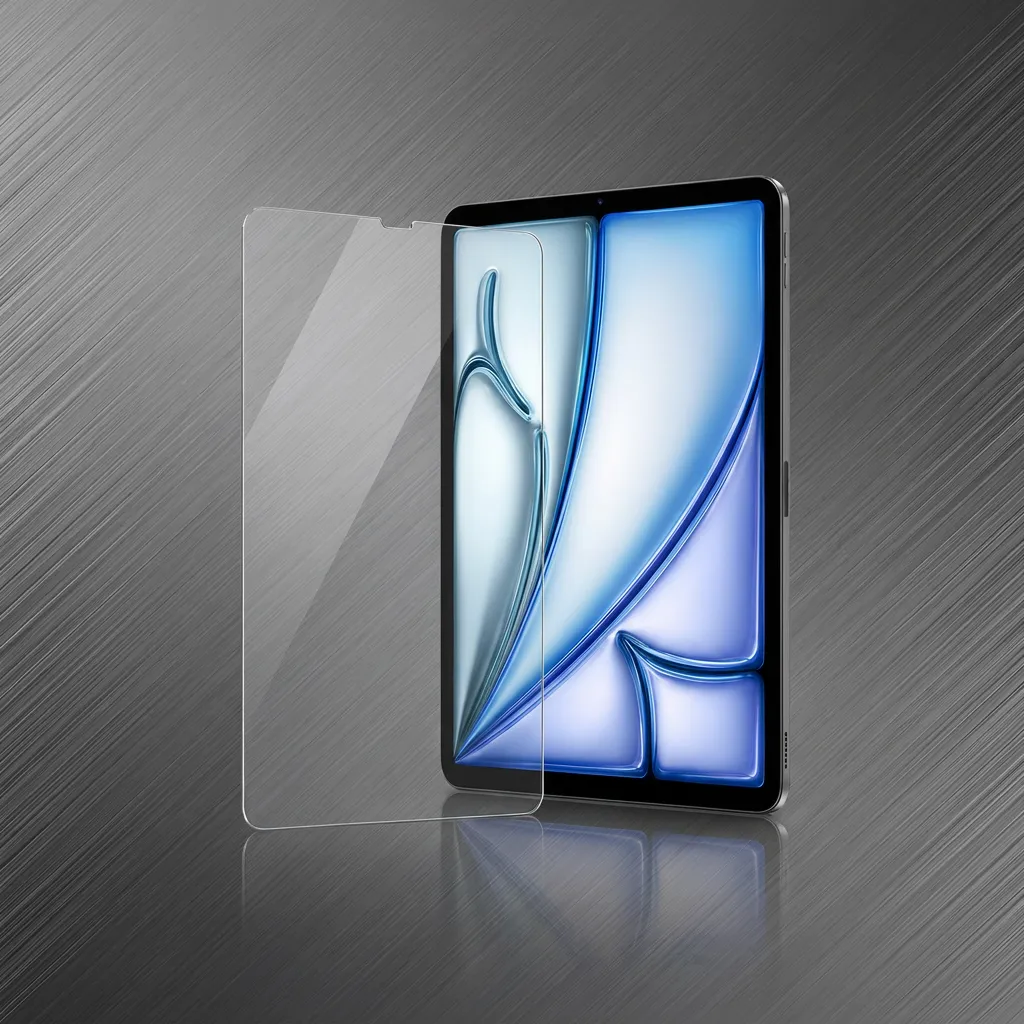
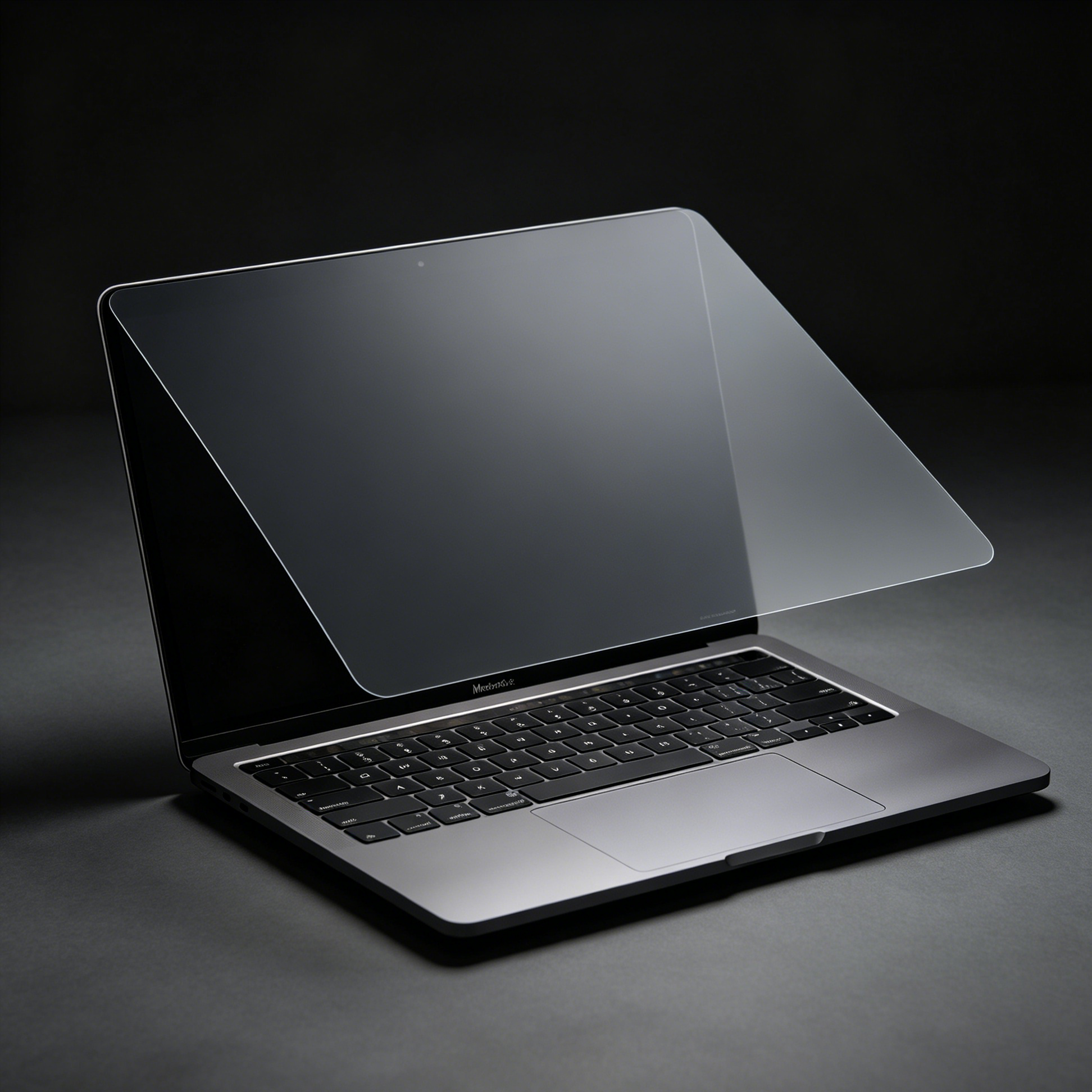
Most people judge a screen protector by what they can see right away.
Is it clear?
Does it fit the phone?
Are there bubbles?
Does it feel smooth?
But with AR screen protectors, the most important part is something you do not really see: the coating.
A good AR film is not just a piece of clear glass. It is a layered surface designed to reduce reflection, keep the screen clean, support smooth touch, and protect the display during daily use.
That invisible coating is what makes the difference.
A phone screen is touched, wiped, carried, exposed to light, and used all day. The surface has to handle more than people realize.
It needs to stay clear under light.
It needs to resist fingerprints.
It needs to feel smooth.
It needs to stay easy to clean.
It needs to keep the display readable.
This is why surface coating is important. It decides how the screen protector feels after a few days of real use, not just how it looks when first applied.
The AR layer is designed to reduce reflected light from the screen surface.
When light hits a normal glass surface, some of it reflects back. This creates glare. AR coating helps control that reflection so the screen looks less mirror-like.
This is especially useful in bright environments. If you use your phone outdoors, near windows, or under strong lighting, the AR layer helps the screen feel more readable.
It does not make the screen immune to all light. That would not be realistic. But it helps reduce the strongest and most distracting reflections.
A screen protector should not make the phone look worse.
Some films reduce glare by using a rougher or matte surface. That can work, but it may also make the screen look slightly grainy. AR film takes a different approach. It aims to reduce reflection while keeping the display clear.
This matters for people who care about screen quality.
If you watch videos, edit photos, play games, read text, or use your phone for work, clarity matters. The screen should still look sharp and natural.
A good AR screen protector should feel like it improves the screen experience, not like it covers it.
Fingerprints are one of the most common complaints about phone screens.
After a few minutes of scrolling, typing, or watching videos, the surface can start to look messy. Under bright light, fingerprints become even more obvious.
Many quality screen protectors use oleophobic coating. This surface treatment helps reduce oil adhesion from fingers. It does not mean fingerprints never appear. They still can. But the marks are usually easier to wipe away.
For daily users, this makes a real difference.
A cleaner screen looks clearer. It also feels more comfortable to use.
Smooth touch is not just a nice extra feature. It affects how the phone feels every time you use it.
You scroll through social media.
You type messages.
You swipe between apps.
You play games.
You watch videos.
You unlock the phone.
If the surface feels sticky or rough, the screen protector becomes annoying very quickly.
A good AR screen protector should feel smooth enough that you almost forget it is there.
This is one of the reasons coating quality matters. The protector should not only look clear. It should feel good under your finger.
Under the surface coating, the protector still needs a stable protective base.
For glass screen protectors, this usually means a tempered glass structure designed for daily scratch resistance and surface protection. For film-based products, the structure may be thinner and more flexible, depending on the device and use case.
The goal is the same: keep the screen safer from daily wear while preserving a good viewing experience.
Protection alone is not enough. Clarity alone is not enough. The product has to balance both.
A screen protector may look simple, but the surface design is not random.
The coating has to work with the base material. It needs to stay clear. It needs to bond well. It needs to feel smooth. It should not make the screen look cloudy, dark, or uneven.
This is where manufacturing quality matters.
LUSA DESIGN describes itself as focused on optical screen protection solutions, with optical technology engineered for clarity, comfort, and durability, and quality standards from material to final product. This product direction fits the kind of layered work required for AR, anti-glare, privacy, and HD screen protection.
You do not need laboratory equipment to notice a better coating. In daily use, you can look for these signs:
These small signs tell you whether the surface treatment is practical.
AR screen protectors are not only about one feature. They are about the whole screen experience.
If the anti-reflective effect is good but the touch feels bad, the product feels unfinished. If the touch is smooth but the screen still reflects too much light, the AR value is weak. If the screen is clear but fingerprints are hard to clean, daily use becomes annoying.
Good coating connects all of these details.
It helps the product feel better every day.
The most important part of an AR screen protector is often the part you do not see.
The coating is what helps reduce glare, keep the display clearer, make the surface easier to clean, and keep touch smooth.
That is why AR film should not be judged only by how it looks in the package. It should be judged by how it performs after a full day of real use.
A good coating does not call attention to itself.
It simply makes the screen feel better.