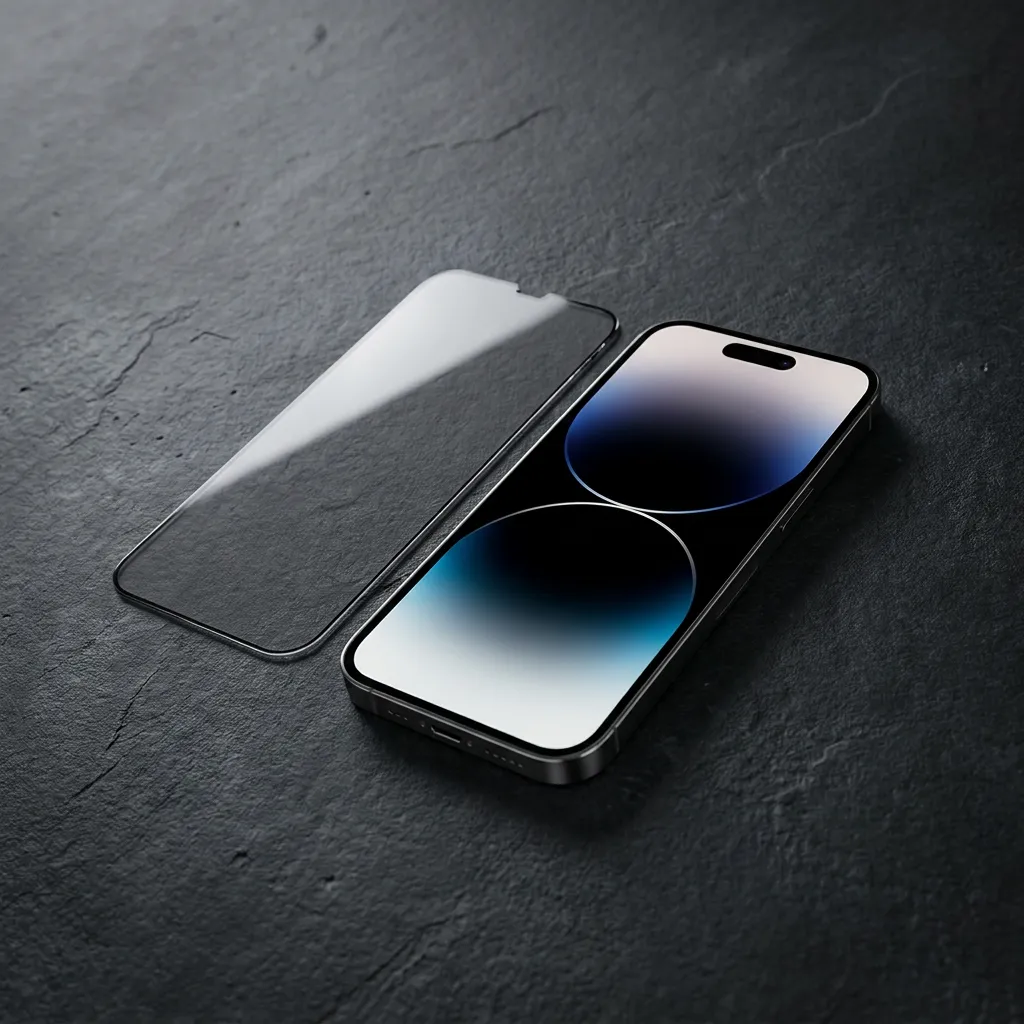
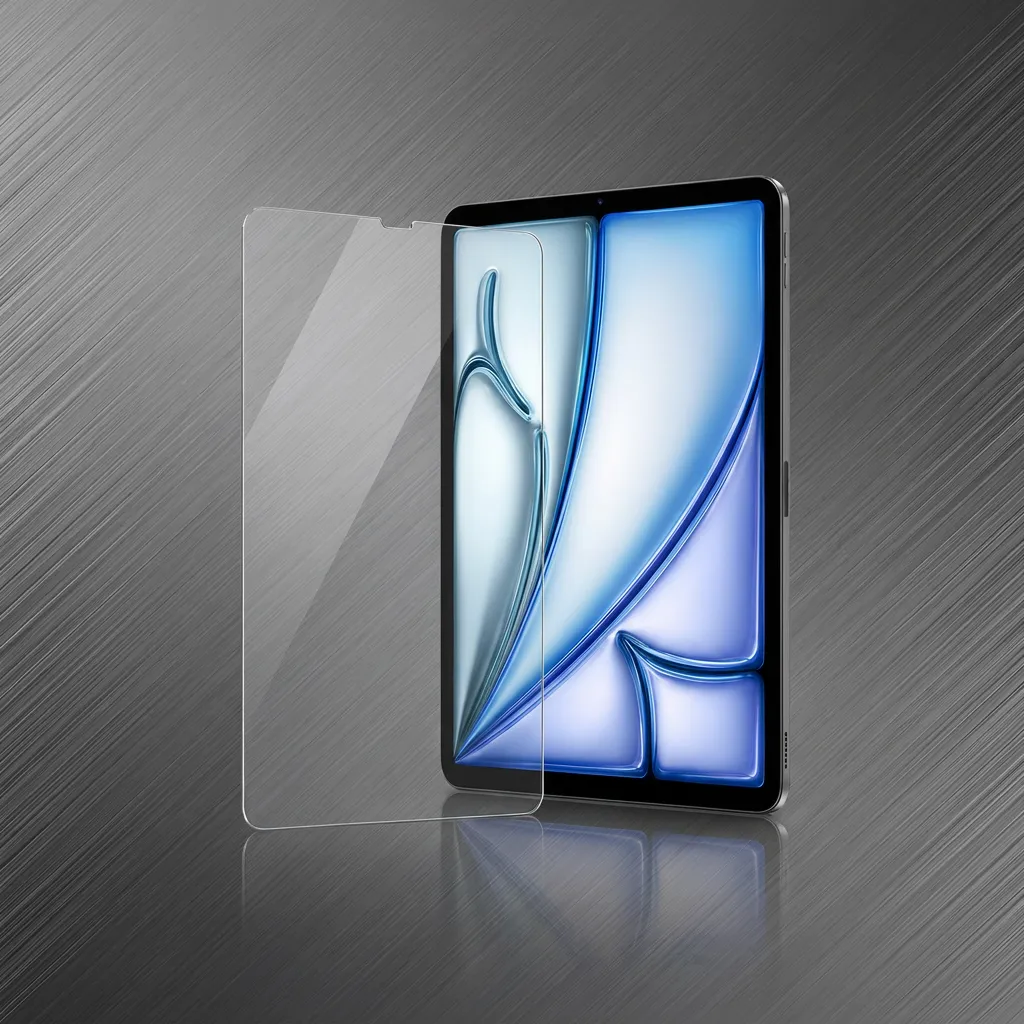
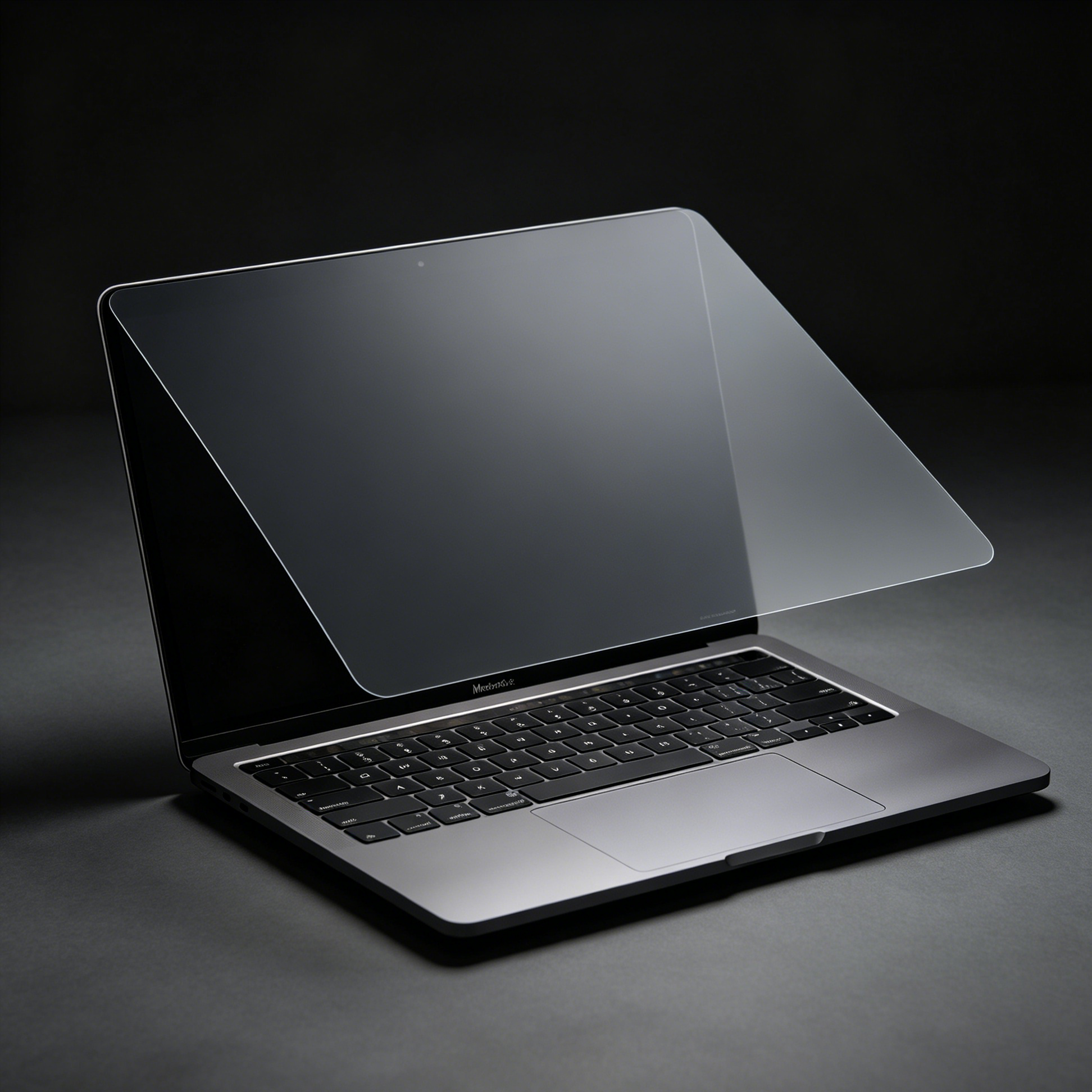
We use phones everywhere — on trains, in coffee shops, at airport gates, in open-plan offices. Every time you unlock your device in public, you are broadcasting your emails, bank apps, and private messages to anyone within line of sight. Shoulder surfing is not just annoying; it is a real security risk.
A privacy screen protector is the simplest, most effective defense. It costs less than a meal yet blocks prying eyes instantly.
Most privacy protectors use micro-louver technology. Imagine thousands of tiny vertical blinds built into the film, each only a few micrometers wide. When you look at the screen straight on, light passes through the gaps between the louvers normally. But from any angle beyond about 28–30 degrees, the louvers block the light path entirely. The result: the screen appears black or dark gold to anyone sitting beside you.
LUSA DESIGN privacy filters use advanced precision-cut micro-louvers that deliver a 28-degree effective viewing angle — narrow enough to block side glances, wide enough for comfortable front viewing even when you tilt the phone slightly.
Not all privacy screens are the same. Here are the main options:
LUSA DESIGN offers all three types across iPhone, Samsung Galaxy, iPad, and MacBook lines.
Honest talk: privacy filters do reduce screen brightness by roughly 15–25% because some light is absorbed by the louver structure. Modern premium filters (like ours) compensate with anti-reflective coatings on both sides, which recovers some of that lost brightness. You might need to bump your display brightness by one notch — a small price for peace of mind.
Do not wait until someone reads over your shoulder. A LUSA DESIGN privacy screen protector takes 60 seconds to install and provides instant, reliable protection. Visit lusafilm.com to find the exact model for your device.