 Why You Need a Camera Lens Protector
Many photographers skip lens protectors, but even minor lens damage is irreversible. Here’s why they’re essential:
1. Scratch & Abrasion Protection
High-quality optical glass still scratches easily from daily use (dirty cloths, rough surfaces, or gear contact). A protector acts as a sacrificial barrier, keeping your lens pristine.
2. Dust, Dirt & Moisture Defense
Dust causes photo spots, while moisture damages internal lens parts. A well-fitted protector seals out these elements, reducing cleaning and damage risk.
3. Impact Shield
Accidental drops or bumps can crack lenses— a sturdy protector adds cushioning, avoiding costly replacements.
4. Preserve Resale Value
A scratch-free lens sells for more. A protector keeps it like-new, maximizing your return when upgrading.
Common Types of Lens Protectors
Different protectors suit different needs—here are the most popular options:
1. UV Filters
The most common choice: transparent, screw-on filters that don’t harm image quality (when high-quality). They offer dual UV protection and lens safety, in various sizes. Pros: Affordable, easy to install. Cons: Low-quality options cause flares—choose a reputable brand.
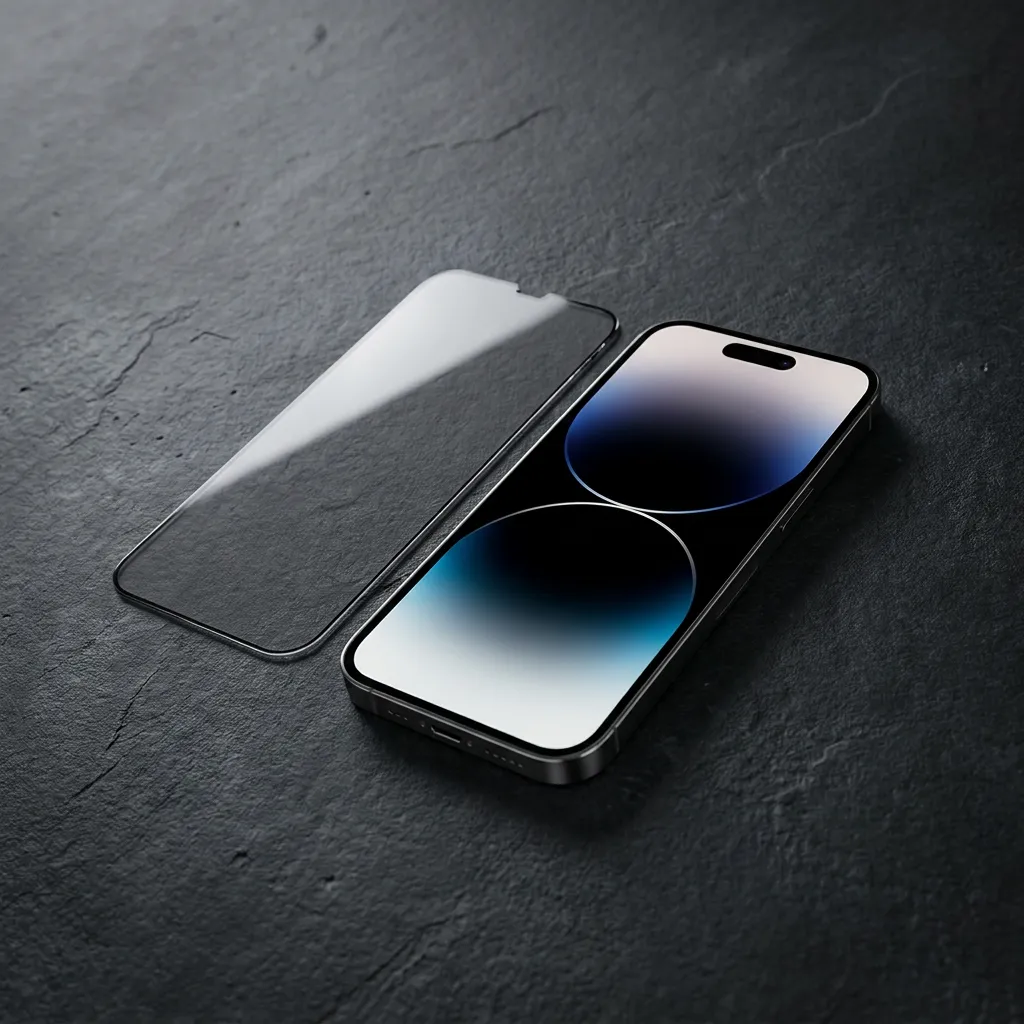
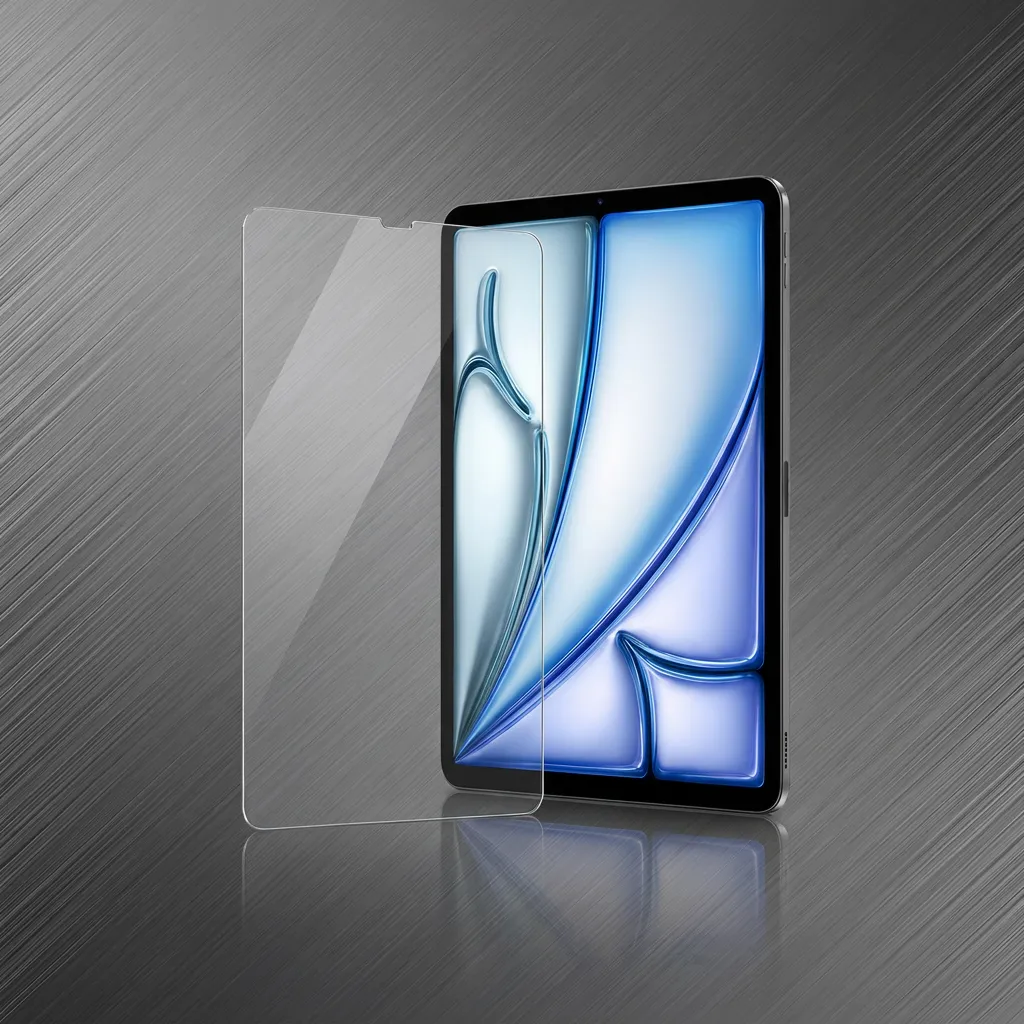
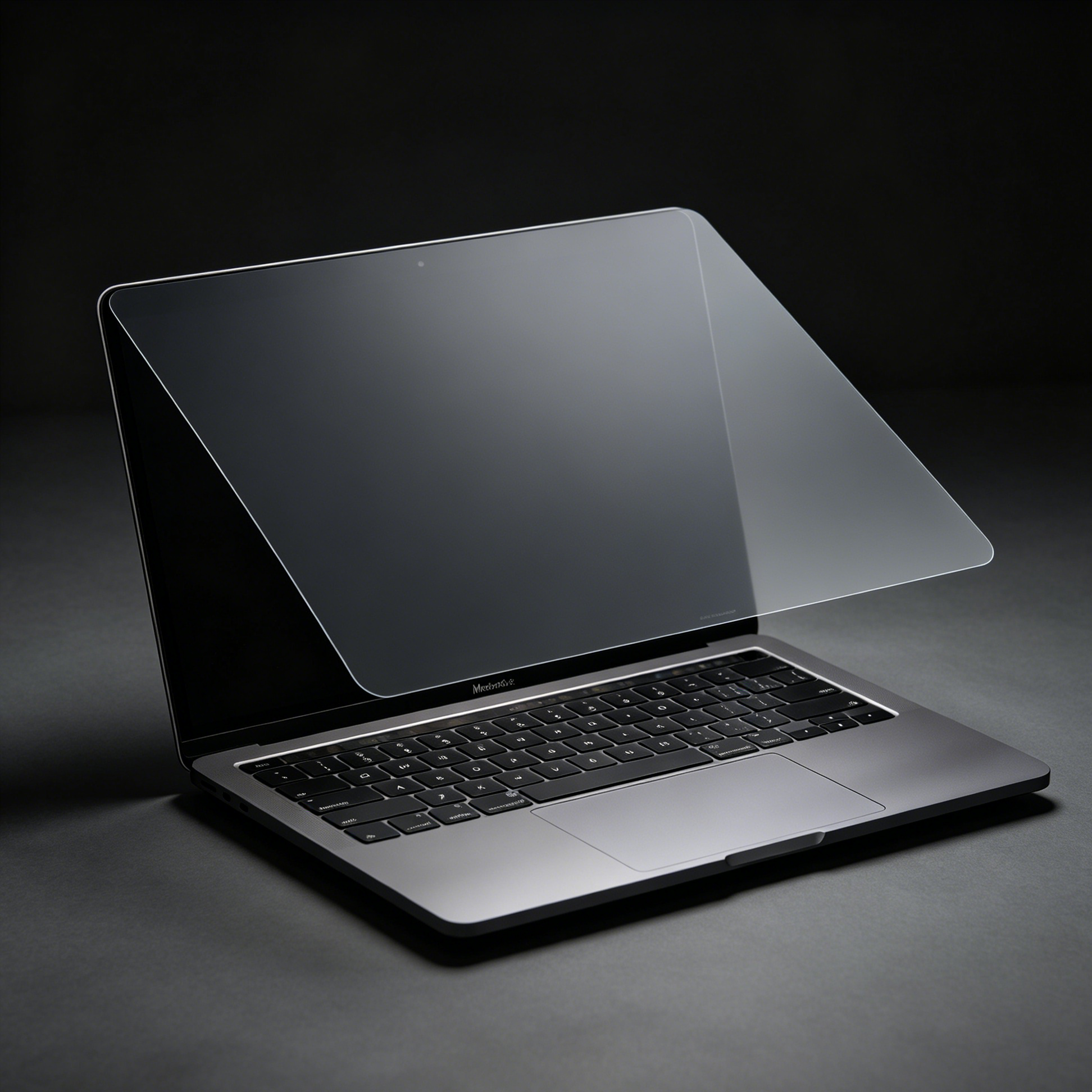
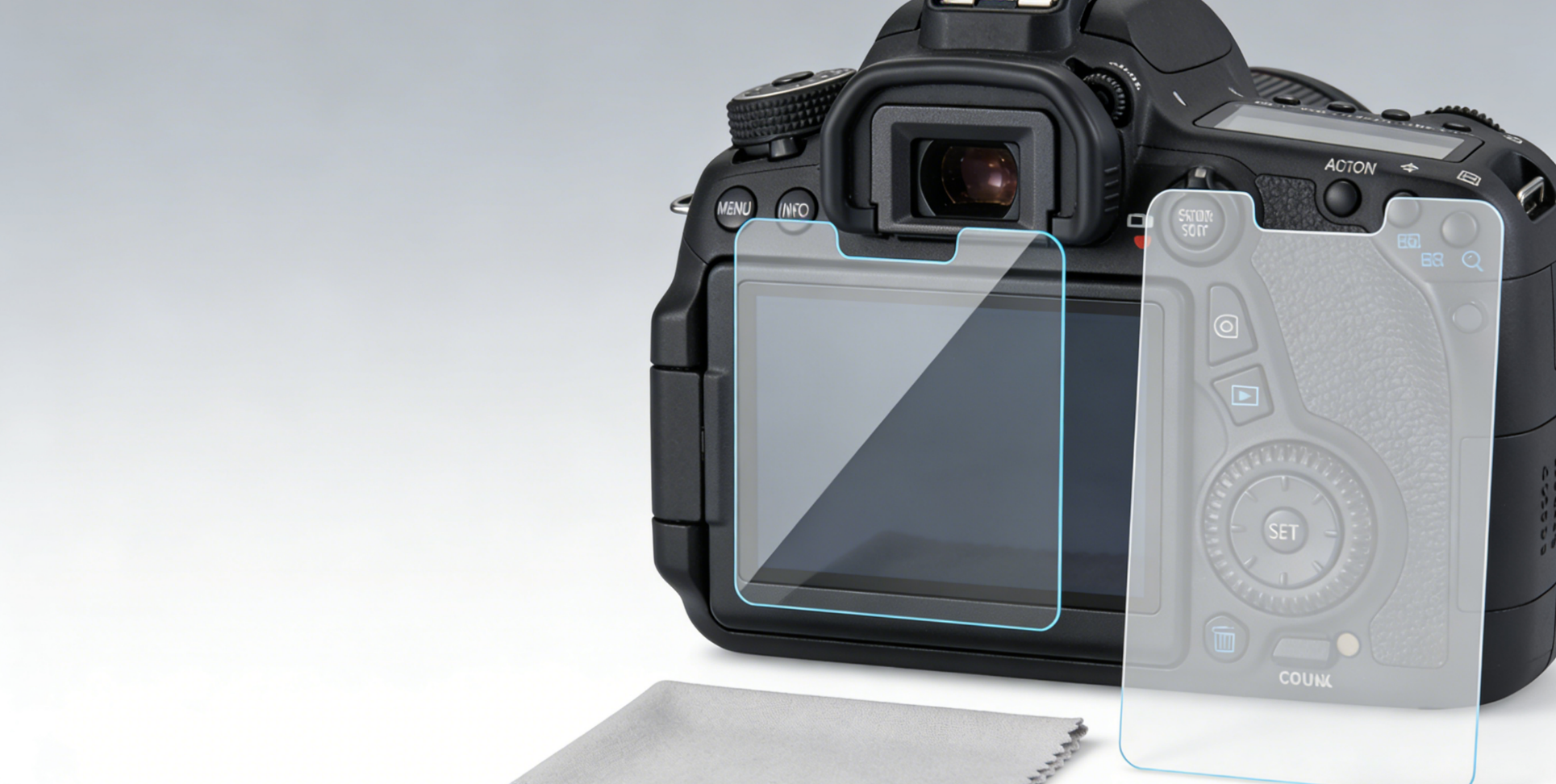
2. Tempered Glass Protectors
Durable, heat-treated glass for heavy impacts and scratches. Thinner than UV filters (great for mirrorless lenses) with anti-reflective coatings. Pros: Scratch-resistant, easy to clean, with alignment tools. Cons: Slightly pricier; not available for all sizes.
3. Lens Caps
Basic but essential for storage/transport (snap-on or screw-on). Must be removed while shooting. Pros: Cheap, lightweight. Cons: No protection during use; easy to lose.
4. Silicone Lens Rings
Flexible rings for lens barrel protection and improved grip (ideal for outdoor use). They don’t protect lens glass. Pros: Affordable, fits most lenses. Cons: Needs an extra protector for glass; thick rings may hinder zoom/focus.
How to Choose the Right Protector
Keep it simple: match the protector to your lens size, choose high-quality glass/tempered glass to avoid image distortion, and pick based on your use case (tempered glass for outdoor use, UV filters for casual use). Prioritize reputable brands—cheap options defeat the purpose. The right protector keeps your lens safe and photos sharp.
 Why You Need a Camera Lens Protector