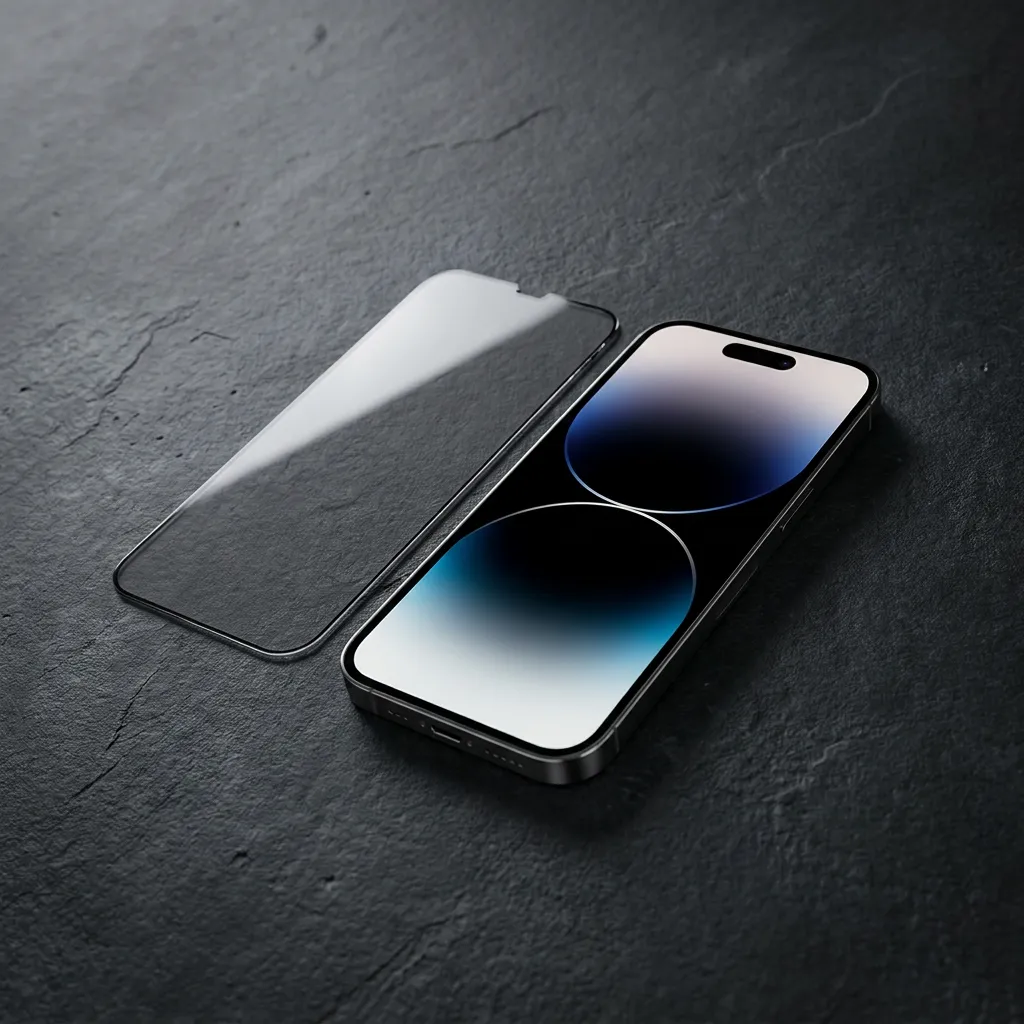
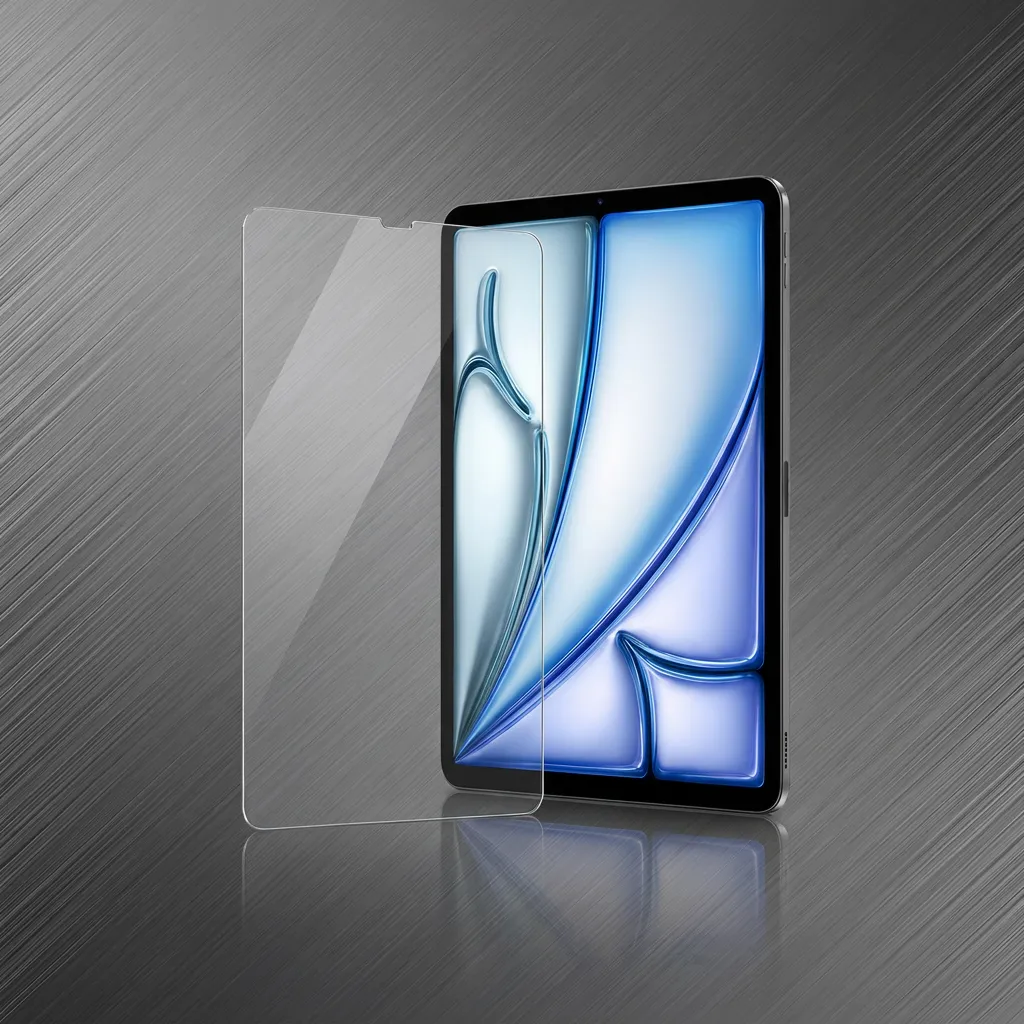
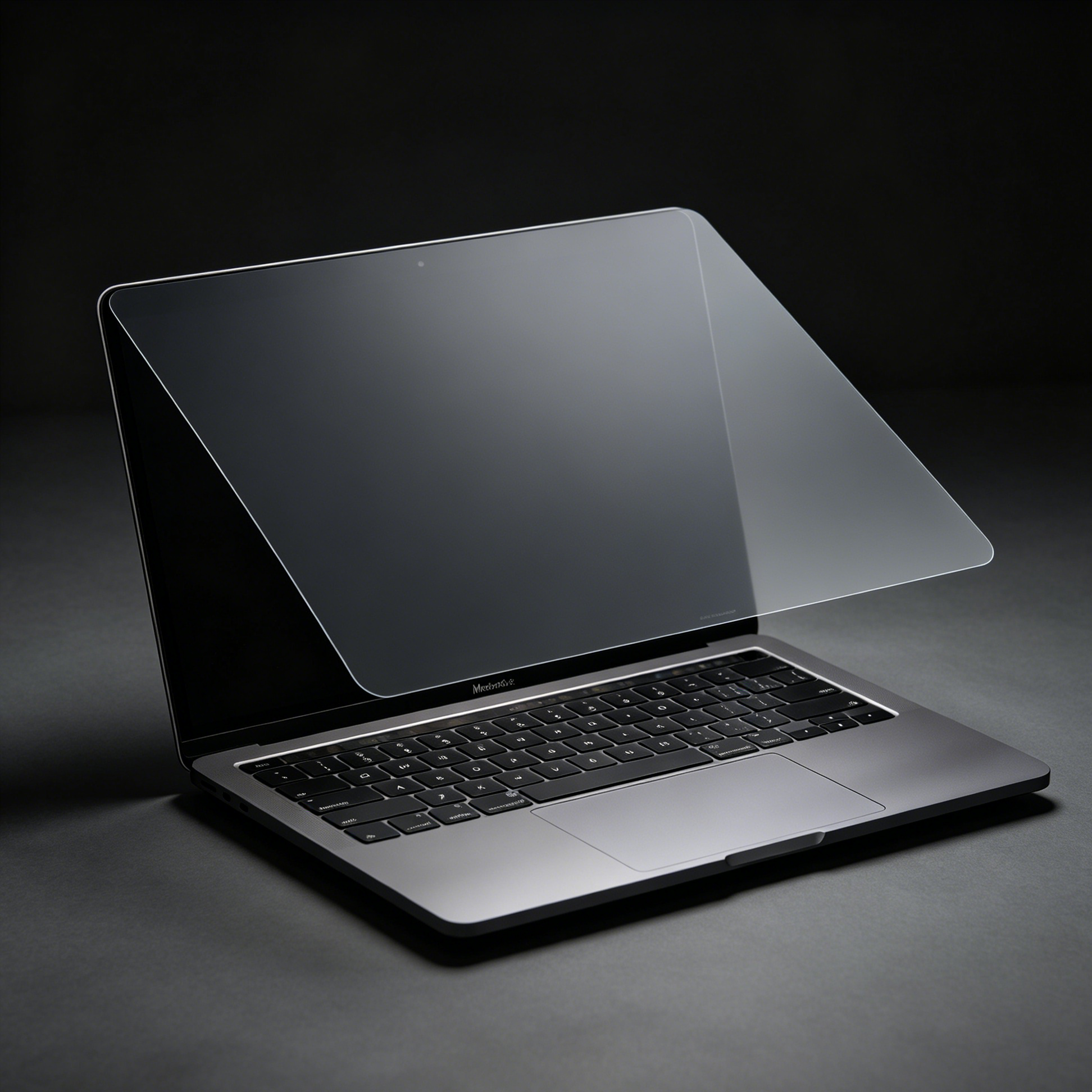
A screen protector can have excellent material, strong glass, and clear coating. But if it installs badly, most users will not care.
Dust under the film.
A large bubble near the edge.
A slight misalignment.
A corner that lifts after a few days.
These small problems make the whole product feel worse.
That is why installation design is part of the screen protector experience. For AR screen protectors, it matters even more because clarity is one of the main reasons people choose them.
A lot of users install screen protectors at home. They are not professionals. They do not want to fight with dust, bubbles, and alignment.
The product should make the process easier.
Good installation design helps the film land in the right position, attach smoothly, and keep the screen clean. When the installation works well, the screen protector feels more trustworthy from the first minute.
This is why dust-free installation kits and alignment trays are useful.
Dust is one of the biggest reasons a screen protector looks bad.
Even one small piece of dust can create a bubble or raised spot. On a clear AR film, that mark can become more visible because the user expects a clean, high-clarity screen.
Dust also affects the feeling of quality. A user may blame the product, even if the real problem happened during installation.
That is why dust control is not a small detail. It directly affects the final result.
A dust-free installation system usually uses tools such as:
The goal is to reduce the chance of dust getting trapped and make the film easier to position.
A good tray helps the protector align with the phone. A good cleaning process removes oil and dust before application. A good adsorption layer helps the film settle smoothly onto the screen.
Together, these details make the installation feel easier and cleaner.
Fast adsorption is the moment users often notice on video.
You place the film on the screen, press lightly, and the protector starts attaching by itself. The adhesive spreads across the screen smoothly.
This does not mean the user should rush. Proper cleaning and alignment still matter. But once the film is positioned correctly, fast adsorption helps the installation feel controlled.
It also makes the product look more premium.
A smooth install gives users confidence.
AR film is all about visibility. It is made to reduce glare and keep the screen clear.
If dust or bubbles appear under the film, they interrupt the viewing experience. Even if the AR coating works well, the user may focus on the installation flaw instead.
That is why installation and AR performance are connected.
A clean installation allows the AR coating to show its real value. Less glare, clearer view, smoother touch — all of those features feel better when the film is applied properly.
A screen protector should not only look good in the center. The edges matter too.
Poor edge fit can lead to lifting, dust collection, and an uncomfortable feel when using a case. It can also make the phone look bulky.
A better screen protector should sit close to the phone. The edges should feel smooth. The film should stay stable during daily use.
For users, this means:
The edge is where many low-quality protectors fail. A good one pays attention to it.
Full coverage is important because users want the screen protected in real life, not just in the center.
Phones are placed in bags, pockets, cars, desks, and public spaces. The edges can easily touch hard surfaces. A well-fitted protector gives users more confidence during normal use.
That does not mean a screen protector makes a phone unbreakable. It means it adds a practical protective layer for daily use.
Good protection should feel realistic, not exaggerated.
After a good installation, users usually notice these things:
The screen looks clean.
There are fewer bubbles.
The edges look flat.
Touch feels normal.
The phone still looks slim.
The screen is easier to wipe.
The protector feels like part of the phone.
That last point is important. The best screen protector does not feel like an extra object. It feels integrated.
LUSA DESIGN’s homepage shows screen protector products with dust-free install and 10s dust-free install tray positioning, including AR anti-reflective privacy and HD anti-reflective iPhone products. The site also highlights AR film application installation as a learning video topic.
This is a useful direction because installation is one of the biggest customer pain points in the screen protector category.
Users do not only want better coating. They want the product to install cleanly.
A clean installation can change how users feel about a screen protector.
Even a good AR film can look disappointing if dust, bubbles, or lifted edges get in the way. A well-designed installation system helps the product show its real performance.
For AR screen protectors, clean installation is not just convenience. It protects the whole viewing experience.
Clear coating needs a clean install.
Smooth touch needs a stable fit.
Daily protection needs edges that stay down.
That is why dust-free installation matters.