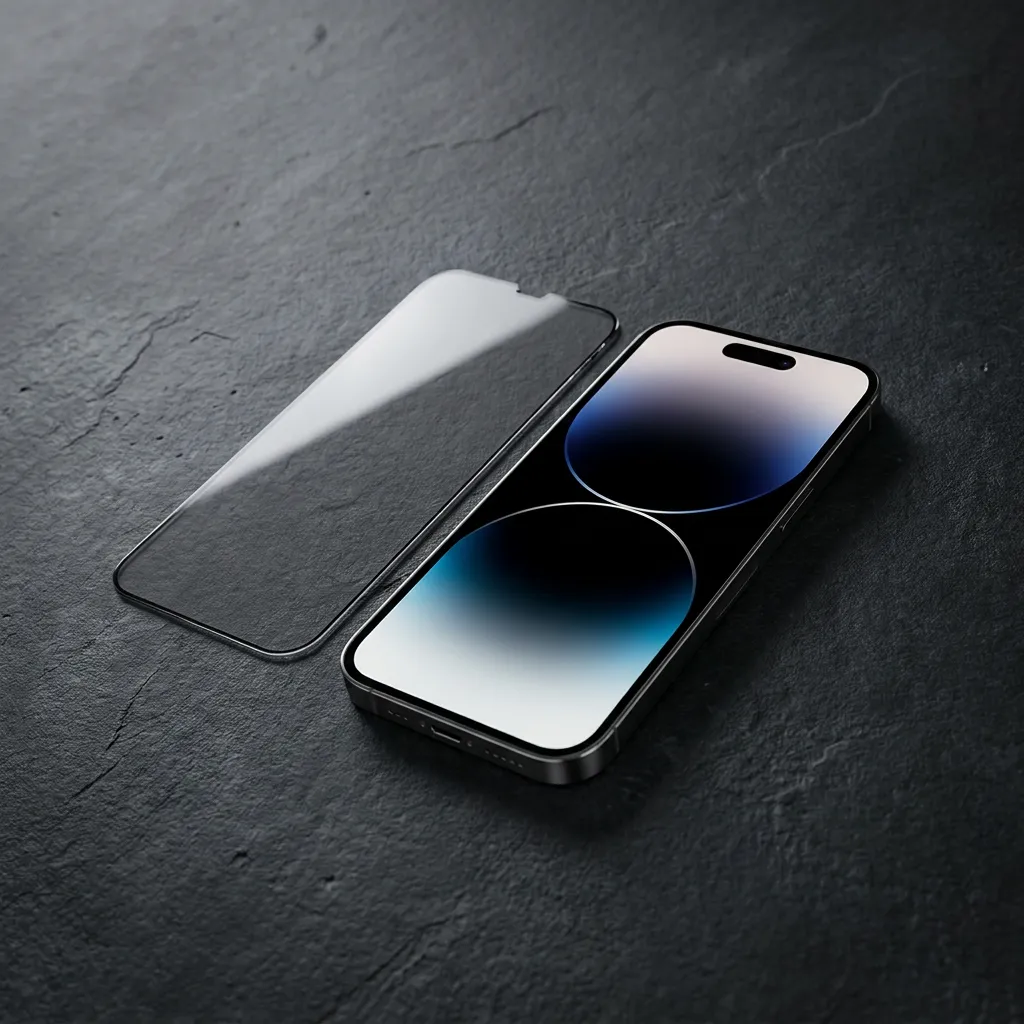
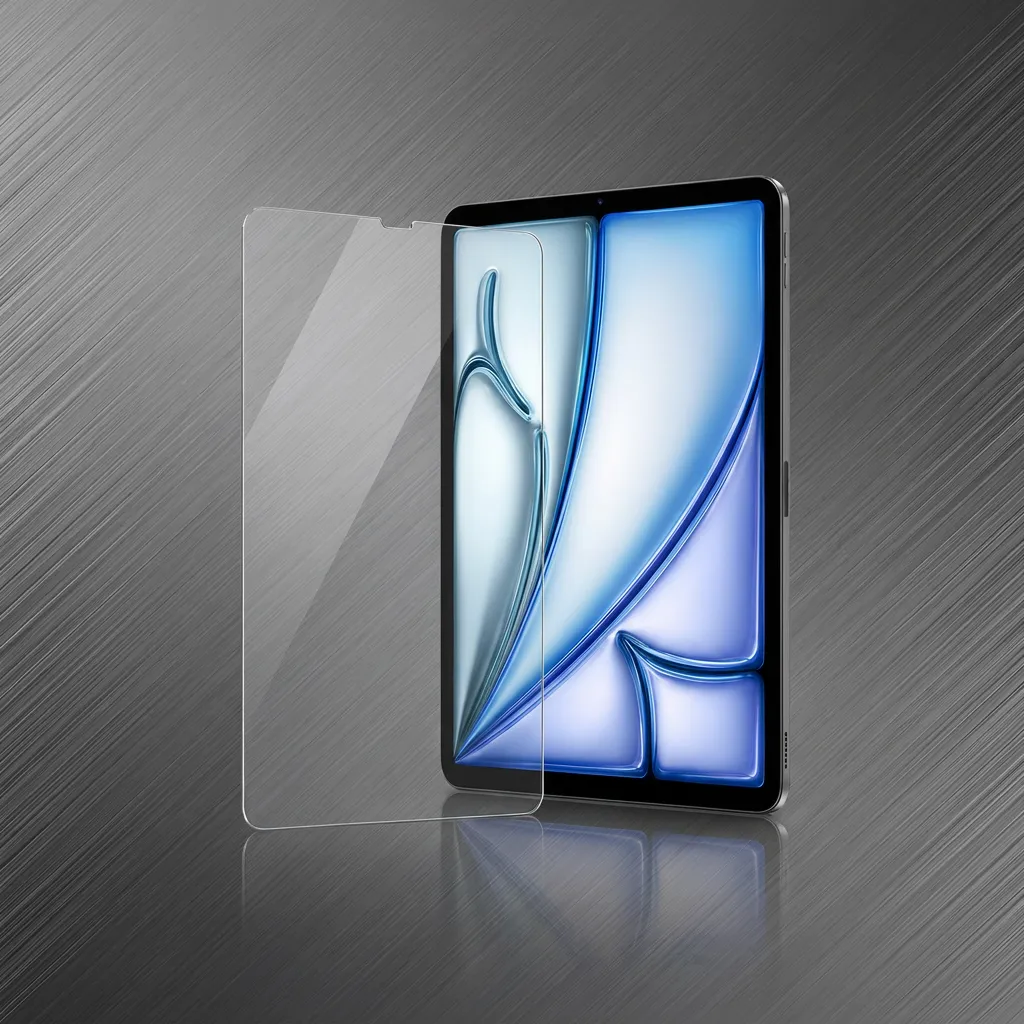
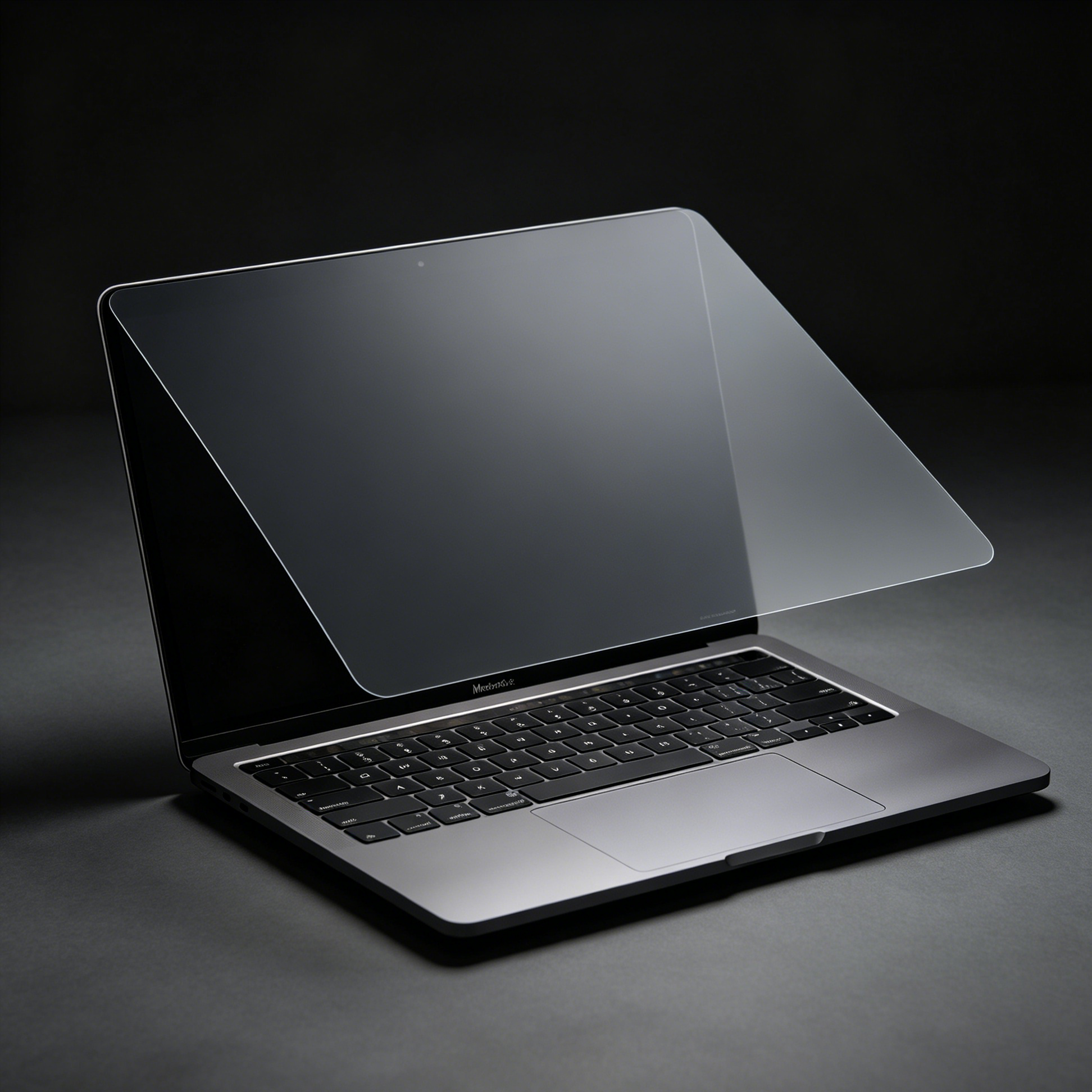
A privacy screen protector does not contain electronics and does not consume battery power by itself.
However, some privacy protectors reduce the amount of display light that reaches your eyes. If the screen looks darker, you may increase the phone’s brightness to compensate. Higher display brightness can increase battery consumption.
The protector therefore has no direct electrical drain, but it may have an indirect effect through brightness settings and viewing behavior.
A standard clear protector is designed to transmit as much screen light as possible across a wide viewing range.
A privacy protector adds an optical filtering structure. This structure narrows the viewing angle so that the display remains visible from the front while appearing darker from the side.
The stronger the privacy effect, the more important frontal alignment becomes.
When you hold the phone directly in front of your face, a well-designed privacy protector should provide a usable image. When you tilt the phone or view it from the side, the filter blocks more light.
This is the intended privacy function. It also explains why a privacy protector may appear darker than standard clear glass.
The display is one of the phone components that consumes energy during active use.
Apple states that high screen brightness uses significant energy and recommends reducing brightness or using automatic brightness to improve battery life.
If you install a privacy protector and increase brightness from a moderate setting to a consistently high setting, battery usage may rise.
The actual difference depends on:
A person who checks messages for a few minutes at a time may notice little change. Someone who watches videos, navigates outdoors, or works on the phone for several hours may notice a larger difference.
No.
Privacy protectors can vary substantially in:
A strong four-direction privacy protector may block viewing from the left, right, above, and below. This can create a more restrictive viewing experience than a two-direction protector that primarily limits left and right side viewing.
A darker product is not automatically a better privacy product. The useful goal is to achieve adequate side-view protection while preserving acceptable frontal clarity.
Privacy performance cannot be evaluated from a single product photo.
A product may look extremely dark from the side because:
The same product may also look darker from the front than a customer expects.
When comparing privacy protectors, evaluate both sides of the experience:
A balanced privacy protector should protect information from casual side glances without making normal phone use unnecessarily difficult.
An AR privacy screen protector combines privacy filtering with a surface treatment designed to reduce reflections.
This can be useful because ambient reflections also reduce perceived contrast. A phone may look difficult to read outdoors even when its display is producing sufficient light because the screen is reflecting the sky, windows, or overhead lamps.
Reducing reflections can make displayed content easier to distinguish under bright conditions. However, AR performance does not remove the light loss created by the privacy structure itself.
The two functions address different problems:
A well-designed combination can improve the overall viewing experience, especially in offices, public transportation, cafés, and bright indoor environments.
Avoid relying on a single day of battery use. Phone battery consumption changes with signal strength, applications, background activity, navigation, camera use, updates, and temperature.
Use a simple comparison.
Before installation, note:
Use the same applications and similar daily routine for several days.
This is the most important variable.
If the protector caused you to move the brightness slider much higher, it may be indirectly increasing display energy use.
Check the phone’s battery settings. Look at screen-on time and application usage rather than only the remaining percentage.
Evaluate the screen:
A protector may feel perfectly bright indoors and require more brightness outdoors.
Automatic brightness can prevent the display from remaining unnecessarily bright in dark or moderate lighting.
Privacy filters become darker when viewed at an angle. Tilting the phone may lead you to increase brightness even though the problem is the viewing position.
Applications with large white backgrounds can be visually intense at high brightness. Dark Mode may reduce the amount of bright content shown on compatible displays and may improve viewing comfort.
Maximum brightness is rarely necessary in a normal indoor environment.
A user who only needs side-view privacy on public transportation may prefer a two-direction privacy protector.
A user handling highly sensitive information may accept the stronger viewing restrictions of four-direction privacy.
An AR privacy protector may improve perceived readability in reflective environments, allowing the screen to remain usable without constantly fighting visible reflections.
A privacy protector is especially useful for people who regularly use their phones in shared spaces.
Common use cases include:
Privacy glass is designed to reduce casual visual exposure. It does not replace passwords, Face ID, fingerprint authentication, device encryption, or safe data-handling practices.
A clear AR protector may be more suitable when the main priorities are:
A privacy protector intentionally limits viewing angles. A clear AR protector is intended to preserve a more open and natural display appearance.
The correct choice depends on the problem you need to solve.
No. It contains no powered components.
Any battery impact comes from increasing display brightness or changing how long and how intensely the screen is used.
Most privacy protectors reduce visible light to some degree. The amount varies by design, privacy angle, materials, and manufacturing quality.
Using higher brightness increases energy consumption. Battery aging is affected by a wider combination of factors, including temperature, charge cycles, charging patterns, and overall use.
It provides privacy across more viewing directions, but it may also create a more restrictive front-view experience.
More privacy is useful only when it matches your actual environment.
Stacking two protectors is generally a poor solution. Additional layers can reduce clarity, brightness, adhesive performance, and touch responsiveness. An integrated AR privacy product is preferable when both functions are required.
Check whether:
A privacy screen protector does not directly drain the battery. The practical issue is whether the protector makes you use a higher brightness setting for longer periods.
Evaluate frontal clarity, viewing angle, reflection control, and daily environment together.
For commuters and professionals handling private information, a balanced privacy protector can provide meaningful protection from casual side viewing. For users who prioritize maximum brightness and wide-angle clarity, clear AR glass may be the more suitable option.
Explore LUSA DESIGN privacy and AR screen protectors to find the viewing experience that fits your device and daily routine.