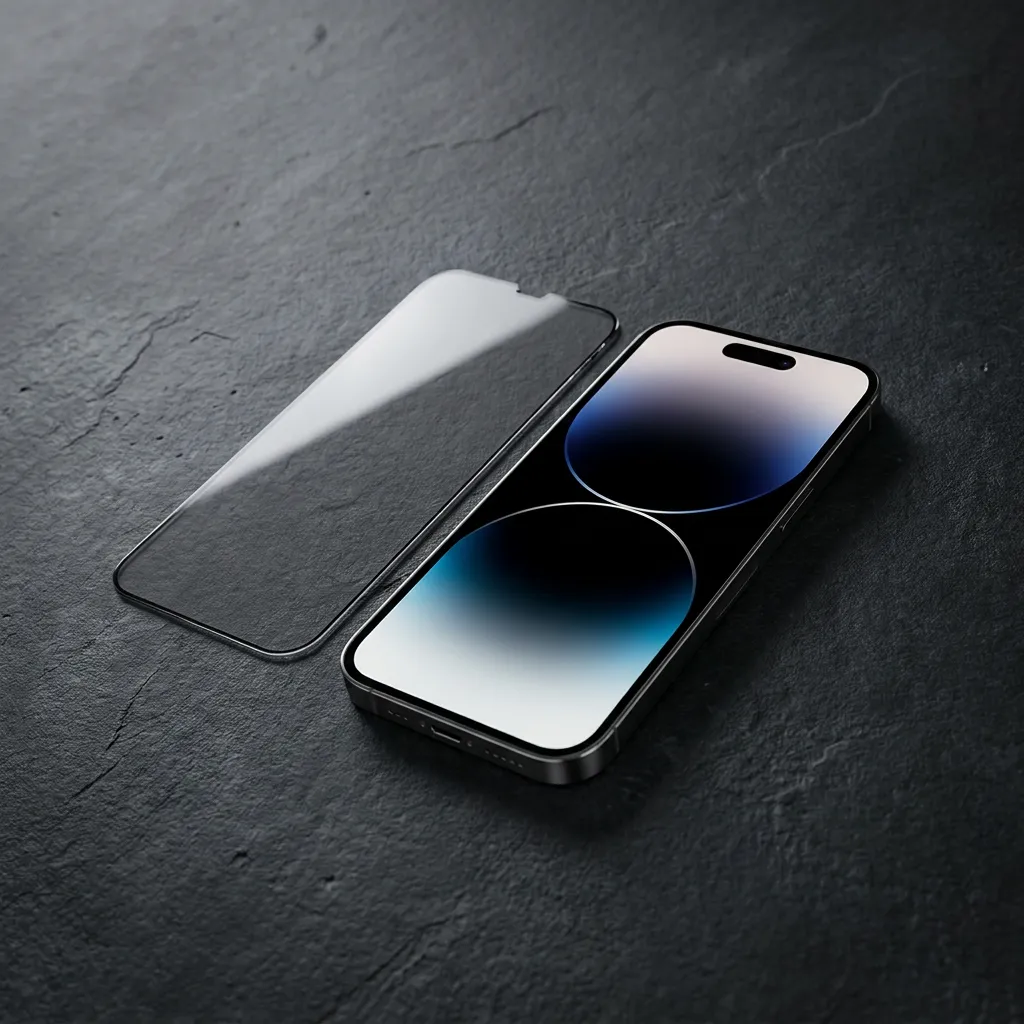
When choosing a screen protector, many users focus on hardness, clarity, or price. But one detail is just as important: the fit.
Two common options are full coverage screen protectors and case-friendly screen protectors. They may look similar, but they are designed for different phone setups.
Choosing the wrong one can lead to lifted edges, dust buildup, or poor installation results.
A full coverage screen protector is designed to cover as much of the front screen area as possible.
It usually reaches closer to the curved or edge area of the phone. This creates a cleaner, more seamless look after installation.
Full coverage protectors are often preferred by users who want the screen to look fully covered and protected.
Full coverage can offer:
If you do not use a thick phone case, full coverage can be a good option.
The main issue is case compatibility.
Some phone cases press against the edge of the screen protector. If the protector is too wide, the case may lift the edge and create bubbles or gaps.
This is why full coverage is not always the best choice for people who use thick or rugged cases.
A case-friendly screen protector is slightly smaller around the edges. It leaves a small gap between the protector and the phone case.
This gap helps prevent the case from pushing against the protector.
The goal is not to cover every millimeter of glass. The goal is to create a better fit with your phone case.
Case-friendly designs are useful if you:
For many users, this is the safer choice.
Choose full coverage if:
Choose case-friendly if:
There is no single best choice for everyone. It depends on your case and how you use your phone.
Even the right screen protector can look bad if installed poorly.
Before installation, make sure the screen is clean and dust-free. Align the protector carefully and check the edges before pressing it down.
A dust-free installation tray or alignment tool can make the process much easier, especially for users who often struggle with bubbles or dust.
Full coverage and case-friendly screen protectors both have value.
Full coverage looks cleaner and covers more of the front surface. Case-friendly protectors work better with many phone cases and help reduce edge lifting.
If you use a protective case every day, case-friendly may be the more practical option. If you prefer a clean edge-to-edge look with a slim case, full coverage may be better.
LUSA DESIGN screen protectors are designed to support clear viewing, smooth touch, and practical daily protection for different phone use habits.