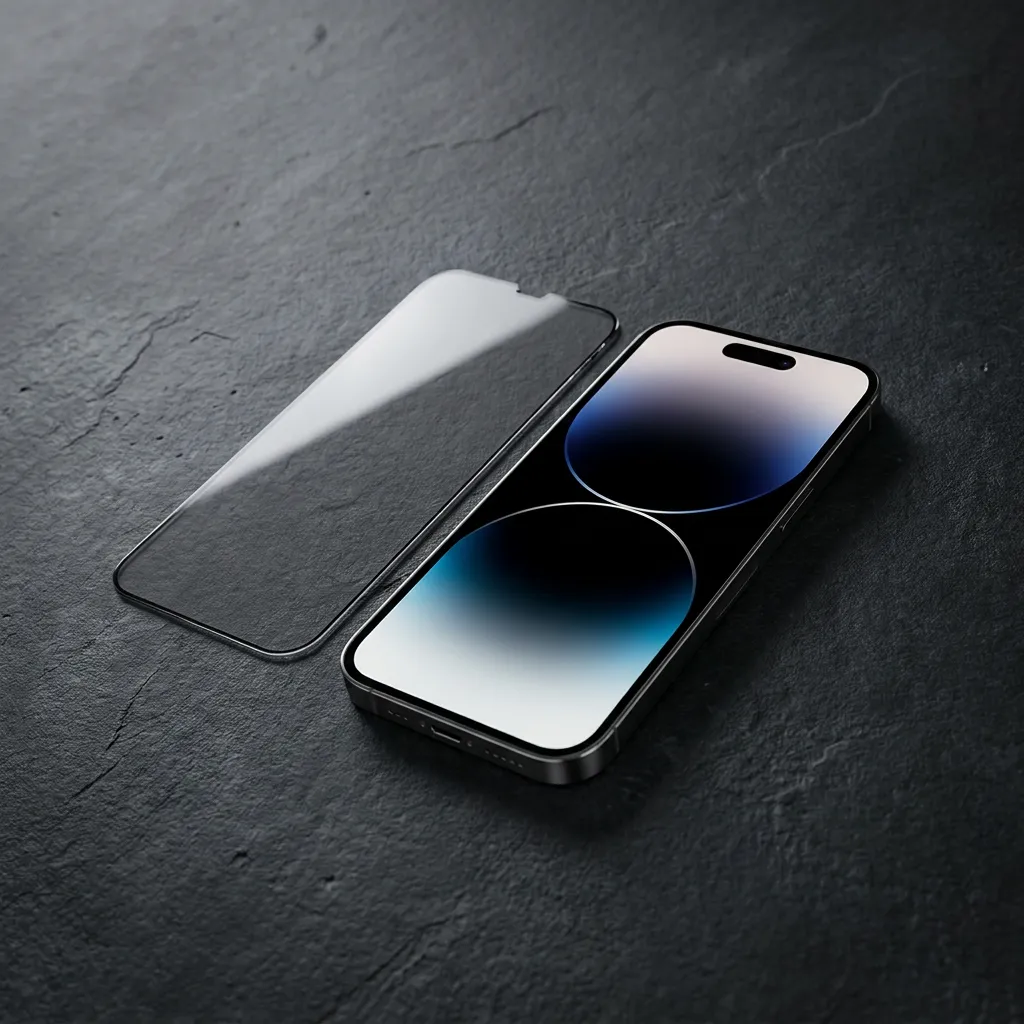
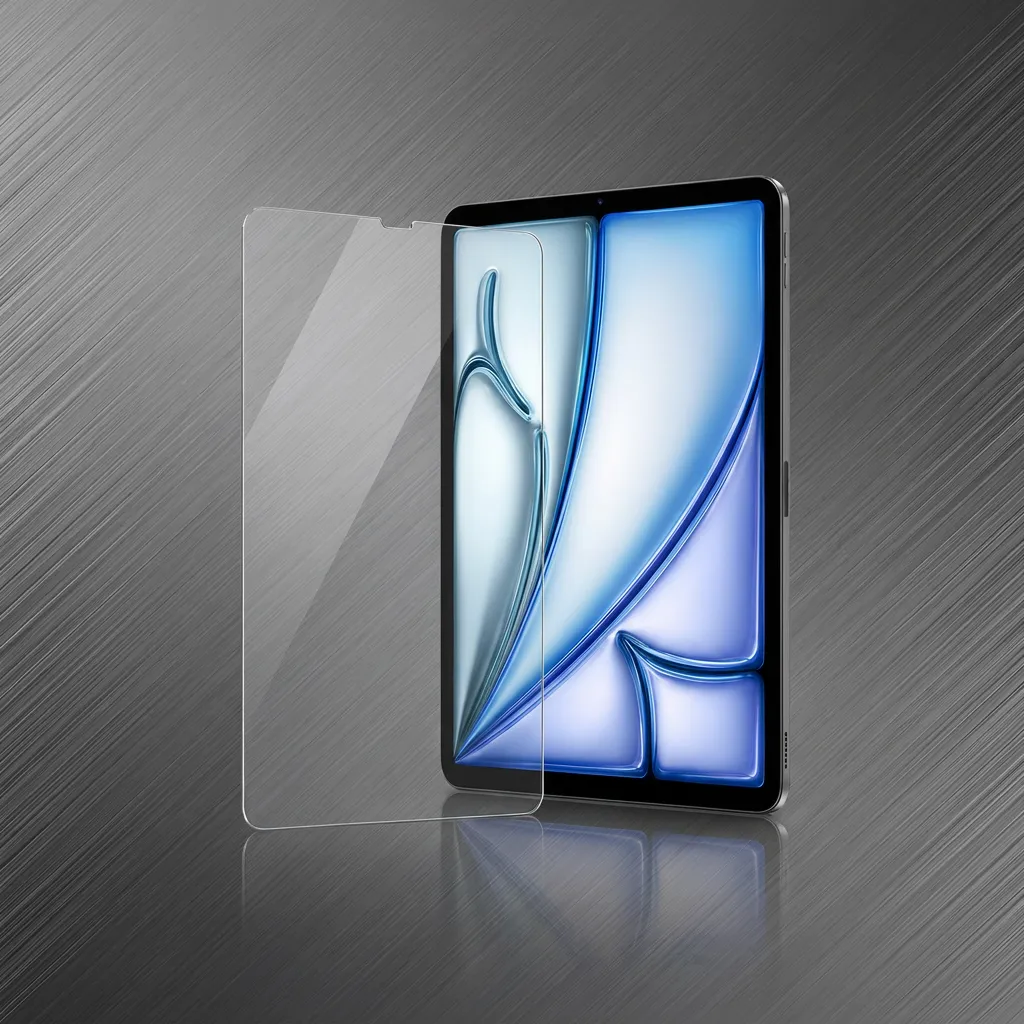
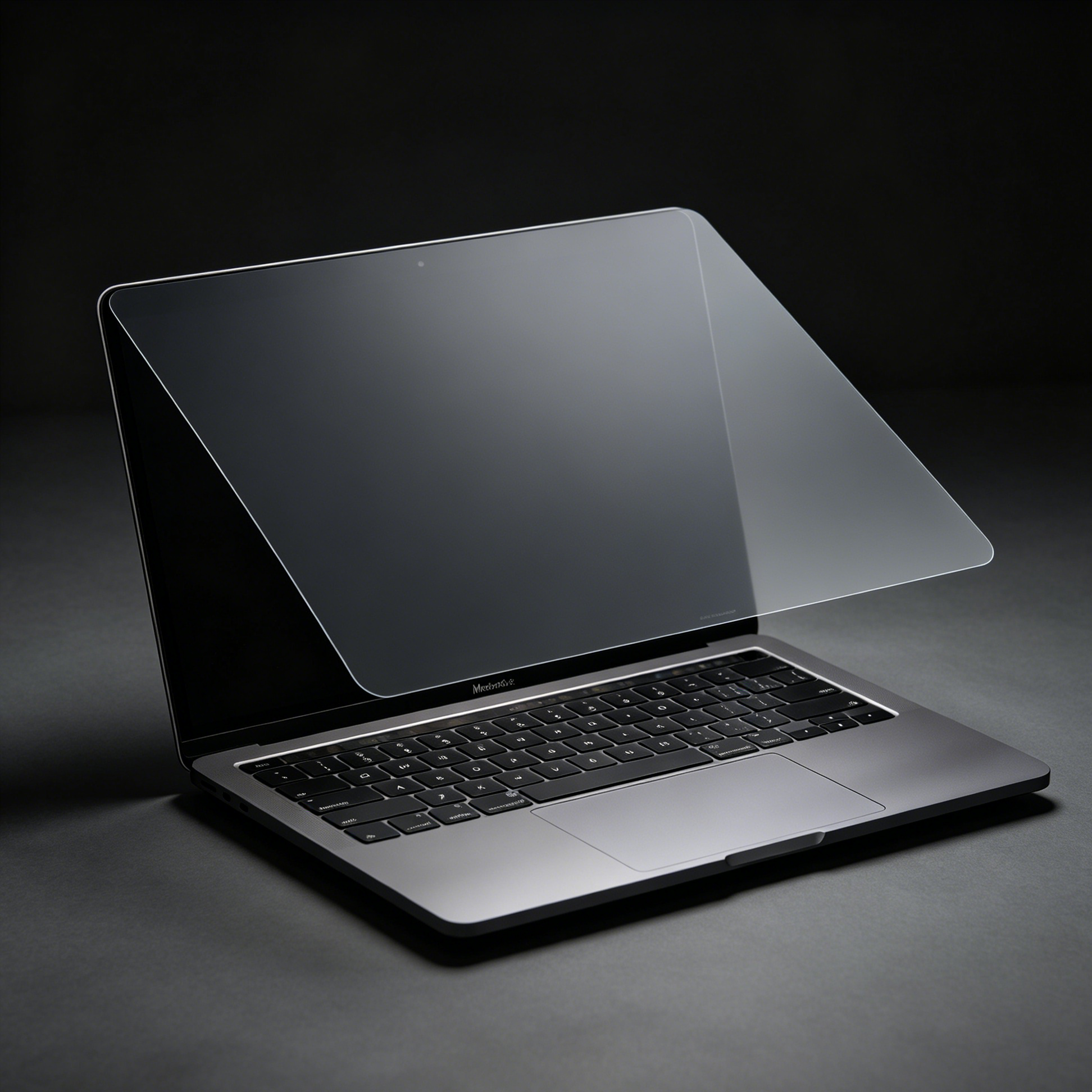
When shopping for a tempered glass screen protector, you will often see the term “9H hardness.”
It sounds strong, and many people assume it means the protector will never scratch or break. But that is not exactly what 9H means.
Understanding this term can help you choose a screen protector with more realistic expectations.
In the screen protector industry, 9H usually refers to pencil hardness testing.
It means the surface is designed to resist scratches from a 9H pencil under certain test conditions. This is commonly used to describe surface hardness in coatings, glass protectors, and films.
However, 9H does not mean the screen protector is unbreakable.
It also does not mean it can resist every sharp object or every kind of impact.
A 9H tempered glass screen protector can help protect against many common daily scratches.
For example:
This makes it useful for everyday phone protection.
The screen protector acts as an extra layer between your phone screen and the outside environment.
It is important not to misunderstand 9H.
9H does not mean:
A tempered glass screen protector is still glass. It can crack under enough pressure or impact. In many cases, this is actually part of its job: the protector may absorb damage before your phone screen does.
Even though 9H is not a magic shield, tempered glass is still useful.
It helps reduce the risk of daily scratches and gives your phone screen an extra protective layer. Replacing a screen protector is usually much easier and cheaper than replacing a phone screen.
For users who carry their phones every day, this protection is practical.
Surface hardness and impact protection are not the same thing.
Surface hardness is mainly about scratch resistance.
Impact protection is about how the material handles pressure, drops, or hits.
A good screen protector should balance both. It should have a hard surface for daily scratches, but also be properly made so it does not feel brittle or poorly fitted.
Do not choose a screen protector based only on 9H.
Also consider:
A screen protector is something you use every day, so the experience matters as much as the hardness rating.
9H hardness is a useful feature, but it should be understood correctly.
It means the screen protector is designed to resist daily surface scratches. It does not mean the protector is impossible to break or scratch under all conditions.
A good tempered glass screen protector should provide daily protection while keeping the screen clear, smooth, and comfortable to use.
LUSA DESIGN tempered glass screen protectors are made for everyday protection, clear viewing, and smooth daily phone use.