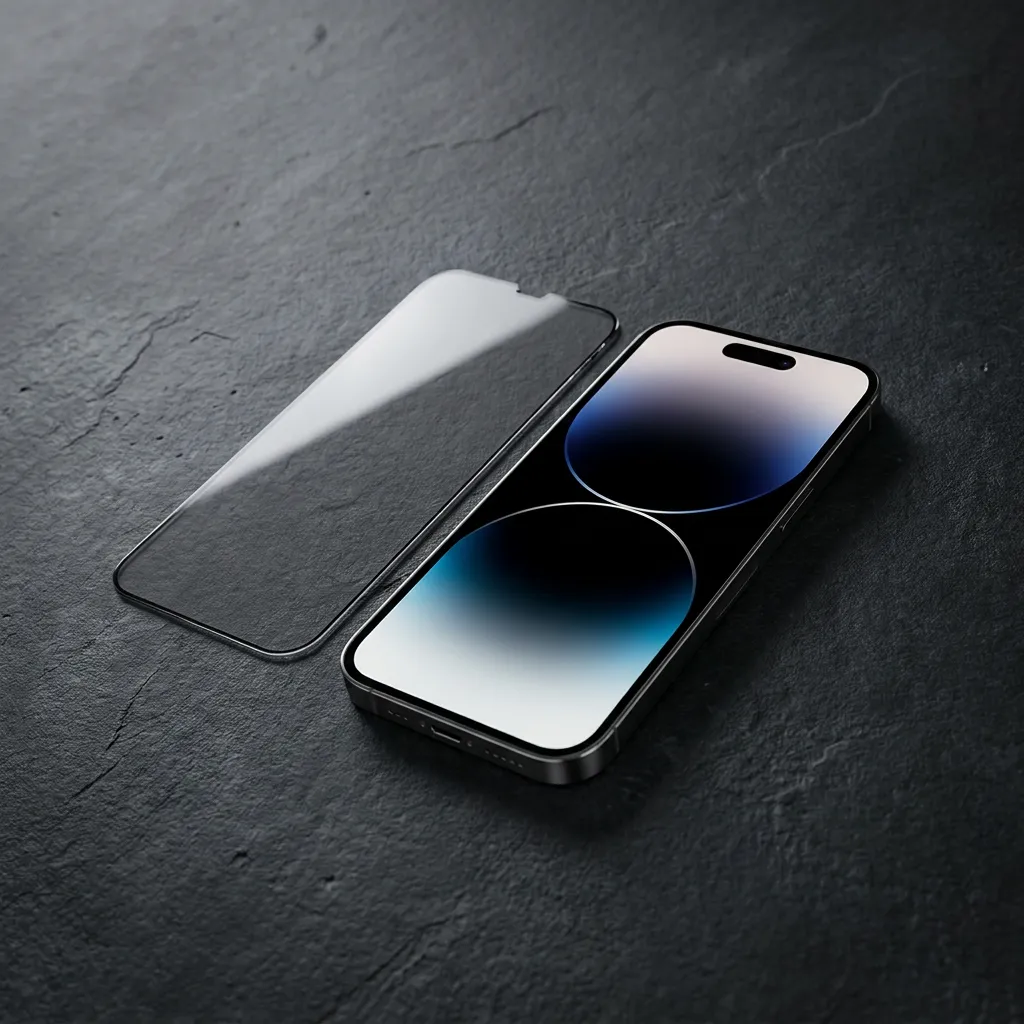
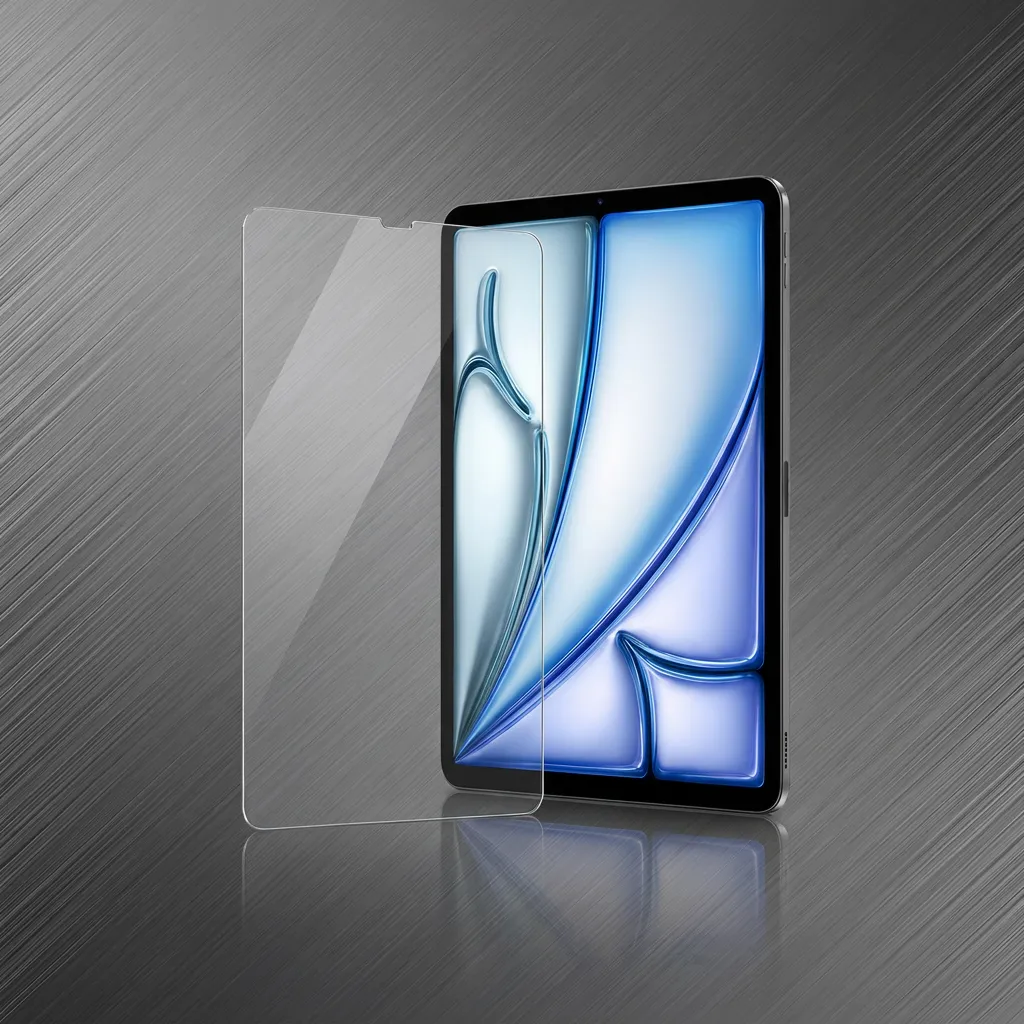
Choosing a tempered glass screen protector sounds simple, but once you start looking, there are many options: full coverage, case-friendly, HD glass, privacy film, anti-glare, AR screen protector, dust-free installation, and more.
For most users, the right screen protector is not just the one that looks the strongest. It should fit your phone properly, keep the display clear, feel smooth when you touch it, and make daily use easier.
Here are the main points to consider before choosing one.
The best screen protector depends on how you use your phone.
If you mostly use your phone indoors, a clear tempered glass protector may be enough. It keeps the screen protected while maintaining a clean display.
If you often use your phone outdoors or under strong lights, an AR or anti-glare screen protector may be more useful because it helps reduce reflections.
If you use your phone in public places, such as trains, offices, cafés, or classrooms, a privacy screen protector can help make your screen less visible from side angles.
If you often struggle with bubbles or dust during installation, a dust-free installation screen protector or easy-install kit may be a better choice.
A good screen protector should match your phone model correctly.
For example, an iPhone 15 screen protector may not fit an iPhone 16 or iPhone 17 model properly. Even small differences in screen size, edge shape, speaker area, or camera cutout can affect the final result.
Before buying, check:
A screen protector that fits well usually looks cleaner and feels more natural during use.
Full coverage screen protectors cover more of the front screen area. They can look cleaner and offer wider surface coverage.
Case-friendly screen protectors usually leave a small gap near the edge so that phone cases do not lift the protector.
If you use a thick phone case, case-friendly may be safer. If you use a slim case or no case, full coverage can look more seamless.
A screen protector should not make your phone look dull.
For daily use, clarity is very important. A good tempered glass protector should keep text sharp, colors natural, and images clean.
If you care about display quality, look for words like:
If you dislike the slightly hazy look of some matte films, choose a clear or AR screen protector instead.
Touch feel is one of the most important details.
A screen protector may look good, but if it feels sticky or slow, it will affect daily use. Swiping, scrolling, typing, and gaming should still feel smooth.
A smoother surface also makes the phone feel cleaner and easier to use throughout the day.
Many users dislike screen protectors because of dust, bubbles, or alignment problems.
If you want a cleaner installation, choose a product with:
A good installation process can make the final result look much better.
The right tempered glass screen protector should match your phone, your case, and your daily habits.
For basic protection, clear tempered glass is a practical choice. For less glare, AR screen protector is better. For public privacy, privacy screen protector is more suitable. For easier installation, a dust-free install system can save time and reduce mistakes.
LUSA DESIGN screen protectors are designed for daily phone users who want clear viewing, smooth touch, and reliable everyday screen protection.