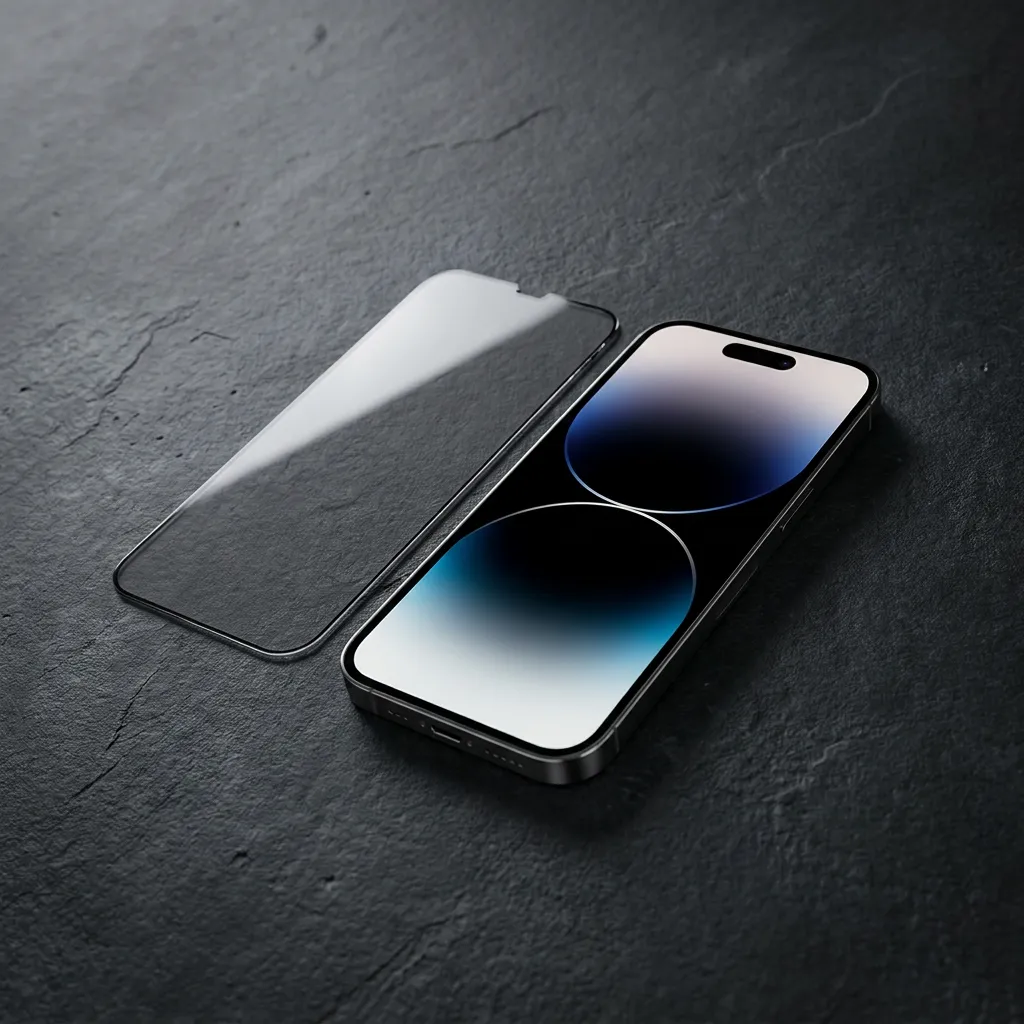
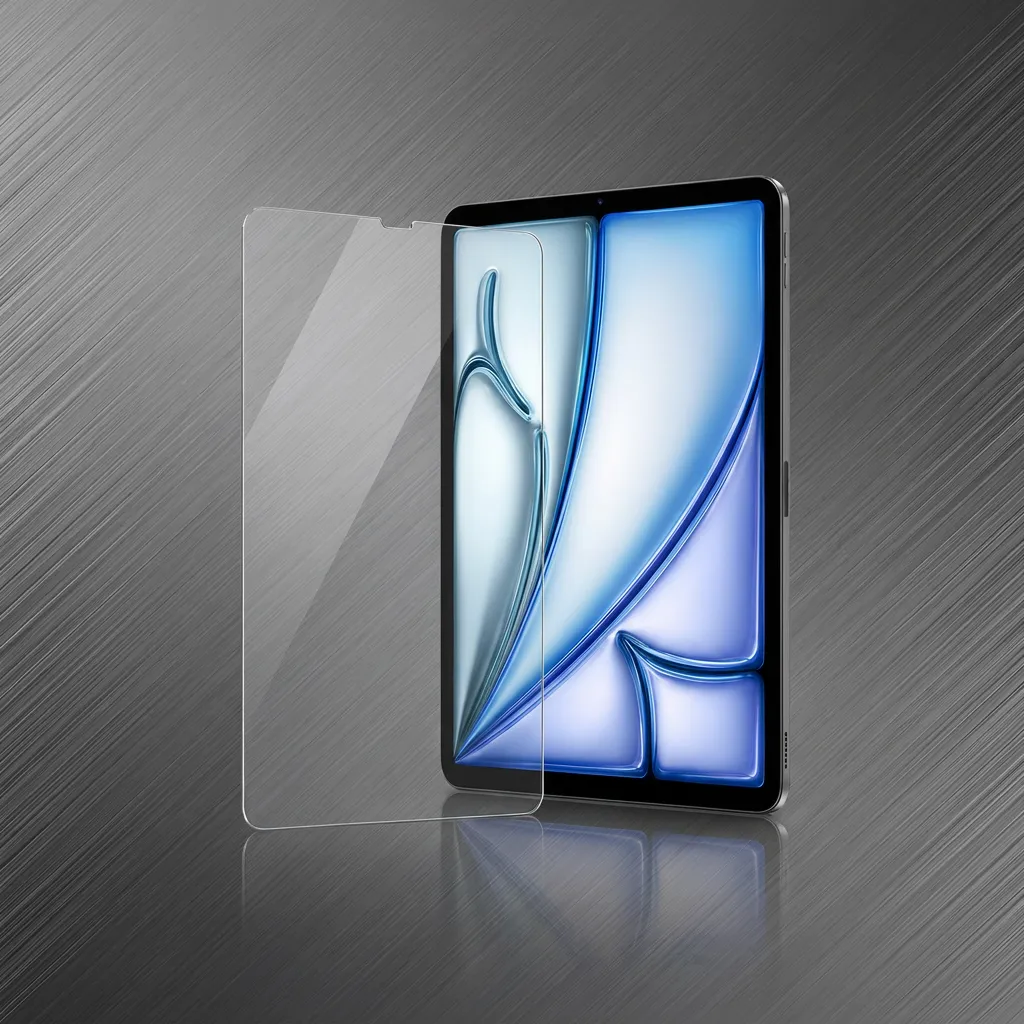
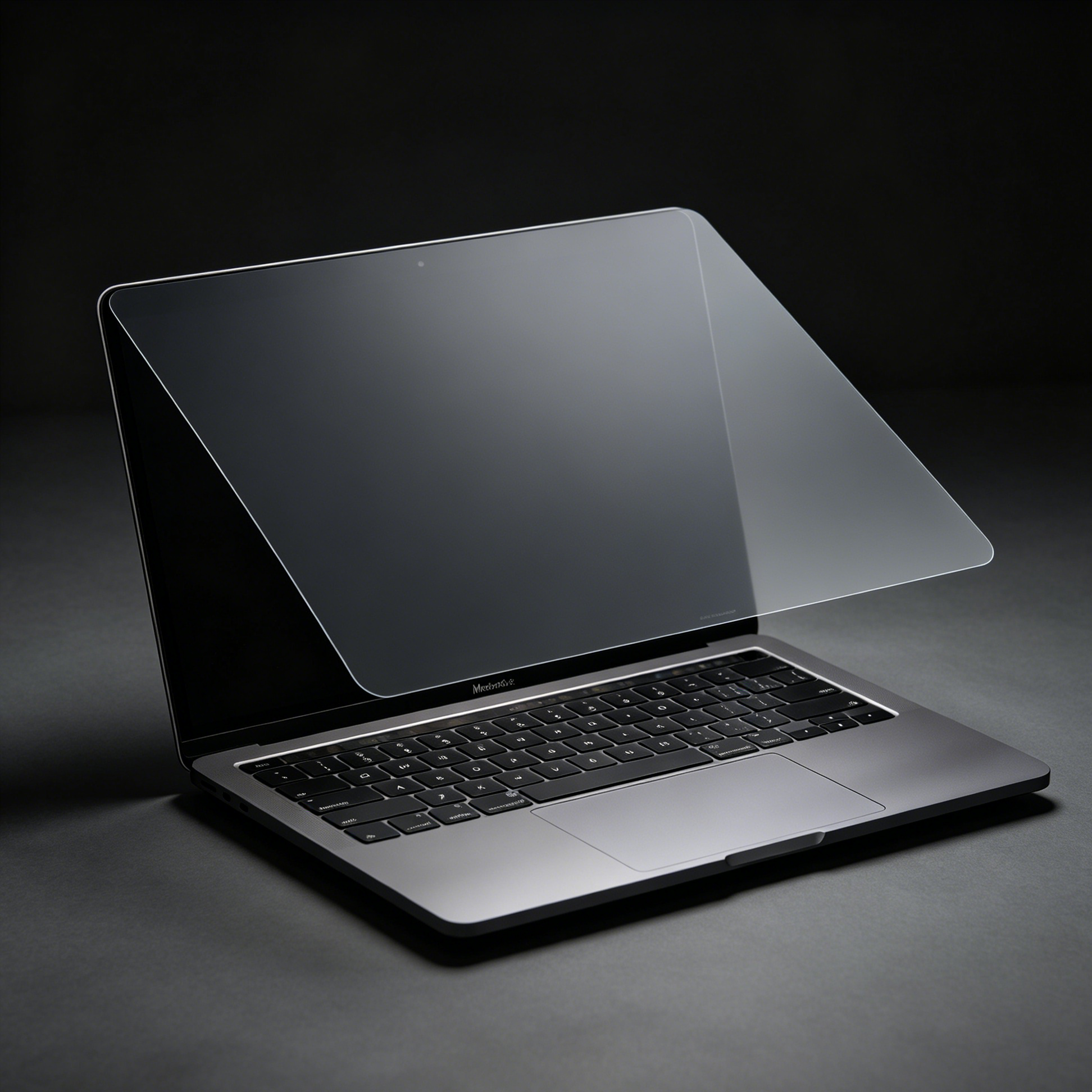
A screen protector may look simple, but its performance depends on several layers working together: the glass or film, surface coating, adhesive, phone display, device frame, and protective case.
Changes in heat, cold, and humidity can affect these materials differently.
This does not mean that normal seasonal weather will automatically damage a screen protector. Problems are more likely when the protector is poorly installed, already chipped, exposed to extreme conditions, or repeatedly moved between very different environments.
Understanding these effects can help prevent edge lifting, bubbles, shifting, cracking, and adhesive contamination.
Many screen protectors use a pressure-sensitive adhesive.
This type of adhesive forms contact with the screen when pressure is applied. Its performance depends on factors such as:
Adhesive products do not all have the same temperature or humidity resistance. Industrial adhesive manufacturers publish different performance limits for different adhesive systems. For example, 3M lists separate long-term temperature and humidity-resistance properties for specific pressure-sensitive adhesive products.
The specifications of an industrial mounting tape should not be treated as the specification of a phone protector. The relevant point is that adhesive behavior depends on its exact formulation.
Heat can make some pressure-sensitive adhesives softer and more mobile.
When the adhesive softens, the protector may become more vulnerable to:
A properly formulated protector should tolerate normal phone use. Risk increases when the phone is left in a parked vehicle, placed on a hot dashboard, exposed to prolonged direct sunlight, or used heavily while charging in a hot environment.
The phone frame, original display, tempered glass, adhesive, and case are made from different materials. They may not expand at exactly the same rate.
A small difference is usually manageable. Existing edge damage, incorrect sizing, or pressure from a tight case can turn that movement into lifting or cracking.
Apple states that iPhone and iPad devices are designed for use in ambient temperatures between 0°C and 35°C, or 32°F and 95°F, and storage between minus 20°C and 45°C, or minus 4°F and 113°F. Apple also warns that the temperature inside a parked vehicle can exceed the recommended storage range.
Google provides a similar 0°C to 35°C recommended operating range for current Pixel phones and advises keeping devices away from high heat and direct sunlight.
These ranges concern the device as a whole. They also provide a practical reason to avoid exposing an installed protector to extreme heat.
A parked vehicle can become much hotter than the outside air.
Possible effects include:
Move the phone to a cooler location and allow it to cool gradually. Do not put an overheated phone directly into a refrigerator or freezer.
Navigation, video recording, gaming, charging, and high screen brightness can generate internal heat. Direct sunlight adds external heat.
Google notes that demanding tasks and charging can increase phone temperature and advises keeping an overheated device out of direct sunlight.
Placing a cold phone beside a heater may create a rapid temperature change. This can increase material stress and encourage condensation.
Allow the device to warm gradually at room temperature.
Some adhesives become firmer and less conformable when cold.
This can make it harder for the adhesive to maintain close contact with:
A protector that was installed while very cold may not bond as evenly as one installed at a stable indoor temperature.
Cold does not automatically crack tempered glass. However, a protector with a chipped edge or internal stress may be less tolerant of additional bending or rapid temperature change.
The larger problem often occurs when a cold phone is brought into a warm, humid room.
Moisture from the air can condense on the device surface. If a protector is installed before the phone has warmed and dried completely, microscopic moisture can remain between the adhesive and display.
Google advises allowing a cold Pixel phone to warm gradually.
Do not immediately install a new protector.
Allow the phone and unopened protector package to reach room temperature. Wipe away visible moisture and wait until the screen is completely dry.
A cold device may temporarily show reduced battery or charging performance. Its case and protector may also feel unusually rigid.
Allow the device to return gradually to a normal temperature before removing the case or pressing on the protector.
Missed touch input in winter may be caused by gloves or cold fingers rather than the protector. Test the screen with clean, dry hands before blaming the adhesive or glass.
Humidity has different effects before and after installation.
High humidity can increase the risk of:
The screen must be completely clean and dry before the adhesive touches it.
A fully bonded protector may tolerate ordinary environmental humidity, depending on its construction.
Problems are more likely when:
Once moisture enters beneath an edge, it may create a visible mark, weaken local adhesion, or trap contamination.
Some pressure-sensitive adhesives are specifically engineered and tested for humidity resistance, while others have different limits. 3M’s published product data demonstrates that humidity performance is a defined material property that varies by adhesive design.
Do not assume that every protector has the same moisture resistance.
A bathroom after a hot shower may contain fewer airborne dust particles, but it also has high humidity and possible condensation.
Installing in this environment creates trade-offs.
A better installation area is:
Turn off nearby fans temporarily, clean the work surface, and allow dust to settle.
Summer edge lifting may be caused by several factors acting together:
Remove the case and inspect the edge.
Do not repeatedly push a contaminated edge back down. Dirt and oil trapped beneath it will prevent a clean bond.
A bubble that appears later may be caused by:
Temperature changes may reveal an installation weakness that was already present.
A small air bubble without dust may sometimes be pressed toward the nearest edge. A bubble caused by contamination or failed adhesive usually requires replacement.
Install the protector in a stable, comfortable indoor environment.
The exact recommended installation temperature depends on the product, but practical conditions include:
Do not install the protector immediately after receiving a package that has been sitting in freezing or very hot delivery conditions. Let the package acclimate indoors before opening it.
Do not use ice, refrigerated air, cold water, or a freezer to cool the device rapidly.
Apple notes that an iPhone or iPad may temporarily stop charging when the device is too hot or too cold.
Both hot and cold parked vehicles can expose the phone to conditions outside the manufacturer’s recommended range.
The case should not press on the protector as materials expand or contract.
Remove the case occasionally and clean dry dust from the border.
Allow the phone to cool after gaming, navigation, video recording, or charging.
Wait for the phone and protector to reach room temperature.
Do not apply the protector over condensation or cleaning-liquid residue.
Adhesive type, glass thickness, edge design, and installation method vary between products.
Replace the protector when you notice:
Once the adhesive is contaminated with dust, oil, or moisture, pressing it down usually produces only a temporary improvement.
Tempered glass itself will not melt at normal vehicle temperatures. The adhesive, surface coating, plastic film, or installation components may soften or change before the glass does.
Cold can reduce the flexibility or initial tack of some adhesives, particularly when the protector was installed in cold conditions or already had weak edges.
Humidity can contribute when condensation or moisture is trapped during installation. Bubbles can also be caused by air, dust, uneven pressure, or failed adhesive.
A clean edge that has only just lifted may sometimes rebond with gentle pressure. An edge containing dust, oil, or moisture should normally be replaced.
Allow the phone and protector package to reach a stable indoor temperature first, especially after delivery in very hot or cold weather.
A compatible protector should tolerate normal daily phone use. Repeated overheating, direct sunlight, hot vehicles, poor case fit, and existing damage increase the chance of problems.
Temperature and humidity do not affect every screen protector in the same way.
The adhesive chemistry, installation quality, case fit, device temperature, edge condition, and environmental exposure all matter. Most problems can be reduced by installing at a stable indoor temperature, keeping the screen completely dry, avoiding extreme heat and cold, and using a protector designed for the exact device.
Explore LUSA DESIGN device-specific screen protectors and privacy solutions for phones, tablets, laptops, watches, camera lenses, and other displays.