Privacy Screen Protector: Benefits, Trade-Offs and Uses
By LUSADESIGNJuly 23rd, 2026322 views
Privacy Screen Protectors: How They Work, Their Trade-Offs, and Who They Suit
A passcode, fingerprint sensor, or facial recognition system protects a phone while it is locked. Once the screen is open, however, nearby people may still be able to read messages, payment details, work documents, or other personal information.
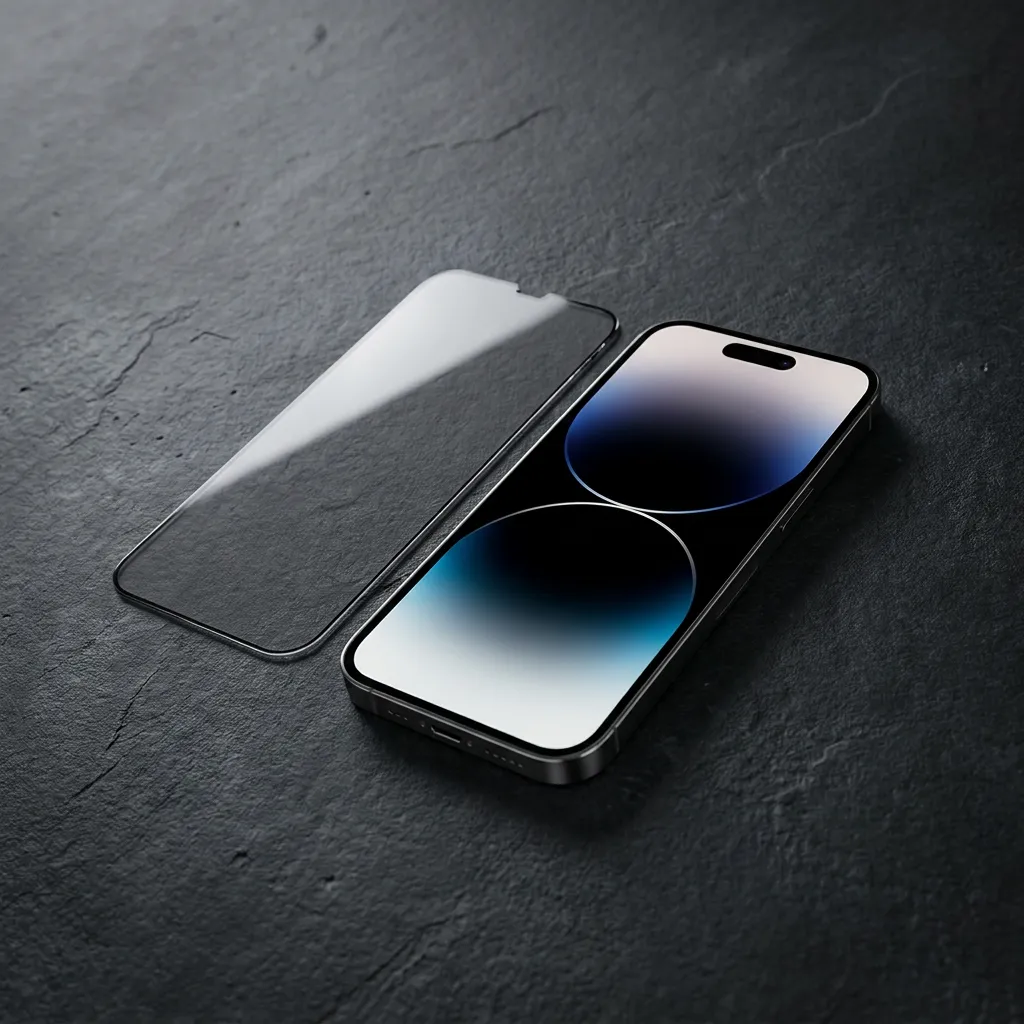
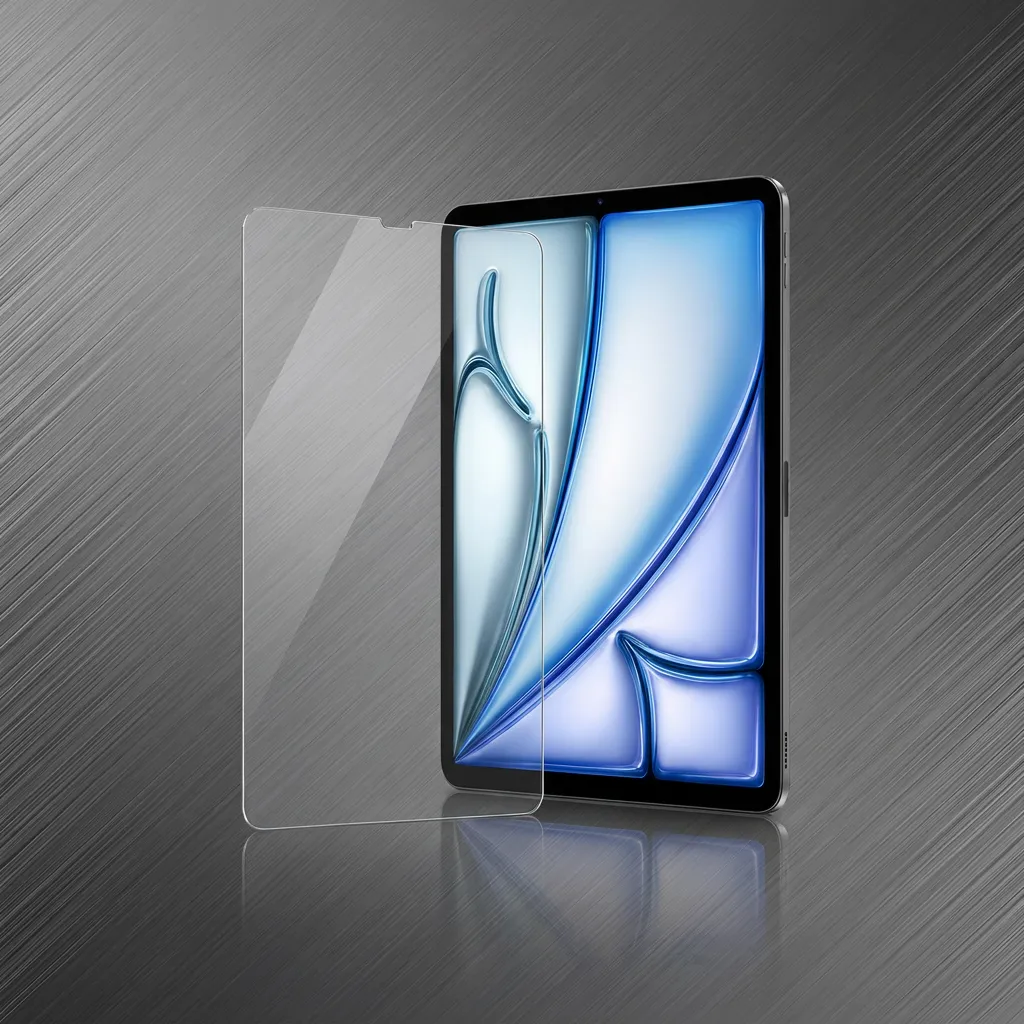
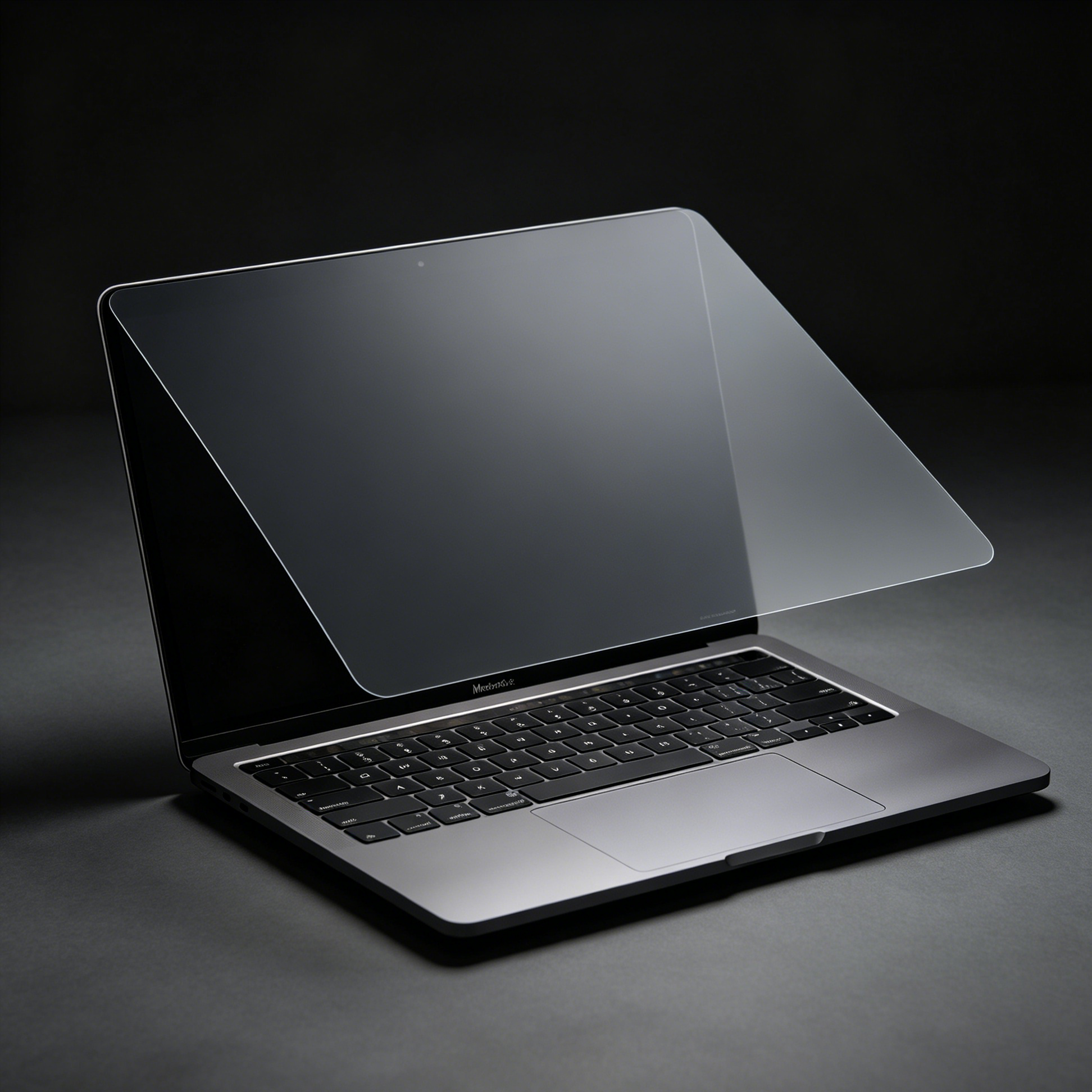
A privacy screen protector is designed to reduce this kind of side-angle visibility. It combines a viewing-angle filter with a physical protective layer, allowing the user to see the display from the front while making the screen more difficult to read from the sides.
Its usefulness depends on how and where the phone is used. Privacy filters can improve discretion in shared environments, but they also narrow the viewing angle and may reduce apparent brightness. Understanding that trade-off is essential before choosing one.
How a Privacy Screen Protector Works
A privacy screen protector contains a fine optical filter that controls the direction in which light leaves the display.
When the phone is viewed from directly in front, the screen remains visible. As the viewing position moves farther to the left or right, the displayed content gradually darkens and becomes more difficult to distinguish.
Some products use a two-way privacy filter that limits visibility primarily from the sides. Others use a four-way filter intended to reduce visibility from the left, right, above, and below.
The effectiveness of the filter depends on several factors, including:
Viewing angle
Screen brightness
Ambient lighting
Display technology
Filter density
Installation accuracy
A privacy screen protector does not make the display completely invisible from every side angle. Its purpose is to reduce readability outside the intended viewing position.
Where Screen Privacy Matters
Side-angle visibility is most relevant in places where people sit or stand close together.
Typical situations include:
Public transport
Airports and airplanes
Shared offices
Meeting rooms
Cafés and restaurants
Libraries and classrooms
Checkout lines
Elevators and waiting areas
In these settings, information can be exposed without the phone being stolen or accessed directly. A person nearby may only need a clear line of sight to the screen.
Commonly exposed content includes messages, verification codes, payment confirmations, account balances, work emails, calendar information, and personal photographs.
A privacy screen protector cannot replace secure software practices, but it can reduce casual observation of an unlocked display.
Privacy Screen Protector Benefits
Reduced side visibility
The main benefit is a narrower readable viewing area. People positioned beside the user see less detail than they would through a standard clear protector.
This can be useful when reading messages, entering passwords, reviewing work information, or using mobile payment services in public.
Physical screen protection
Most privacy screen protectors are made from tempered glass or layered film. They can help protect the original display from everyday scratches, surface wear, and some minor impacts.
The level of protection varies by product thickness, material quality, edge construction, and installation.
Continuous operation
A physical privacy filter does not require a software setting to be activated. Once installed, the viewing-angle effect remains present whenever the screen is used.
Compatibility with existing phones
A privacy protector can add a degree of side-angle protection without requiring a device that includes a built-in privacy display feature.
It also protects the screen surface, which software-based privacy modes do not.
The Main Trade-Offs
Narrower viewing angle
The same filter that limits side visibility also makes the display less convenient to share.
Photos, videos, maps, and documents may need to be shown directly to another person rather than viewed from an angle.
Reduced apparent brightness
Privacy filters absorb or redirect part of the light produced by the display. As a result, the screen may appear slightly darker than it would with a standard clear protector.
Some users compensate by increasing screen brightness, which may affect battery consumption during extended use.
Possible changes in clarity
A well-made privacy protector should preserve usable front-facing clarity, but some reduction in brightness, contrast, or color intensity may still be noticeable.
Lower-quality products may also introduce haze, rainbow patterns, uneven darkening, or visible grid effects.
Less suitable for shared viewing
Privacy protectors are designed for individual use. They are less practical for people who frequently watch videos with others, show presentations from a phone, or use the device from several angles.
Privacy Screen Protector vs Standard Tempered Glass
Standard tempered glass is designed to preserve brightness, clarity, and wide viewing angles. It is usually the better option when privacy is not a priority.
A privacy protector adds viewing-angle control but introduces a narrower usable viewing area.
A standard clear protector may be more suitable when:
Maximum display brightness is important
The screen is frequently shared with other people
The phone is mainly used at home
Video viewing and color accuracy are priorities
Side-angle privacy is unnecessary
A privacy protector may be more suitable when:
The phone is regularly used on public transport
Sensitive messages are viewed in shared spaces
Mobile banking or payment apps are used in public
Work-related information is handled on the phone
The user prefers a more restricted viewing angle
Privacy Screen Protector vs AR Screen Protector
Privacy and anti-reflective screen protectors address different problems.
A privacy protector reduces visibility from off-center angles. An AR screen protector is designed to reduce distracting reflections from lamps, windows, and other light sources.
An AR protector is generally better suited to users who prioritize:
Display clarity
Lower visible glare
Comfortable viewing under office lighting
Wide viewing angles
Video and image quality
A privacy protector is generally better suited to users who prioritize:
Reduced side visibility
Personal information protection in public
Individual viewing
Commuting and shared-workspace use
Neither option is universally better. The appropriate choice depends on the primary use of the device.
How to Evaluate a Privacy Screen Protector
A useful test should keep the main conditions consistent.
The phone should display the same content at the same brightness, under the same lighting, while only the viewing angle changes.
A basic evaluation can be performed as follows:
Set the phone to a fixed brightness.
Open a page containing both text and images.
View the screen directly from the front.
Move slowly toward the left side.
Repeat the test from the right side.
Test from above and below if the product uses a four-way filter.
Return to the front and check clarity and touch response.
A balanced product should reduce off-angle readability without making the front view excessively dark or blurred.
The protector should also be checked for:
Accurate alignment
Full adhesive contact
Clean edge fit
Case compatibility
Reliable touch response
Unobstructed front sensors
Consistent darkening across the display
Who Is Most Likely to Benefit
Privacy screen protectors are most relevant for people who regularly use their phones in shared or public environments.
This includes:
Commuters
Office workers
Business travelers
Students
Healthcare professionals
Financial-services staff
Remote workers
Frequent mobile-payment users
They may be less suitable for users who mainly watch films, edit photographs, play games with others, or frequently share the screen from different angles.
Frequently Asked Questions
Will a privacy screen protector affect Face ID?
A protector made for the correct phone model should be designed around the front-facing sensors and camera system. Poor alignment or an incompatible product may interfere with recognition performance.
Does it make the screen completely invisible from the side?
No. Visibility depends on the viewing angle, screen brightness, ambient light, and filter design. The screen should become harder to read from the sides, but complete invisibility should not be assumed.
Does it affect touch sensitivity?
A properly installed protector should maintain normal scrolling, typing, and gesture response. Excessive thickness, weak adhesive contact, dust, or installation errors can affect performance.
Can it be used with a phone case?
Many privacy protectors are designed with a small edge allowance to reduce contact with the case. Compatibility still depends on the dimensions and shape of both the protector and the case.
Does it prevent the phone screen from breaking?
No screen protector can guarantee that a display will not crack. A tempered-glass protector can help absorb surface wear and some impact, but the outcome of a drop depends on the height, angle, surface, phone case, and point of contact.
Is a Privacy Screen Protector Worth It?
A privacy screen protector is a practical option for users who frequently handle personal or work-related information around other people.
Its main advantage is reduced side-angle visibility. Its main disadvantages are a narrower viewing angle and some loss of apparent brightness.
For users who value privacy during commuting, travel, work, or mobile payments, the compromise may be reasonable. For users who prioritize maximum brightness, wide-angle viewing, and media quality, a clear or AR protector may be a better fit.
The decision should be based on how the phone is actually used, rather than on privacy claims alone.
Protect the Screen You Use Every Day
LUSA DESIGN privacy screen protectors are developed for clear front-facing use, reduced side visibility, responsive touch operation, and everyday screen protection.
Choose the model designed for your device and review the product specifications before installation.