Mobile photographers use the iPhone display as a viewfinder, exposure reference, focus check, editing surface, and client preview. A screen protector should guard that working surface without making every bright location feel like a mirror or adding avoidable haze around the front camera.
When a preview looks washed out outdoors, the cause may be light reflecting from the screen rather than the photo file itself. Before changing exposure, move into shade, turn your body to block the strongest light, and look straight at the display. This helps separate an environmental viewing problem from an actual camera setting.
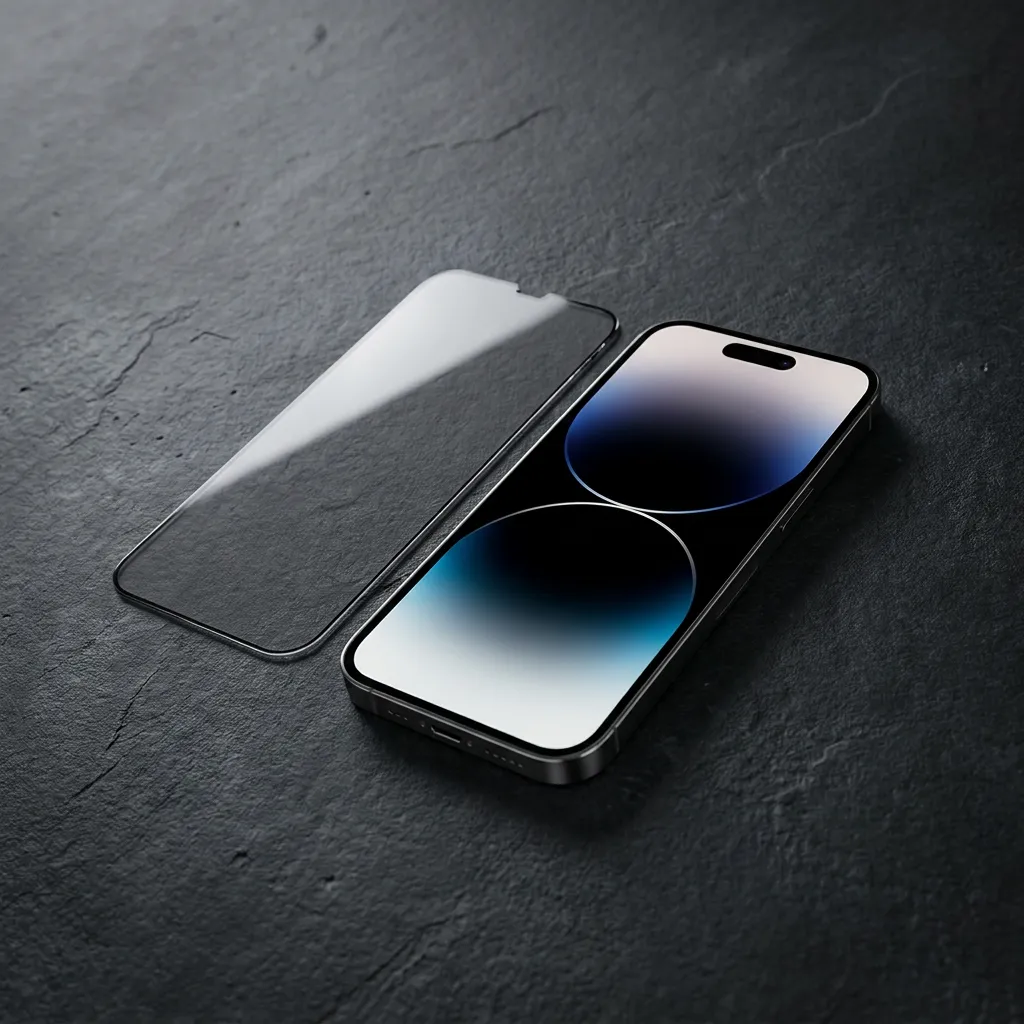
The LUSA DESIGN HD Anti-Reflective Screen Protector is designed to reduce distracting reflections while preserving a normal front and side viewing experience. The listing describes model-specific tempered glass, touch sensitivity, and a dust-free tray. That combination suits photographers who frequently check framing or show images to another person standing nearby.

No protector can remove every reflection, and the phone display is not a substitute for a calibrated editing monitor. AR glass can make outdoor previews easier to read, while final color and exposure decisions still deserve a controlled environment.
A privacy screen protector is designed to limit off-angle viewing. That can be useful when editing unreleased client images in public, but it also means a collaborator beside you may not see the same preview. If shared viewing is central to the workflow, standard AR glass may be the more natural choice. If confidentiality matters more, test the privacy angle before a job.
Oil, dust, and cleaner residue near the Dynamic Island or notch can reduce selfie clarity or create flare around bright points. Use a clean microfiber cloth and avoid waxy household cleaners. Inspect the protector under side light so smears are visible before a video call, portrait session, or night scene.
Run the same set before and after installation. Use the same room, brightness setting, and viewing angle. A consistent test is more useful than comparing from memory.
Tap-to-focus, exposure adjustment, masking, and fine slider movements all depend on predictable touch. After installation, test the corners and edges as well as the center. If a case presses on the protector or a bubble crosses an active area, correct the fit before relying on the phone during a shoot.
For photographers, the screen protector is part of the viewing chain. Match its optical purpose to the way images are captured, reviewed, and shared.