What Types of Smartphone Screen Protectors Are Available? A Complete Guide

By kimi March 1st, 2026 227 views

However, walk into any electronics store or browse the web, and you'll see a dazzling array of screen protectors: tempered glass, hydrogel, privacy, matte, and more. What are the differences between them? Which one is best for your needs? This blog post will detail the most popular types of smartphone screen protectors, their features, advantages and disadvantages, and ideal usage scenarios—helping you make an informed choice.
Part 1: Material—The Core of Basic Protection

The material of a screen protector directly determines its protective performance, feel, and compatibility with your phone. Here are the three most common materials on the market:

1. Tempered Glass Screen Protectors

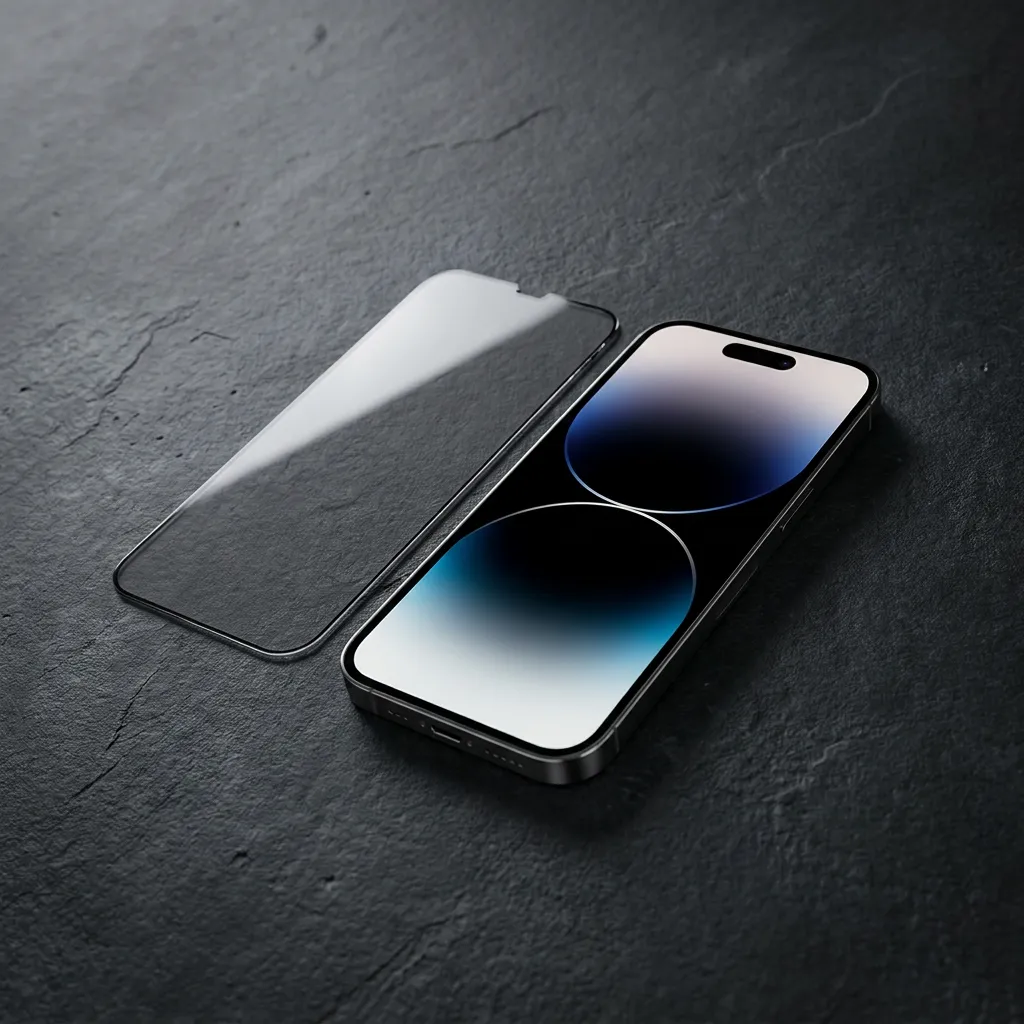
Tempered glass screen protectors are the most popular and feature-rich choice for smartphone users. They are made of chemically strengthened glass and typically have a multi-layered structure (including an oleophobic coating and an explosion-proof layer) to balance protection and user experience.

- Key Advantages: High hardness (typically 9H), scratch-resistant, excellent light transmittance (up to 98-99%), near-original screen feel, easy to install.

- Key Features: 9H hardness resists everyday scratches from keys, sand, and other sharp objects. When the phone is dropped, the screen protector breaks first, absorbing the impact and protecting the original screen. The oleophobic coating effectively reduces fingerprints and oil residue, keeping the screen clean.

- Suitable for: Most smartphone users, especially those who value both screen protection and display performance.

- Precautions: This type of product is best suited for flat-screen phones. For curved-screen phones, it is recommended to choose a fully laminated or heat-bent tempered glass screen protector to avoid edge lifting.

2. Hydrogel Screen Protector (TPU Soft Film)

Hydrogel screen protectors are made of flexible polymer materials, making them soft and highly elastic, thus a popular choice for curved and foldable screen phones.

- Key Advantages: Perfect fit to curved screens, no white borders, ultra-thin and invisible, supports self-healing for minor scratches, does not affect in-display fingerprint recognition.

- Key Features: Extremely thin (typically 0.1 mm or less), almost imperceptible during use. Edges are less prone to lifting, full-screen coverage enhances the phone's appearance. Good toughness, can cushion minor impacts.

- Suitable for: Curved/foldable screen phone users, and users who value a perfect fit and ultra-thin feel.

- Precautions: Scratch resistance is not as good as tempered glass screen protectors. More suitable for scratch protection than drop protection.

3. PET High-Definition Plastic Film

PET film is the most basic entry-level screen protector, very common in the early days of smartphones. It is inexpensive, thin, and easy to replace.

- Key Advantages: Affordable, thin and transparent, does not affect touch sensitivity.

- Key Disadvantages: Only protects against minor scratches, not shatterproof. Prone to fingerprints, durability is average – typically needs replacement every 1-3 months.

- Suitable for: Users needing a temporary solution, users with limited budgets, or users who frequently change phones.

Part Two: By Function – Meeting Different Usage Scenarios

In addition to basic protection, many screen protectors offer specific functions to meet the needs of different users. Here are some of the most common types:


1. Privacy Screen Protector

Privacy screen protectors add an optical privacy layer to the substrate, limiting the viewing angle and protecting your personal information from prying eyes in public places.

- Key Advantages: Clear front display, blacked-out sides (usually 28-35 degrees on each side), effectively preventing others from seeing your screen content.

- Key Features: Most privacy screen protectors are made of tempered glass, therefore also providing basic scratch and drop protection. They are especially suitable for use in subways, buses, offices, and other public places.

- Suitable for: Commuters, business professionals, and anyone who values ​​information privacy.

- Note: Privacy screen protectors may slightly reduce screen brightness; therefore, it is recommended to use with a high-brightness screen or adjust the screen brightness appropriately.

Camera Lens Protectors: A Complete Guide to Safeguarding Your Gear and Preserving Image Quality
Previous
Camera Lens Protectors: A Complete Guide to Safeguarding Your Gear and Preserving Image Quality
Read More
Flexible PET Privacy Film: What to Expect During the First 24 Hours
Next
Flexible PET Privacy Film: What to Expect During the First 24 Hours
Read More