If you've ever tilted your phone to dodge a reflection, cranked brightness to 100% in a coffee shop, or squinted at your screen under the midday sun — you already know the problem. What most people don't know is that the "solution" they reach for often makes their display worse.
Let's talk about glare, the two ways to fight it, and why only one of them keeps your screen looking the way it was meant to.
Modern displays are stunning — until ambient light gets in the way. Overhead office lighting, a bright window, sunlight through a windshield: each turns a beautiful screen into a mirror.
When your screen reflects light, your eyes are forced to constantly adjust between the reflection and the content underneath. That's not just annoying — it's the leading cause of digital eye strain during long sessions. You compensate by raising brightness, which drains your battery and tires your eyes even faster.
The frustrating part? A standard screen protector usually makes this worse. Most add another reflective layer on top of your glass, with transmittance around 90% and noticeable surface reflection. You paid to protect your screen — and quietly downgraded how it looks.
There are two real ways to fix this. They are not the same.
A matte protector uses a textured, roughened surface that scatters incoming light in every direction. Reflections become diffuse instead of sharp, so glare feels softer.
It works — but there's a cost. Because the same texture also scatters the light coming from your display, you get:
For casual browsing, that trade-off can be fine. For anyone whose work depends on what's on screen — it's a dealbreaker.
AR stands for Anti-Reflective. Instead of roughening the surface, an optical AR film applies precision nano-coatings that reduce reflection at the optical level — canceling out reflected light waves rather than scattering everything.
The result is the difference that matters:
In plain terms: matte makes glare less sharp by making everything less sharp. Optical AR removes the glare and leaves your display exactly as it should be.
|
What matters to you |
Matte / Anti-Glare |
Optical AR Coating |
|
Glare reduction |
Good (diffused) |
Excellent (canceled) |
|
Display sharpness |
Reduced, grainy |
Preserved, crisp |
|
Color accuracy |
Washed out / greyish |
True to original |
|
Light transmittance |
Lower (haze) |
High (95%+) |
|
Outdoor readability |
Fair |
Strong |
|
Best for |
Rough note-taking, low-stakes viewing |
Color-critical, detail-critical, all-day use |
You don't need to be a professional photographer to feel the difference — but if any of these sound like you, AR isn't a luxury, it's a fix:
If your screen is a tool you rely on, it should stay clear in every environment. That's exactly what optical AR is built for.
Optical AR is only as good as the factory behind it — and this is where we don't cut corners.
We're not just selling a protector. We're protecting the way your screen was designed to look.
Glare is a solvable problem — but how you solve it decides whether your screen stays beautiful or turns hazy.
Matte hides reflections by blurring everything. Optical AR removes reflections and leaves your display untouched. For anyone who cares about clarity, color, and comfort through a full day of use, the choice is clear.
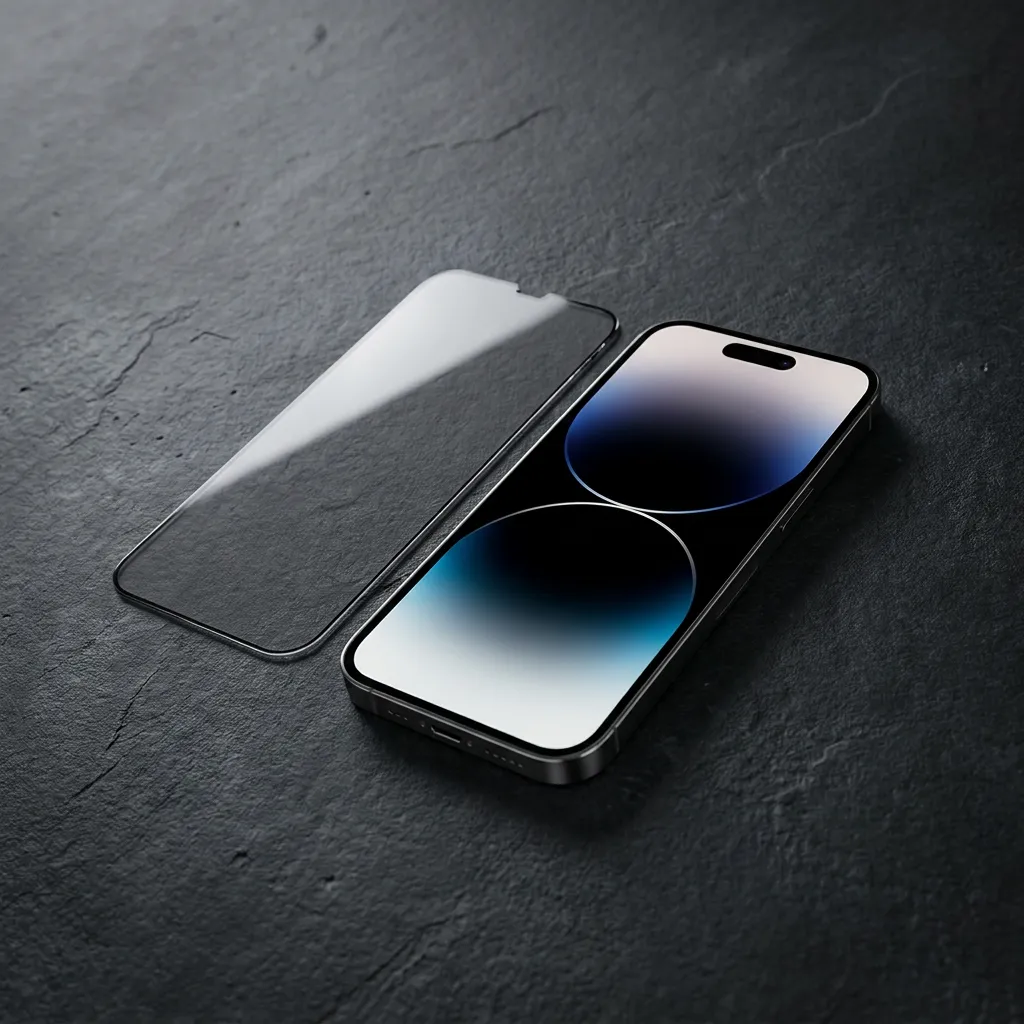
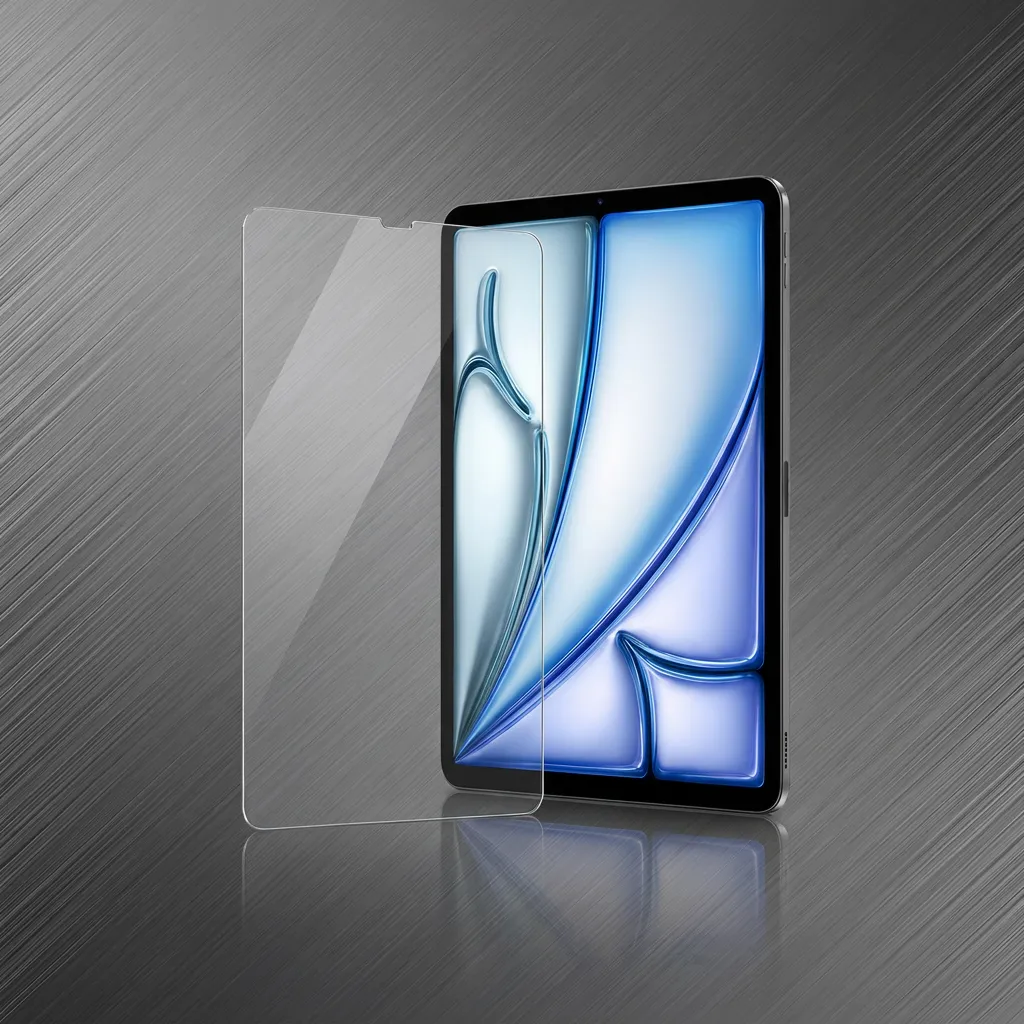
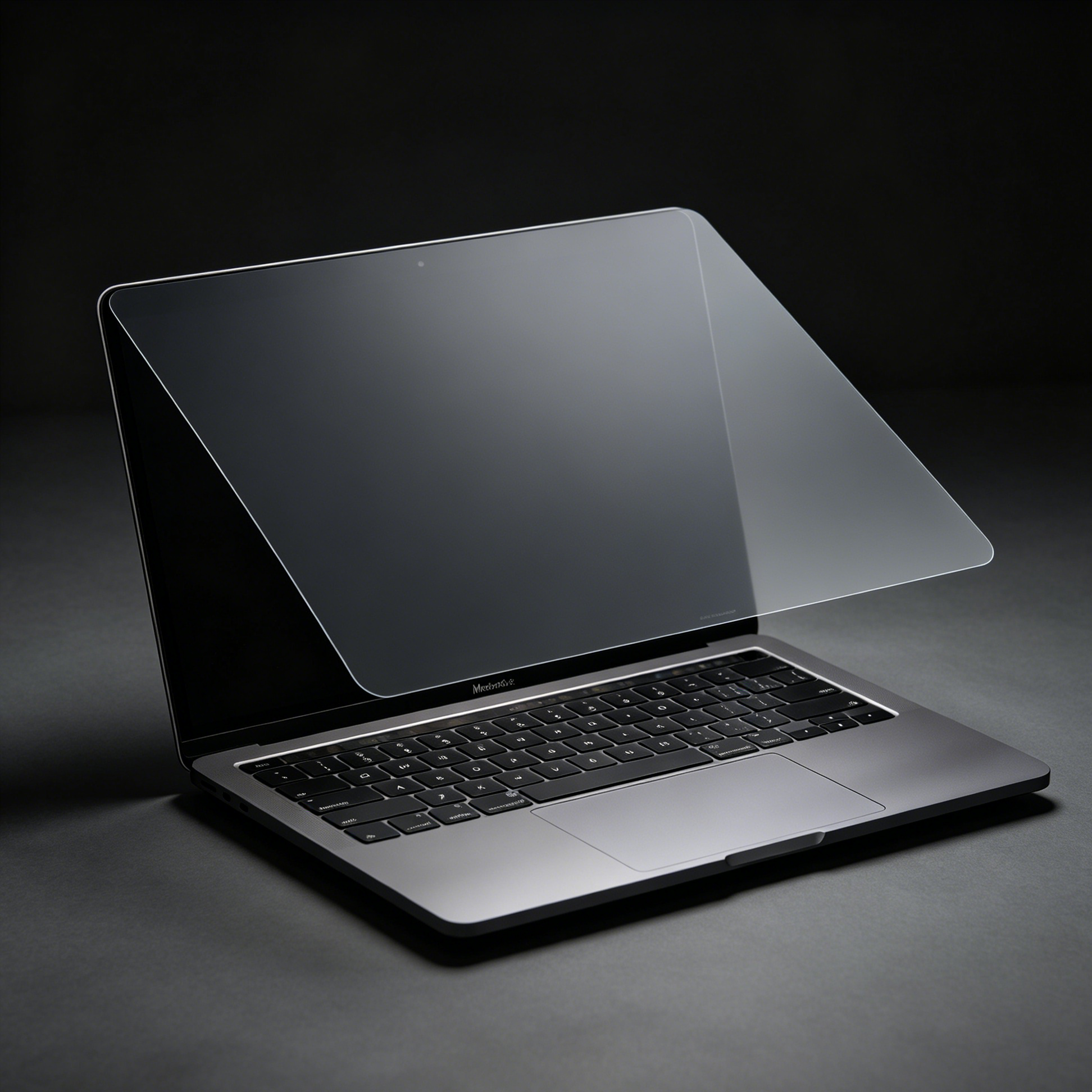
Ready to see your screen the way it was meant to look? Explore LUSA DESIGN optical AR screen protectors for your iPhone, iPad, or MacBook — and stop fighting the light.
Not sure which model fits your device? Our team offers one-on-one fit support — just reach out.